
Last updated October 30, 2026
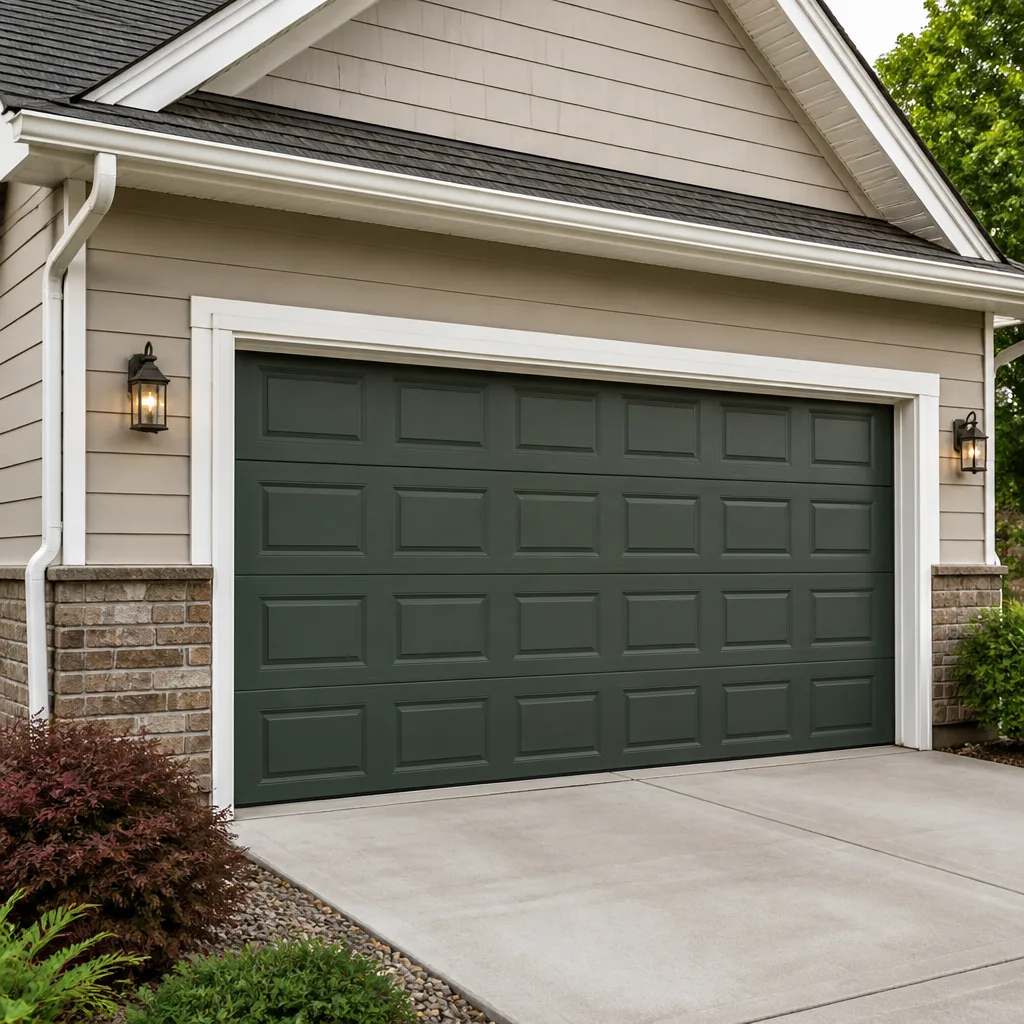 Raised-panel steel
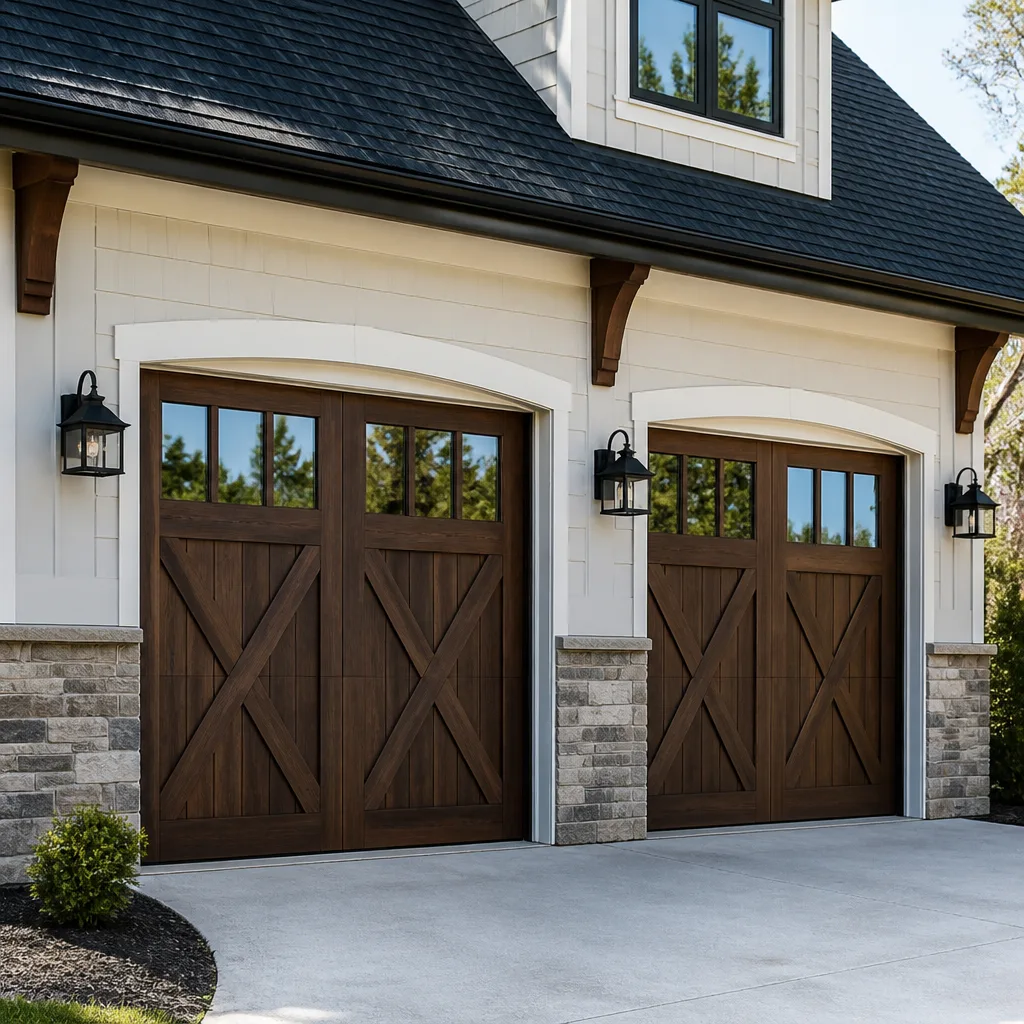 Carriage house
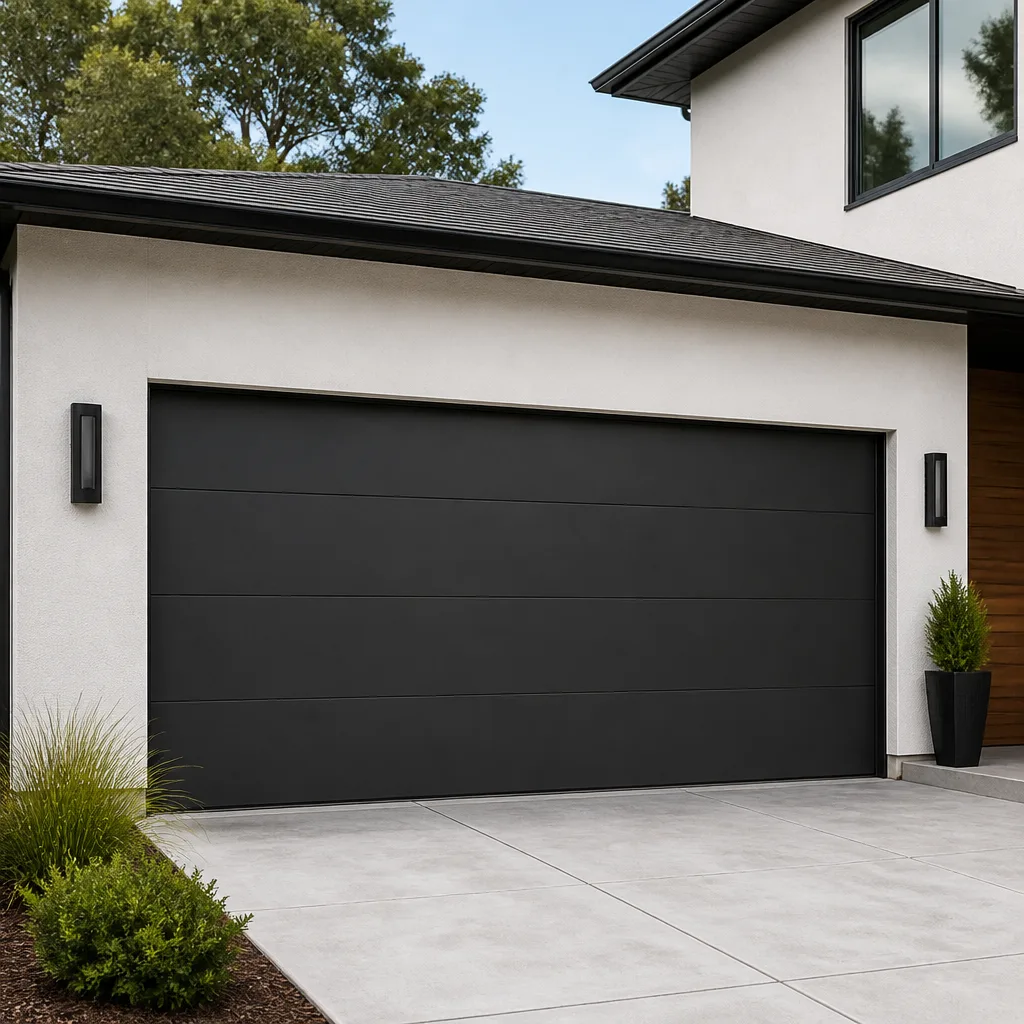 Modern flush
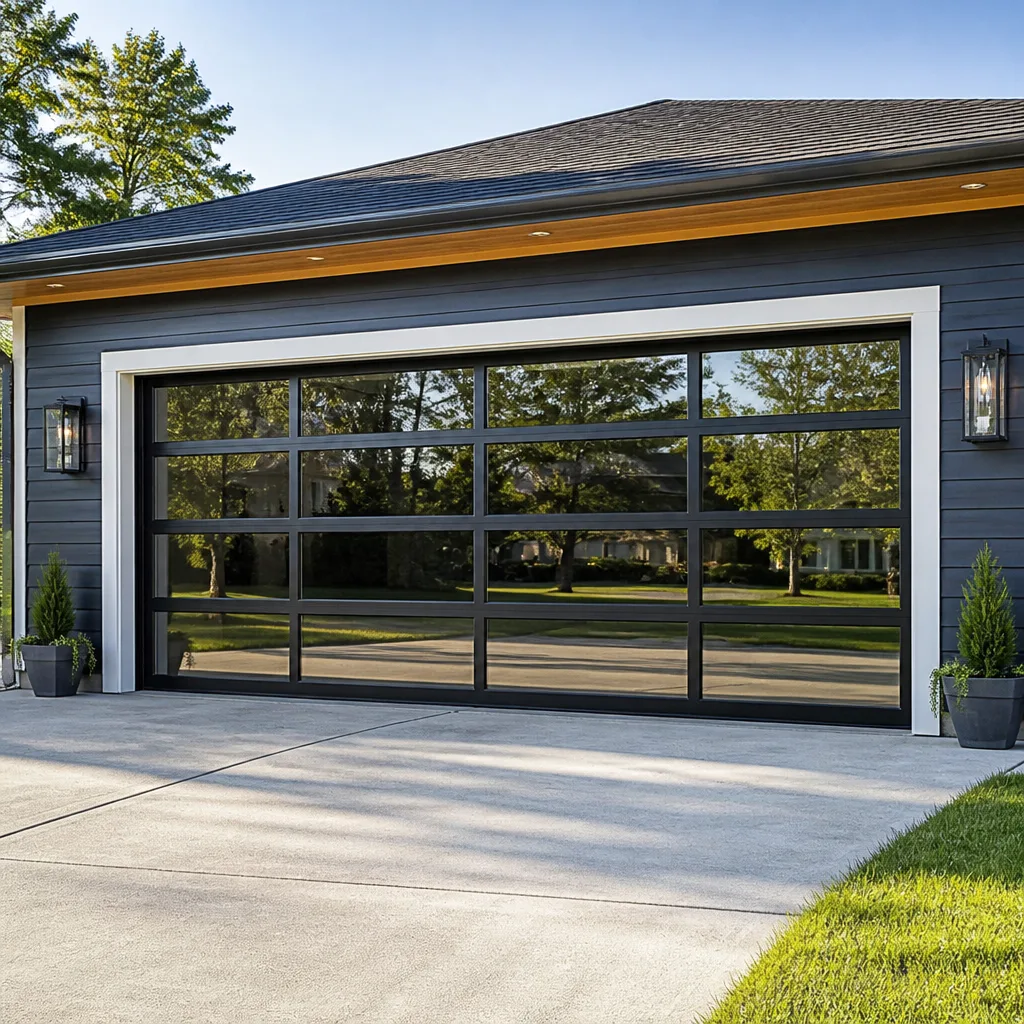 Full-view glass
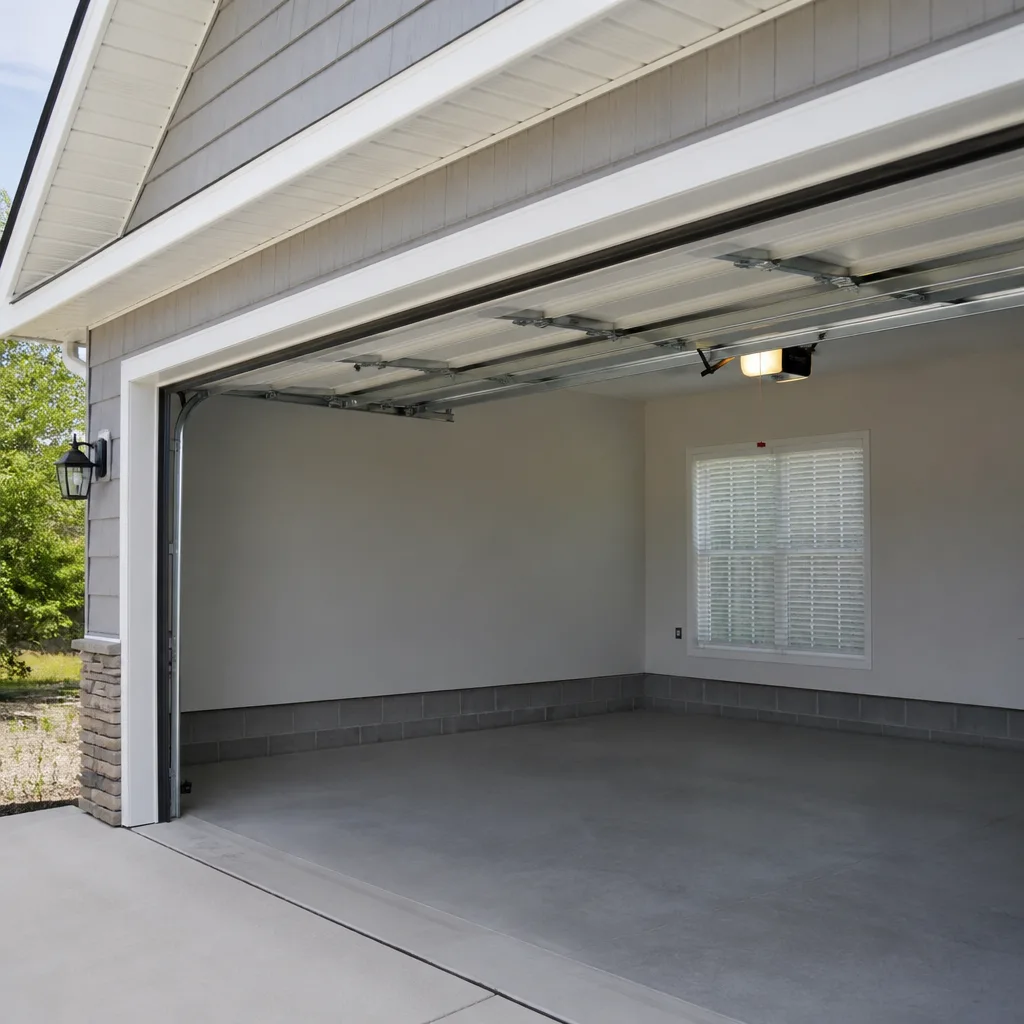 LiftMaster openers
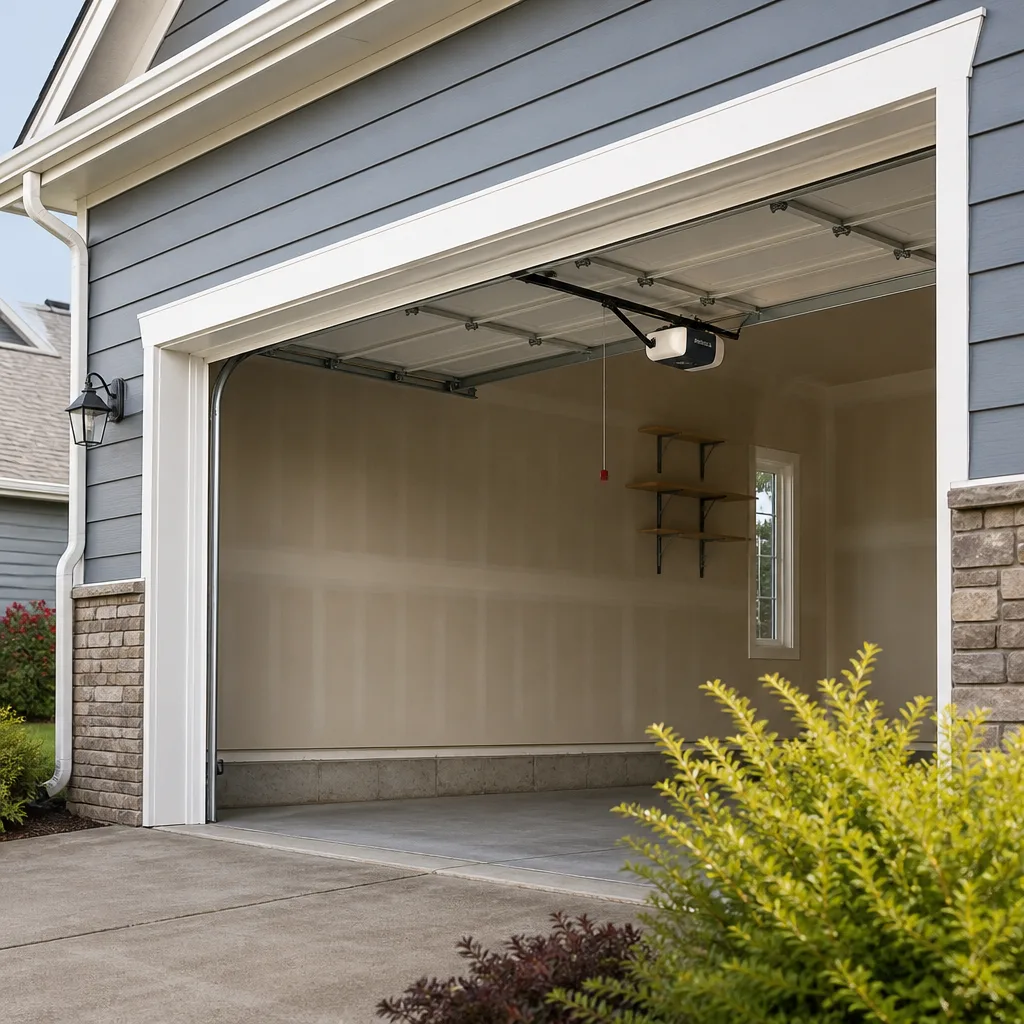 Chamberlain openers
Full 25-point door and opener safety check with every visit - springs, cables, rollers, tracks, and your LiftMaster or Chamberlain opener included
You get a price before we start. It does not change when the truck arrives.
Get your free estimateThe Complete Garage Door Repair Guide for Lakeland Homeowners
Every garage door guide on the internet assumes your door lives in a dry, mild place. Lakeland averages over 53 inches of rain a year, and summer humidity that regularly sits above 80 percent. That moisture works its way into springs, cables, hinges, and rollers in ways a Phoenix homeowner will never deal with. The Complete Guide to Garage Door in Lakeland explains what actually fails on garage doors here, when it fails, what you can safely handle yourself, and what needs a trained hand. You’ll learn the seasonal patterns we see across Polk County, how Florida’s building code affects your repair options, and how to diagnose problems before they strand your car in the driveway.
Quick Answer
Garage Door Repair in Lakeland FL typically costs between $140 and $390 for common fixes like spring replacement, cable repair, and opener troubleshooting, with most issues resolved in a single visit. The humidity and afternoon storms in Central Florida accelerate wear on springs, cables, and rollers, which means Lakeland homeowners deal with corrosion-related failures earlier than homeowners in drier regions. Calling a brand-agnostic specialist like Stonebridge Garage Door Repair is the fastest path from a stuck door to a working one, because our technicians recognize what’s installed on sight and carry parts for eight major brands.
Styles & brands we work with
Table of Contents
- Why Lakeland’s Climate Destroys Garage Doors Faster
- The Lakeland Seasonal Repair Calendar
- Diagnosing Your Problem: Opener, Hardware, or Door?
- How Aluminum and Steel Doors Behave in Florida Heat
- What You Can DIY vs. What Florida Code Requires a Pro For
- Brand-Agnostic Repair: Why It Matters for Your Existing System
- Common Mistakes to Avoid
- When to Call a Professional
- Frequently Asked Questions
Why Lakeland’s Climate Destroys Garage Doors Faster
Lakeland sits in a humid subtropical zone with two distinct seasons: a wet season from roughly May through October and a dry season from November through April. The wet season brings daily afternoon thunderstorms, often producing an inch or more of rain in under an hour. The dry season brings temperature swings of 30 degrees or more between morning and afternoon. Both patterns stress garage door hardware in measurable ways.
High humidity is the quiet killer. Torsion springs, which handle the heavy lifting of your door, are manufactured from oil-tempered steel wire. In a coastal desert climate, a spring might last 10,000 cycles without visible corrosion. In Lakeland, the same spring accumulates surface rust much faster. That rust creates micro-pitting on the wire surface, which becomes a stress concentration point. When a spring breaks in Lakeland, it’s often not because the spring was old. It’s because corrosion weakened the wire at a specific spot until fatigue failure occurred.
Cables face the same problem from a different angle. The wire ropes that lift your door run through pulleys and wrap around drums. In humid air, the individual wire strands rust. When a strand breaks, the remaining strands carry more load. We regularly see doors in Lakeland where three or four strands of a seven-strand cable have snapped, and the homeowner hasn’t noticed. The door still opens, but it’s one bad cycle away from a full cable failure and a door that drops on one side.
Hardware choices matter more here than elsewhere. Galvanized steel hinges and brackets resist rust better than bare steel, and many builders install bare steel to save money. When you replace parts in Lakeland, look for galvanized or stainless hardware. The cost difference is small. The lifespan difference in this climate is measured in years, not months.
The Lakeland Seasonal Repair Calendar
Garage door failures in Lakeland follow the calendar. Here’s what to inspect and when.
February through March: Pre-Pollen and Spring Moisture
Before the rainy season, the air is drier but pollen is heavy. Pollen clings to lubricated surfaces and creates a paste that gums up rollers and hinges. Wipe down tracks and rollers in late February, then reapply a light silicone-based lubricant. Avoid grease, which catches pollen and turns into abrasive grit.
April through May: Pre-Hurricane Season Inspection
Hurricane season officially starts June 1, and this is the window to handle any structural or mechanical issues. Walk through this checklist:
- Check spring balance: Disconnect the opener (pull the red release cord) and lift the door manually. It should lift smoothly and stay put at half height without drifting up or down. If it drops, the springs are wearing.
- Inspect cables for rust: Look at the wire ropes on both sides. Any fraying, rust staining, or broken strands means replacement before a wind event stresses the door further.
- Test the opener’s auto-reverse: Place a roll of paper towels under the door and close it. The door should reverse when it contacts the object. If the sensors or pressure settings aren’t working, fix them now.
- Check hinge and roller wear: Rollers with visible flat spots or wobble need replacement before they bind and strain the opener motor.
- Examine weatherstripping: The rubber seal along the bottom of the door rots faster in Lakeland’s humidity. A poor seal lets in rain, rodents, and heat.
June through September: The Wet Season Grind
This is when we see the most cable and spring failures in Lakeland. Daily rain saturates the air, condensation forms on metal parts inside the garage, and every afternoon storm cycles the metal through wet-dry-wet transitions. Rust accelerates. If your door makes a heavier-than-normal sound when opening in July or August, that’s the spring binding on corroded surfaces. Don’t wait for the loud snap in the middle of a storm, because that’s when you’ll be lifting the door by hand in the rain.
October through January: Post-Summer and Cooler Months
After the wet season, dried rust flakes off springs and hinges, so you may notice rust-colored dust on the floor near your door tracks. This is corrosion debris and a sign the parts are losing material. Cooler weather also changes the spring’s temper slightly, making it feel stiffer. If your opener strains in December when it didn’t in June, the spring may be close to failing. Cooler air makes broken springs more common. Metal becomes more brittle when colder, and Lakeland’s 40-degree winter mornings are cold enough to matter.
Diagnosing Your Problem: Opener, Hardware, or Door?
Before you call anyone, a quick triage can save you time and help you describe the problem accurately. We diagnose first, recommend second. Here’s how you can do the same.
Step 1: Disconnect the Opener
Pull the red emergency release cord hanging from the opener rail. This disconnects the door from the opener carriage. Now try to lift the door by hand.
If the door lifts easily and stays open, the door and springs are fine. Your problem is the opener, the carriage, or the drive system. This is an opener repair, not a door repair.
If the door is heavy, won’t lift more than a few inches, or slams down when released, the problem is the door’s balance system: springs, cables, or both. This is a door hardware repair.
If the door lifts but feels gritty, wobbles in the tracks, or catches at a specific point, you likely have a roller, hinge, or track issue. This could be either hardware or alignment, and it’s worth getting a professional opinion.
Step 2: Listen While It Runs
Reconnect the opener and run the door. What you hear tells you where to look.
- Grinding or straining noise from the motor: The opener is working harder than it should. Likely cause: worn springs or un-lubricated hardware forcing the motor past its comfort zone.
- Clicking but no movement: The opener’s gears or drive coupler are stripped. Common on older chain-drive openers, especially in humid climates where heat cycles degrade plastic components.
- Squealing from the door itself: Dry rollers or hinges. A silicone-based lubricant usually resolves this.
- Loud bang like a firecracker: A torsion spring broke. Stop using the door immediately and call for repair. The door is now lifting the entire weight of its sections without counterbalance.
Step 3: Visual Check on Both Sides
Walk to each side of the door and look at the spring system. Most Lakeland homes have a torsion spring mounted above the door opening. If you see a visible gap in the spring’s coils, the spring has snapped. If you see rust on the cables or any individual wire strands broken, the cables need replacement. If the door hangs unevenly in the opening, the likely causes are broken spring, broken cable, or a track alignment problem from the house settling.
Lakeland’s sandy soil shifts subtly with the water table. Over a decade, a garage slab can settle just enough to throw the tracks out of plumb. If your door rubs one side only, misalignment from settling is the prime suspect.
How Aluminum and Steel Doors Behave in Florida Heat
Lakeland heat is different from western heat because it comes with humidity and intense UV. That matters for the two most common residential garage door materials.
Steel doors dominate the Polk County market. They’re strong, budget-friendly, and paintable. But steel absorbs heat fast. A dark-colored steel door facing west in Lakeland can reach surface temperatures above 140 degrees on a July afternoon. The metal expands. When the sun sets, it contracts. Over thousands of thermal cycles, this expansion and contraction can work screws loose, warp panels slightly, and create the gaps that let in water. Light-colored steel doors reflect more heat and maintain a more stable temperature, which is why we recommend lighter tones for unshaded west-facing garages.
Aluminum doors are lighter and resist rust, but they dent easier and flex more in the heat. Aluminum expands roughly twice as much as steel for the same temperature change. That flex can cause alignment drift in the tracks, especially in summer. The frames on aluminum doors also transfer heat efficiently, so the interior surface of the door can get quite hot to the touch. Homeowners with aluminum doors should expect to check track alignment annually, because thermal drift is a real variable in Central Florida.
Both materials suffer from UV degradation of their finish. The Florida sun fades factory paint faster than manufacturers admit, especially on doors without a clear topcoat. If you’re selecting a new door for a Lakeland home, look for powder-coated steel or a factory-applied UV-resistant finish. Clopay and Amarr both offer good options in this category, and Wayne Dalton has a strong lineup of weather-resistant steel models. The door you buy matters less than choosing one built for a wet, hot climate.
What You Can DIY vs. What Florida Code Requires a Pro For
Some garage door maintenance is safe for a homeowner in Lakeland. Other work falls under Florida’s building code and requires a licensed contractor. See our DIY vs Professional Garage Door: The Lakeland Homeowner’s Decision Guide for where to draw the line. Knowing the line protects your safety and your insurance coverage.
Safe DIY Tasks
- Lubricating rollers, hinges, and tracks: Use a silicone-based spray, not WD-40. Apply a light coat to the metal surfaces. Wipe off excess. Do this twice a year in Lakeland, ideally in March and October.
- Cleaning photo-eye sensors: Wipe the lenses with a dry cloth. Misaligned or dirty sensors are the most common reason a door won’t close, and the fix takes 30 seconds.
- Tightening visible bolts and brackets: Use a socket wrench on the track brackets. Overtightening can bow the track, so snug, not cranked.
- Replacing weatherstripping: The rubber seal on the bottom of the door slides out of its channel. New seals are available at most hardware stores in Lakeland.
- Repainting a steel door: This is a weekend job with proper preparation. Sand, prime, and paint with an exterior-grade product rated for metal.
Work That Requires a Licensed Professional
Florida building code treats garage doors as structural components with life-safety implications. The following should always be handled by a licensed garage door contractor:
- Torsion spring replacement: Torsion springs are under extreme tension. A spring that releases at the wrong moment can cause serious injury. Don’t attempt this repair. A trained technician has the right winding bars, the right spring size, and the right procedure.
- Cable replacement: Cables are part of the same high-tension system as the springs. When a cable breaks, the door can drop hard and fast on the remaining side. This is not a handyman job.
- Track relocation or replacement: Adjusting tracks involves the door’s travel path and structural attachment points. If the track is bent, cracked, or pulled from the wall, call a professional.
- Fabricating or modifying structural components: Welding, drilling new attachment points, or altering the door’s frame may require a permit depending on your municipality in Polk County. A licensed contractor knows the local rules.
- Any repair involving electrical wiring beyond the opener’s power cord: Florida code requires a licensed electrician for hard-wired connections. Opener replacement on a standard plug-and-play unit doesn’t need an electrician, but permanent wiring changes do.
The practical rule: if the part stores energy (springs, cables) or determines the door’s path (tracks, rollers welded into frames), call a specialist. If the part is a wear item designed for owner maintenance (seals, lubrication, sensors), you can handle it.
Brand-Agnostic Repair: Why It Matters for Your Existing System
Lakeland garages houses a huge variety of door brands. Some neighborhoods are dominated by builder-installed Wayne Dalton units from the 2000s. Others have Clopay doors from recent construction. Older homes often carry Craftsman doors or doors replaced at some point with an Amarr model. When a homeowner calls a single-brand dealer, the answer is often predictable: replace what you have with our brand.
That approach wastes money. Most garage door problems are mechanical, not brand-specific. A broken spring on a Wayne Dalton door needs the correct spring size and type for that door’s weight. A technician who works on Clopay, Amarr, Wayne Dalton, and Craftsman systems can match the part to what’s installed rather than selling you a whole new system. We diagnose first, recommend second. If your existing door has another five years in it, that’s what we tell you.
This matters in Lakeland because the local housing stock varies by decade, and so do the brands. A brand-agnostic tech recognizes the door’s hardware pattern, the spring’s end fittings, and the opener’s communication protocol without fumbling. That reduces misdiagnosis, which means fewer service calls and lower costs for you. For a deeper look at how this works across different systems, see our page on Garage Door Repair in Dade City, where we walk through the same diagnostic approach for that area’s housing stock.
Opener expertise matters too. The top three opener manufacturers in the U.S., LiftMaster, Chamberlain, and Genie, each use different logic boards, gear ratios, and smart-home protocols. A technician who works on all three can distinguish a bad circuit board from a bad capacitor in one visit. When it’s time for a new opener, that same tech can spec a unit compatible with your existing door’s weight and your home’s Wi-Fi setup. The Garage Door Opener Repair in Dade City guide explains the common opener failure patterns we see across Central Florida, and many of those same issues show up in Lakeland every week.
For homeowners considering a full replacement, the same multi-brand logic applies. Knowing what’s available from Clopay, Amarr, and Wayne Dalton directly, rather than from a single manufacturer’s catalog, means the door you get matches your home’s architecture, your desired insulation level, and your budget. Eight brands. One call. The Garage Door Installation in Dade City page outlines the replacement process in detail for our neighboring county, and the path is the same for Lakeland homeowners.
Common Mistakes to Avoid
- Using WD-40 on torsion springs or rollers. WD-40 is a solvent, not a lubricant. It strips the existing lubricant and evaporates quickly, leaving the metal drier than before. In Lakeland’s humidity, dry metal corrodes faster. Use a silicone-based garage door lubricant.
- Ignoring a noisy door until it stops opening. A door that squeaks, grinds, or pops is telling you something specific. In our experience across Polk County, a squeak turns into a roller seizure, and a roller seizure turns into a bent track, within a season of inattention. Every weird sound is cheaper to fix than the failure it forecasts.
- Replacing the opener when the springs are the problem. If the door is heavy to lift manually, the opener isn’t the issue. Installing a new opener on a door with failing springs just transfers the strain to the new motor, which will fail prematurely. Diagnose first, replace second.
- Attempting torsion spring replacement with makeshift tools. Torsion springs hold enough energy to cause severe injury or death if released improperly. Winding bars are engineered for the specific size of the spring’s set screws. Using screwdrivers or rebar is how people get hurt. This is the single most dangerous DIY mistake we see referenced in Lakeland garage forums.
- Painting over rust without treating the substrate. Slapping paint over a rusty steel door traps moisture against the metal. In Lakeland’s humidity, that hidden corrosion spreads under the paint layer and pops the finish within a year. Sand to bare metal, apply a rust converter, prime, then paint.
- Forgetting to service the door after hurricane season. Lakeland homeowners are good about prepping before a storm, but the post-storm check is just as important. High winds stress hardware, wind-driven rain corrodes exposed metal, and storm debris can jam tracks or dent panels. A post-season inspection catches the damage that hasn’t failed yet.
When to Call a Professional
Call a professional if your torsion spring has snapped, if a cable is frayed or broken, if the door binds on one side, or if the opener makes grinding noises while the door barely moves. These are mechanical failures that don’t heal themselves and don’t improve with waiting. Call the same day if the door won’t open at all and your car is trapped inside, or if the door won’t close and your garage is exposed to the street.
Call sooner if you’ve noticed rust on multiple components. Rust spreads fast in Lakeland’s summer humidity, and a rusty cable or spring is a failure waiting for the worst possible moment. Stonebridge Garage Door Repair offers free estimates in Lakeland. Call (833) 589-8630 and describe what you’re seeing. We’ll help you triage it over the phone and schedule a visit if you need one.
Frequently Asked Questions
Common garage door repairs in Lakeland typically run between $140 and $390, depending on the specific part and labor involved. Spring replacement, cable replacement, and opener repairs are the most frequent jobs we see. The exact price depends on your door’s weight, the spring type, and which brand is installed. Call (833) 589-8630 for a free estimate, and the price is quoted and agreed before any work starts.
Yes, emergency repairs in Lakeland can usually be scheduled the same day, especially for broken springs, snapped cables, and door-off-track situations. The earlier you call, the more flexibility there is in the schedule. For same-day service, call (833) 589-8630 as soon as you notice the problem.
We work with the eight most-installed brands in Central Florida, including Clopay, Amarr, Wayne Dalton, and Craftsman, plus LiftMaster, Chamberlain, Genie, and Raynor openers. Our technicians are trained to troubleshoot what’s actually installed on your door, not steer you toward a replacement you don’t need. If your brand is on that list, we can serve you.
In Lakeland, the most common cause of spring failure is corrosion from sustained humidity combined with normal fatigue cycling. Spring wire develops micro-pitting from rust, and that pitting becomes a failure point under the repeated stress of opening and closing. Temperature swings between hot afternoons and cooler nights also make the steel cycle between expansion and contraction, which accelerates fatigue.
No, you should not operate a garage door with a broken torsion spring. The door is now supporting its full weight without counterbalance, and the opener or your own lifting force will be doing all the work. The door can slam down hard and cause serious injury or damage. Disconnect the opener and leave the door closed until a technician arrives.
Many Florida homeowners’ policies cover garage door damage from wind, hail, or falling debris during a named storm, but coverage varies by carrier and policy. Damaged garage doors may also qualify under your policy’s hurricane deductible, which is separate from your standard deductible. Document the damage with photos before making temporary repairs, and contact your insurance agent. Call (833) 589-8630 after the storm for an assessment of what needs replacement versus what can be repaired.
The Bottom Line
Lakeland homeowners deal with garage door problems on a different clock than the rest of the country. The humidity rusts springs and cables quicker. The afternoon storms test weatherstripping and seals. The heat expands steel and aluminum panels until tracks drift out of alignment. Understanding these patterns and knowing what to check seasonally is the difference between a cheap fix and a full replacement. When a repair is beyond safe DIY scope, the fastest and safest path is a specialist who knows the climate and works with all major brands, not just one. Garage doors are all we do at Stonebridge Garage Door Repair, and we’re a quick call away at (833) 589-8630 with free estimates across Lakeland.
For more on our broader service area and how we approach Stonebridge Garage Door Repair home projects, visit the linked guide. Whether you’re in Lakeland or a neighboring town, the same diagnostic process applies: assess the symptom, identify the system, and fix the root cause with the right part for the right brand. That’s how you keep a garage door running for decades in Florida’s climate.
Written by the team at Stonebridge Garage Door Repair, serving Lakeland since 2015. Explore more guides & resources on our blog.
See the difference
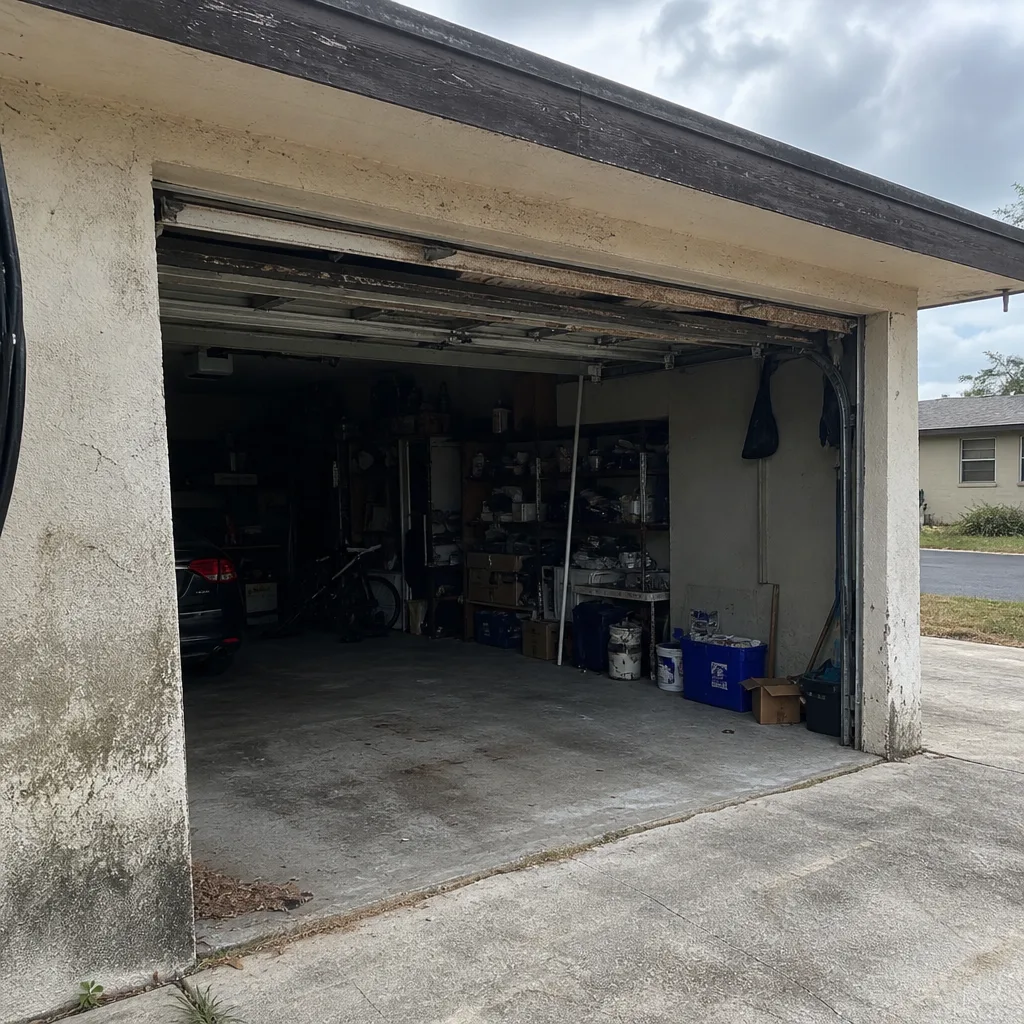 Before
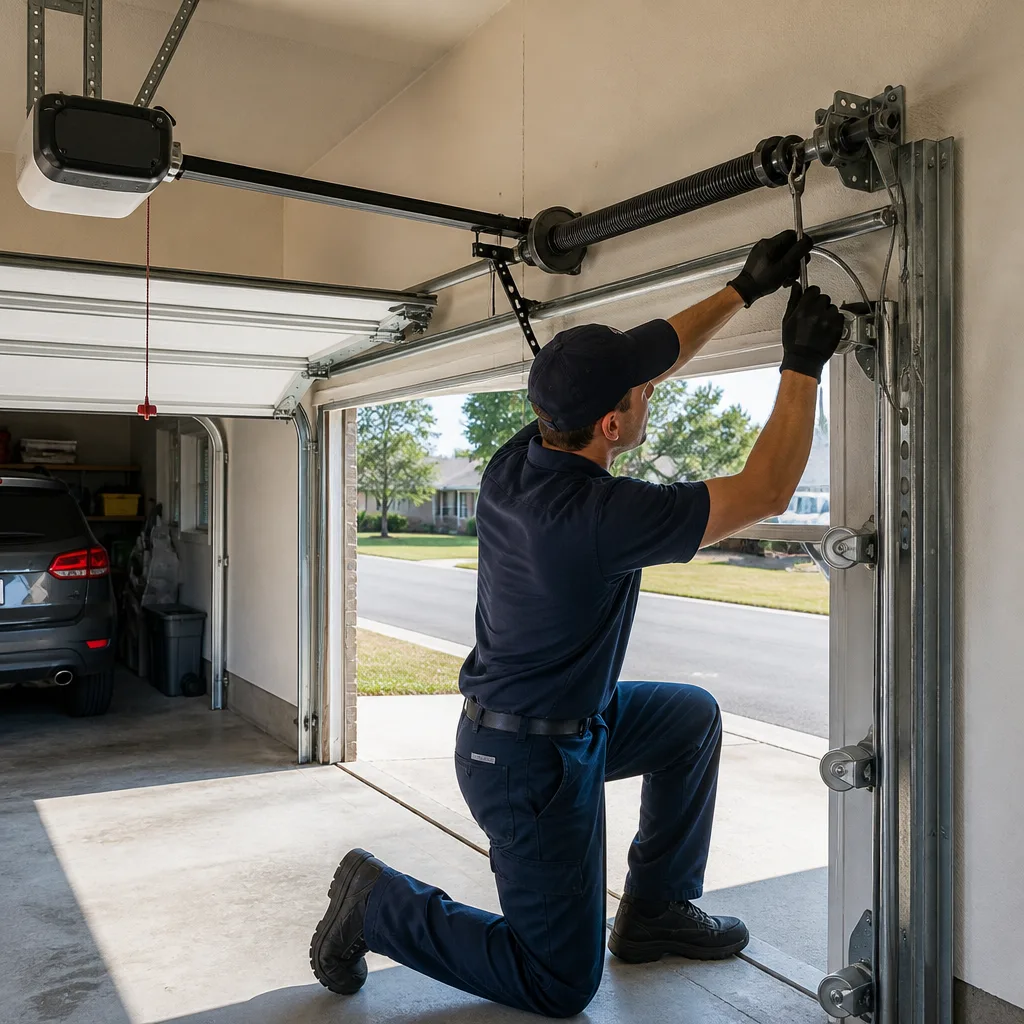 After
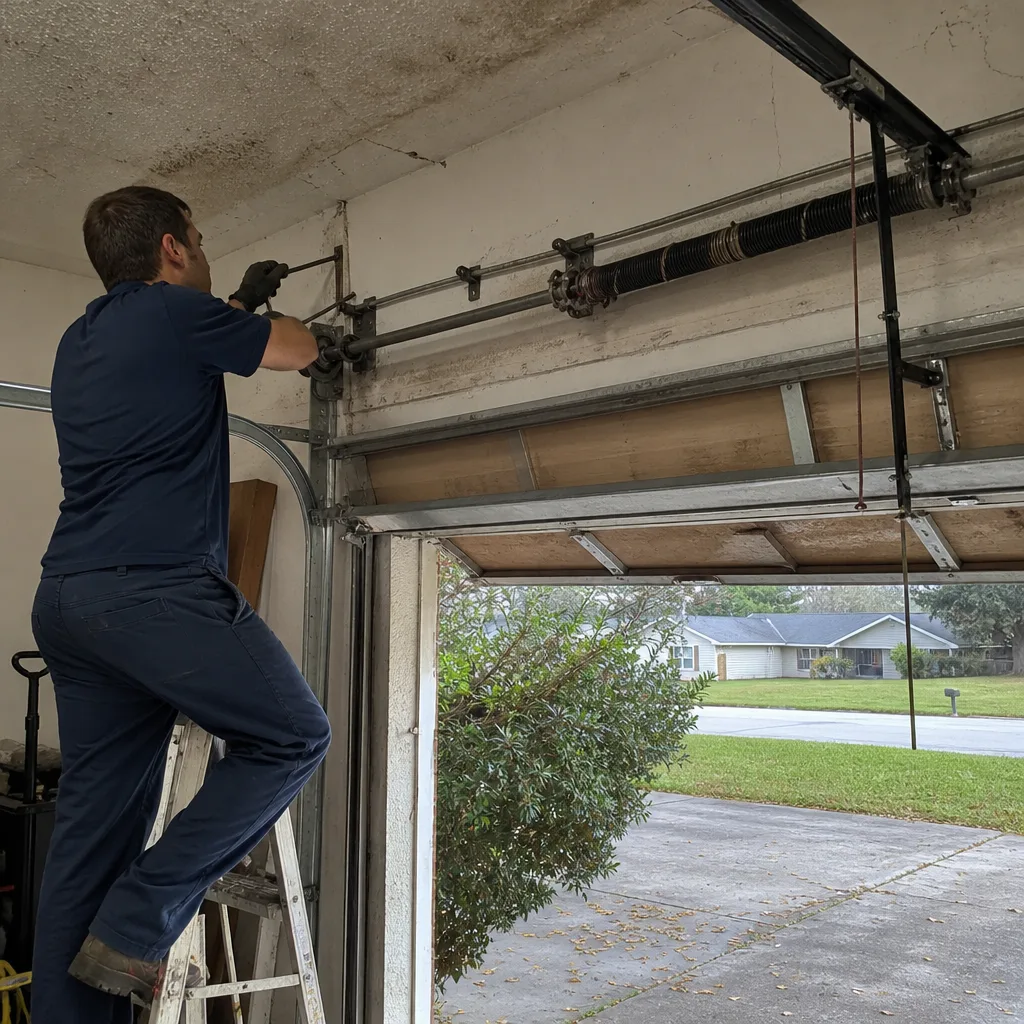 Before
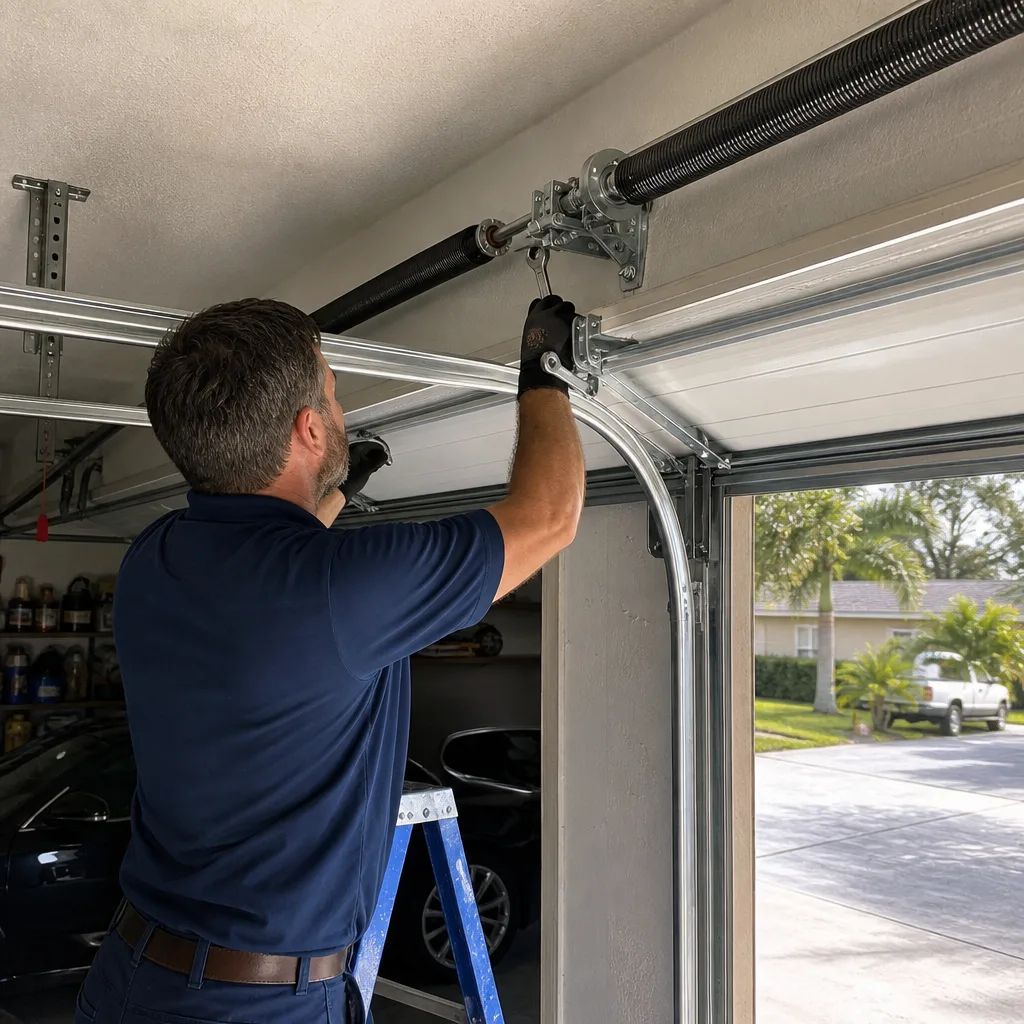 After
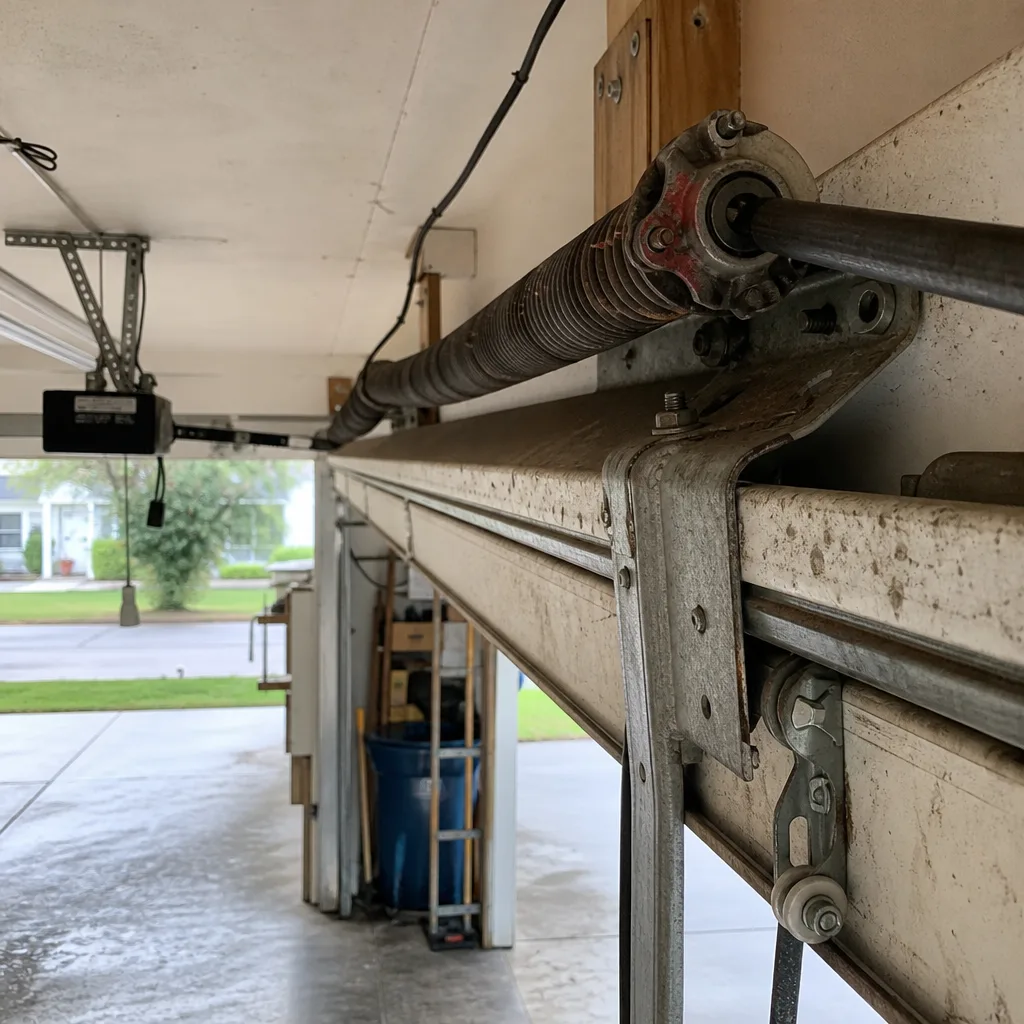 Before
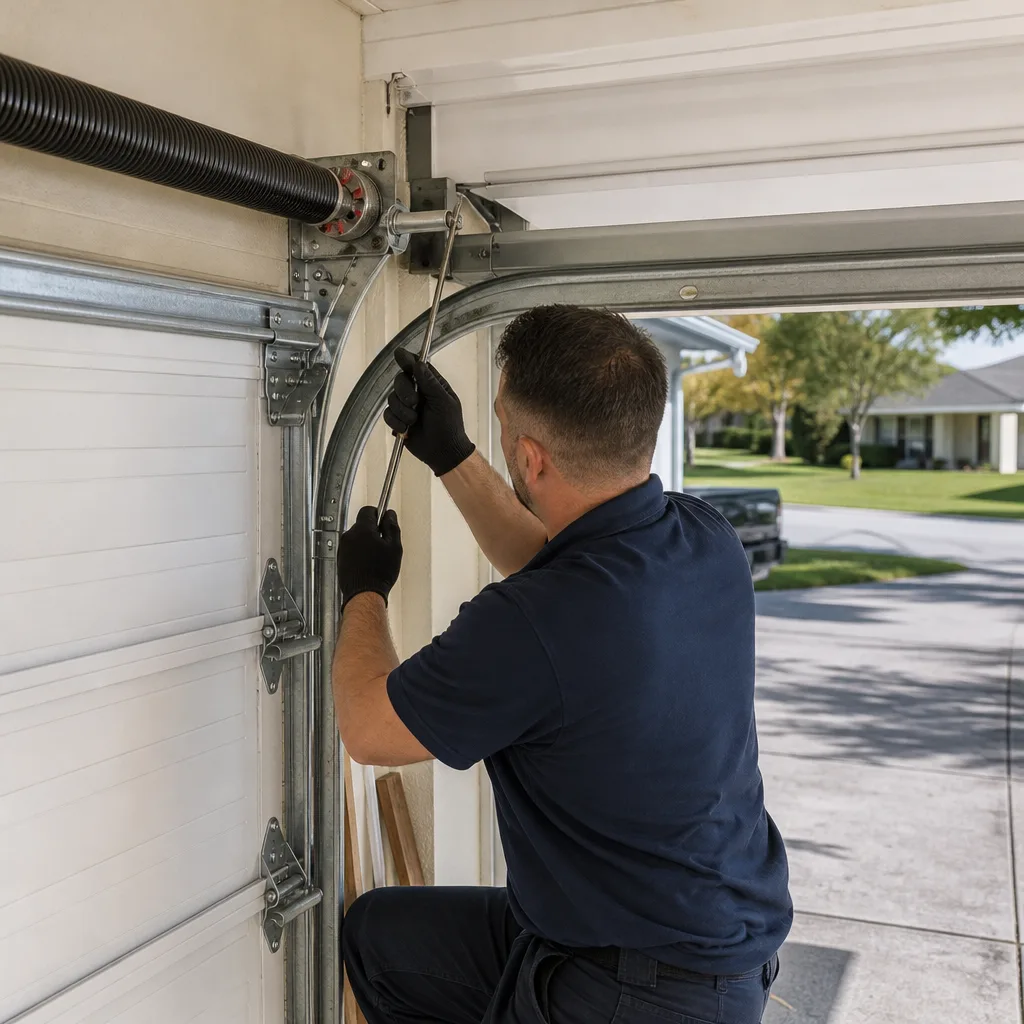 After