
Last updated October 30, 2026
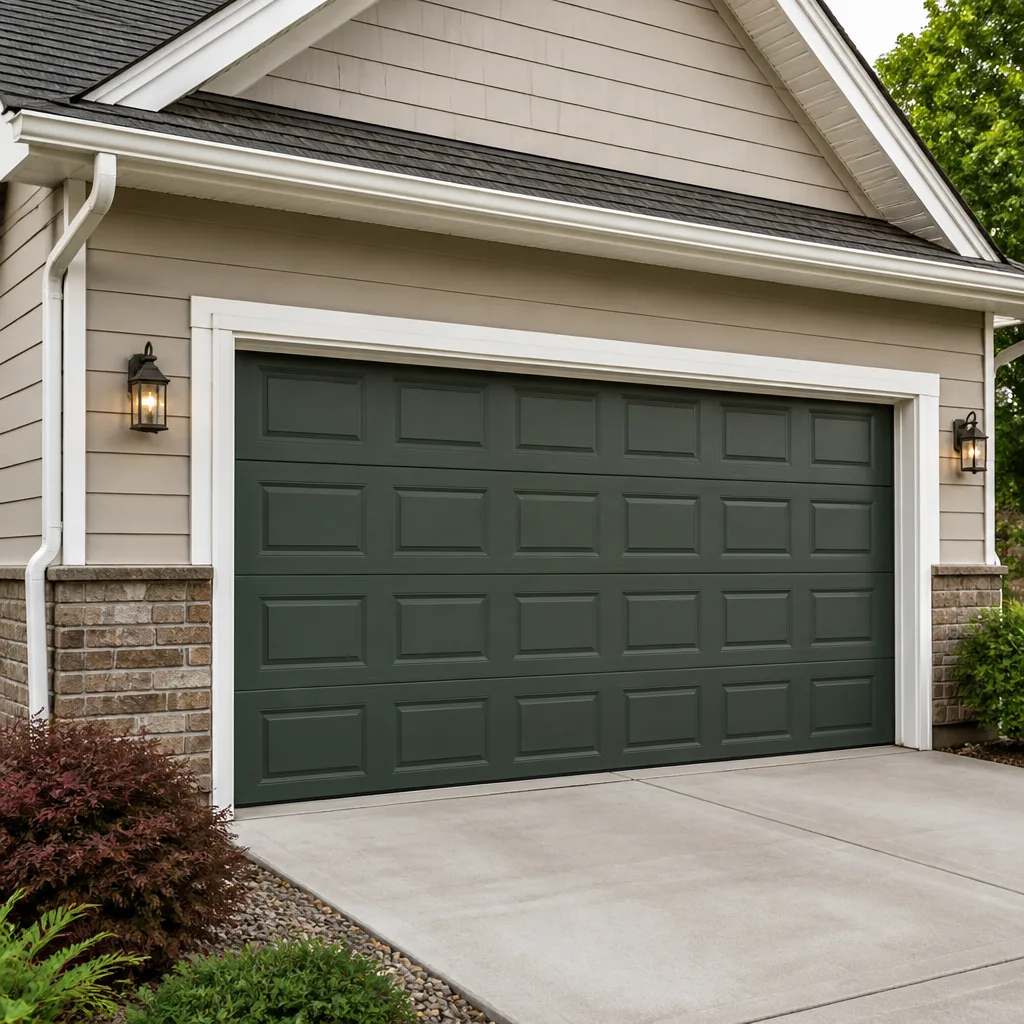 Raised-panel steel
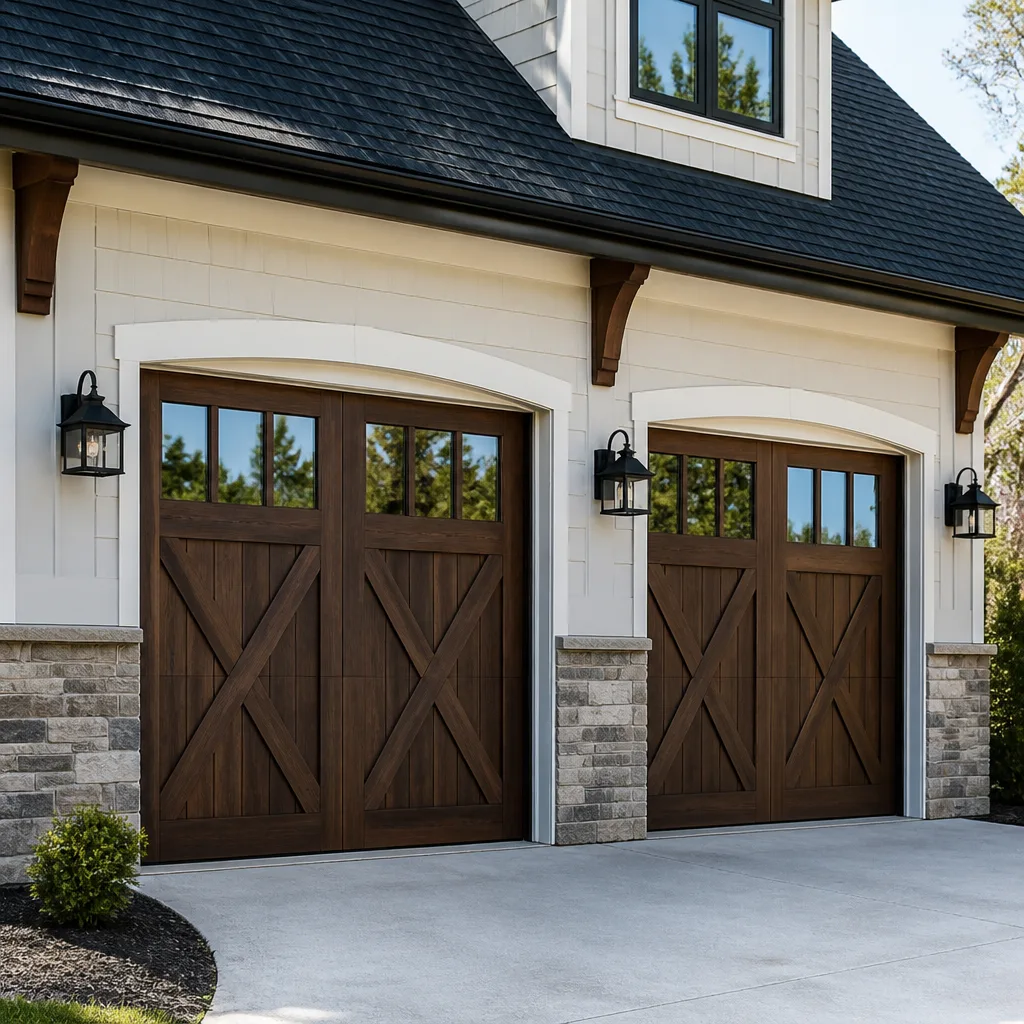 Carriage house
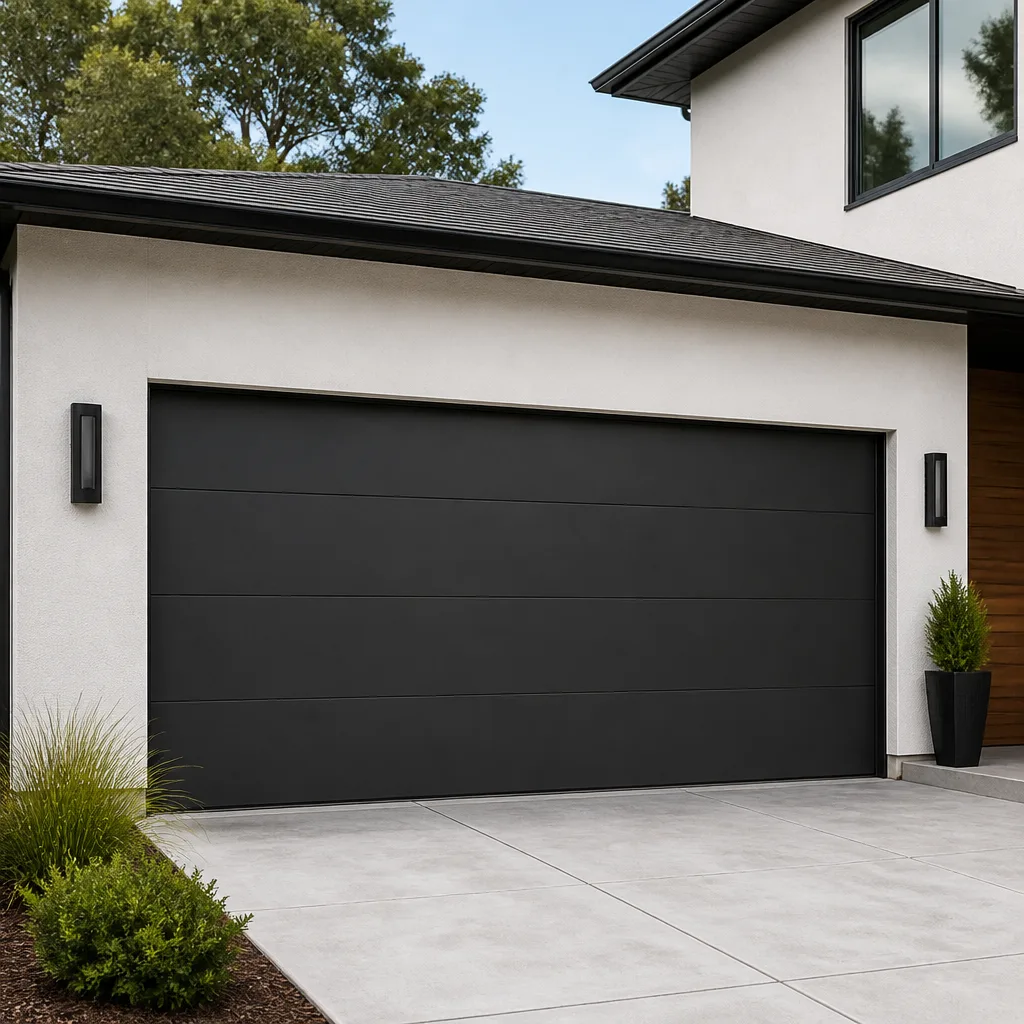 Modern flush
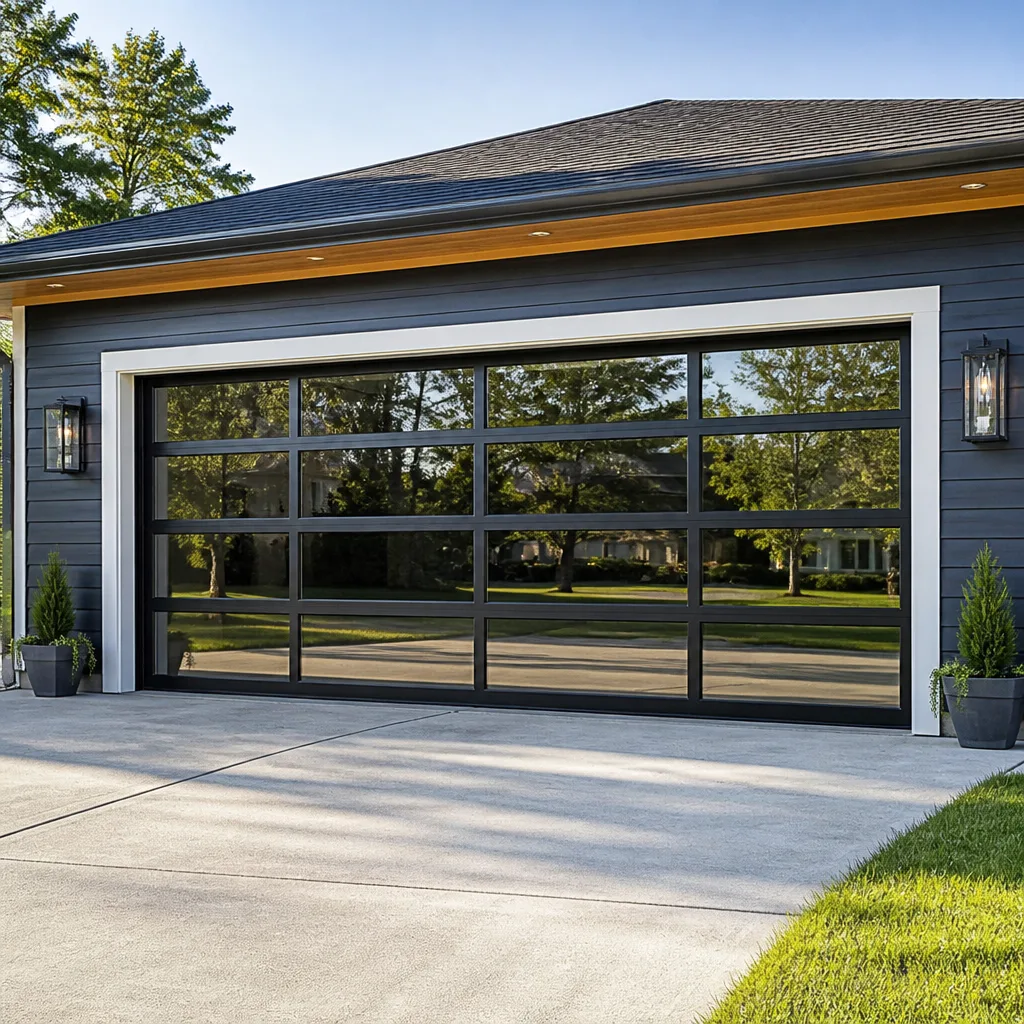 Full-view glass
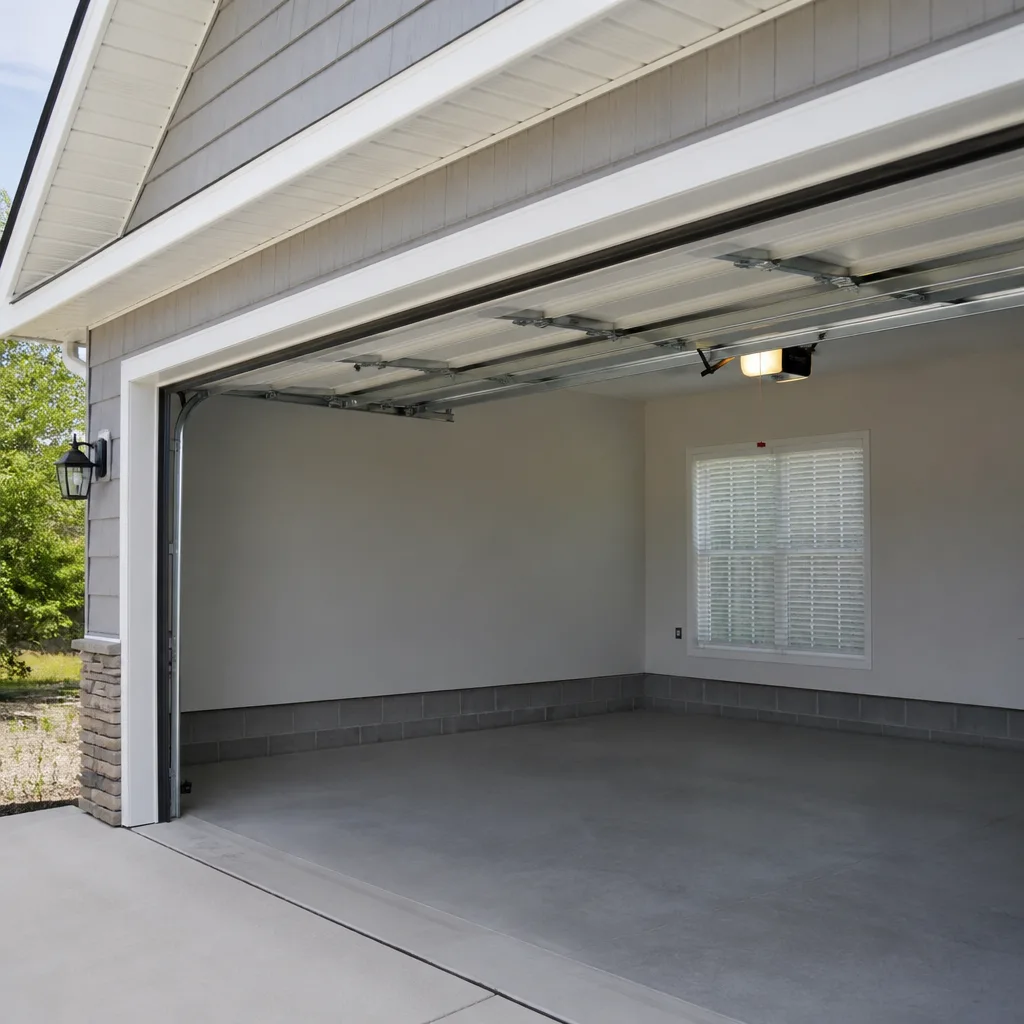 LiftMaster openers
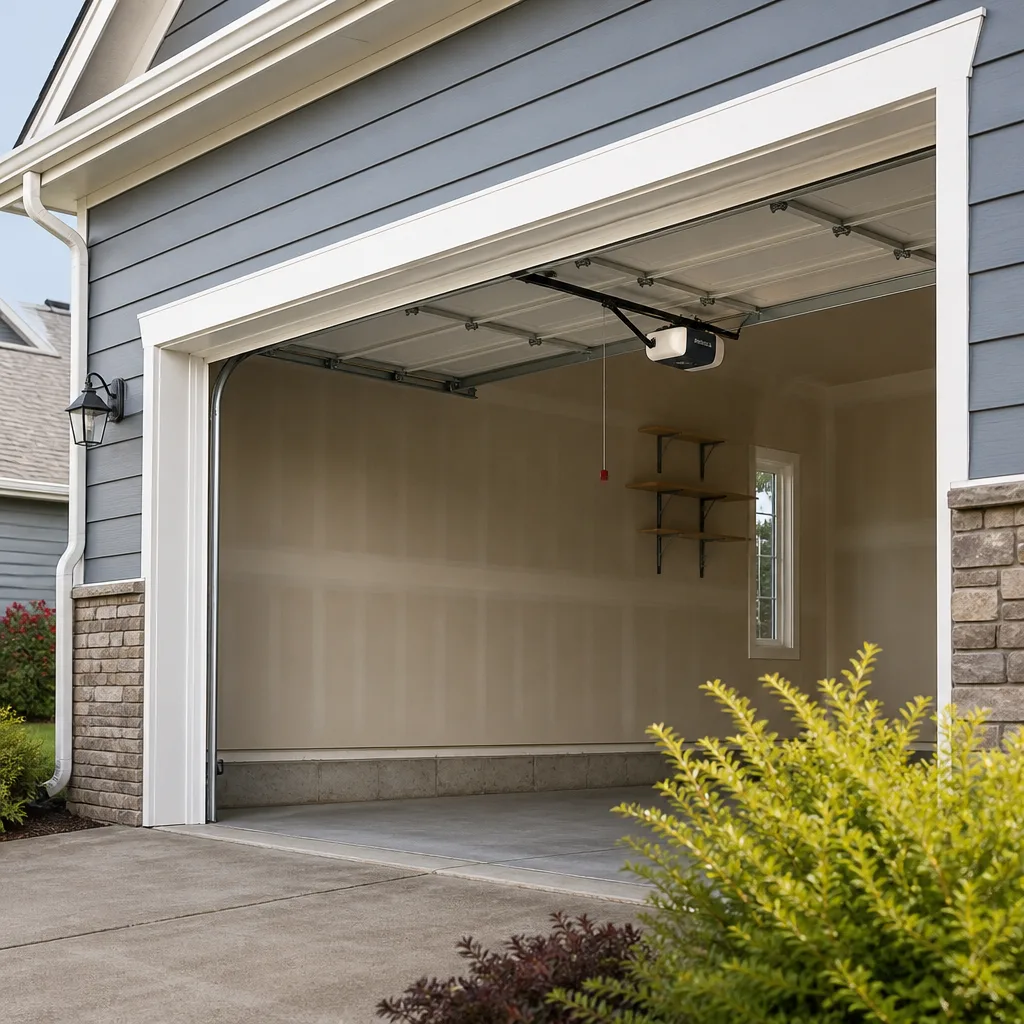 Chamberlain openers
Full 25-point door and opener safety check with every visit - springs, cables, rollers, tracks, and your LiftMaster or Chamberlain opener included
You get a price before we start. It does not change when the truck arrives.
Get your free estimateThe Complete Guide to Garage Door in Lakeland
The garage door is the largest moving part of any home, yet most buyers spend less time choosing it than they spend picking a paint color. That’s a problem, because a garage door in Lakeland isn’t just an entry point. It’s a system of five interdependent components working against heat, humidity, and the occasional tropical storm. Get one component wrong and the other four pay the price. This guide walks through how the system actually works, what Lakeland’s climate does to it, and how to make a decision you won’t regret in five years.
Quick Answer
A garage door is not one product. It’s a system of five parts: the panel, the spring, the opener, the tracks, and the hardware. In Lakeland, material choice matters more than in drier climates because humidity and storm exposure accelerate wear on steel and wood alike. The smartest purchase pairs a climate-appropriate panel with a spring and opener sized for the door’s weight, not just the cheapest option from a big-box shelf.
Styles & brands we work with
Table of Contents
- Understanding the Five Components
- How Lakeland’s Climate Affects Your Garage Door
- A Door Purchase vs. a Door System
- Navigating Lakeland HOA and Style Restrictions
- Why Brand-Agnostic Service Matters
- Material Buyer’s Guide for Lakeland Homes
- Common Mistakes to Avoid
- When to Call a Professional
Understanding the Five Components
Every garage door, regardless of brand or price, works because five components do their jobs together. When one fails, the others absorb the stress. Here’s what each part does and how failures cascade.
1. The Panel
The panel is what you see from the street. It’s the face of the door, but it’s also the largest structural surface. In Lakeland, panels deal with two constant pressures: direct sun on south-facing homes and humidity that never really leaves. Steel panels with a polyester or polyurethane finish resist both better than raw wood, which swells, warps, and invites mildew during Polk County’s wet season. A panel dent from a stray basketball isn’t just cosmetic. It changes the door’s balance, which pushes extra load onto the spring and opener every time the door cycles.
2. The Spring
The spring does the actual lifting. It counterbalances the door’s weight, which on a double-car door can exceed 200 pounds. Springs are rated for a specific number of cycles, not years. A door that opens four times a day for seven years will wear out a standard spring right on schedule. When a spring breaks, the door becomes dead weight. Attempting to lift it manually is dangerous. The opener motor is not designed to lift an unbalanced door, and forcing it will burn out the opener gear. This is the most common failure chain we see: a $40 spring snaps, the owner keeps pressing the button, and a $350 opener follows within weeks.
Safety note: torsion springs hold enormous tension. Never attempt to adjust or replace one without specialized tools and training. This is not a DIY job.
3. The Opener
The opener moves the door, but it doesn’t lift the weight. That’s the spring’s job. The opener is a travel mechanism with a motor, a drive system, and increasingly, a brain. Modern openers from LiftMaster, Chamberlain, and Genie include smart-home connectivity, battery backup, and belt drives that run noticeably quieter than older chain drives. In Lakeland, where attached garages sit directly below bedrooms, that noise difference matters. A belt-drive opener on a balanced door is nearly silent. A chain-drive on an unbalanced door rattles the ceiling.
4. The Tracks
Tracks guide the rollers from the vertical position to horizontal. They’re simple steel channels, but they’re sensitive to alignment. Lakeland’s clay-heavy soil shifts with wet and dry cycles, and that shifting can move the garage framing enough to pull tracks out of square. A door that drags, squeals, or hesitates halfway up often has a track issue, not a motor issue. The fix is usually an alignment adjustment, not a parts replacement.
5. The Hardware
Rollers, hinges, brackets, and cables connect everything else. These are the smallest parts and the least appreciated. Plastic rollers wear out fast in Florida humidity, cracking and seizing within a few years. Nylon rollers last longer and run quieter. Cables work alongside the springs, and when a cable frays, it’s often a sign the spring is wearing unevenly. Replacing a cable without inspecting the spring is treating a symptom, not the cause.
At Stonebridge Garage Door Repair home, we diagnose the system, not just the symptom. That’s the difference between a repair that lasts and one that returns in three months.
How Lakeland’s Climate Affects Your Garage Door
Lakeland sits in USDA hardiness zone 9b, which tells garden centers what will grow but also tells garage door specialists what will corrode. The combination of high heat, sustained humidity, and salt-adjacent air from the Gulf creates a unique wear environment.
Humidity and Corrosion
Relative humidity in Polk County averages above 70% for most of the year. That’s enough moisture to cause condensation inside uninsulated steel panels, leading to rust that starts on the inside and works outward. By the time rust shows on the exterior surface, the panel’s structural integrity is already compromised. Galvanized steel with a factory-applied finish resists this better than thin-gauge primed steel. This is also why hardware matters: cheap hinges and brackets with minimal zinc coating will rust through within five years in Lakeland, long before the panel fails.
Heat Cycles and Springs
Springs fail by cycle count, but heat accelerates fatigue. A spring in a garage that reaches 120°F daily during summer months cycles under more thermal stress than the same spring in a 70°F garage. For Lakeland homeowners, this means a 10,000-cycle spring might effectively deliver 8,000 cycles. The difference shows up as a spring failing in year six instead of year eight.
Storm Exposure
Hurricane season runs from June through November, and even when storms don’t make direct landfall, Lakeland gets wind gusts and driving rain. A garage door is often the largest unbraced opening on the home’s windward side. During a storm, a door that flexes too much can pop out of its tracks or allow water into the garage. Wind-rated doors with reinforced struts add cost but subtract risk, especially for homes in older Lakeland neighborhoods with original single-panel doors; our Garage Door Emergency Preparedness Guide for Lakeland Homes covers storm-season readiness in more detail.
What This Means for Buying
- Choose galvanized steel or fiberglass over wood unless you’re prepared for annual sealing and painting.
- Opt for nylon rollers over plastic or steel. Nylon tolerates humidity without rusting and without cracking.
- Confirm wind-load rating if your home was built before 2002, when Florida building codes updated.
- Insulate even if your garage isn’t conditioned. Insulation reduces heat transfer, which keeps spring fatigue lower.
The Garage Door Installation in Dade City page covers what a proper Florida installation looks like.
A Door Purchase vs. a Door System
Big-box stores sell panels. A garage door system is a coordinated assembly: panel weight, spring rating, opener capacity, track gauge, and hardware quality all matched to each other. When you buy a panel without considering the system around it, you inherit the previous owner’s spring and opener, which were sized for the old panel’s weight. A new insulated steel door weighs more than a hollow aluminum door. The old spring can’t compensate, and the system runs unbalanced from day one.
How to Think About the System
- Determine the panel weight. Insulated, reinforced, and wood-composite panels weigh more. Weight drives everything else.
- Match the spring to the weight. If the spring isn’t re-rated for the new panel, you’re installing a known failure point.
- Verify opener capacity. A 1/2 horsepower opener might handle a light single door fine, but a heavy double door needs 3/4 HP or more.
- Check the track gauge. Heavier doors need heavier tracks. Thin tracks flex under load, causing binding and roller wear.
- Confirm hardware grade. Hinges and brackets should be galvanized or stainless. Cheap zinc-plated hardware fails first in Lakeland.
This is the difference between a $700 door that works beautifully and a $700 door that eats a $300 opener within a year. The panel is the visible purchase. The system is the working purchase.
Navigating Lakeland HOA and Style Restrictions
A significant portion of Lakeland homes fall under HOA or deed-restricted communities. Some neighborhoods have architectural review committees that must approve garage door changes before installation. Skipping this step creates an expensive problem: the door gets installed, the HOA objects, and the homeowner either fights the decision or pays to replace a door they just bought.
What Lakeland HOAs Typically Regulate
- Color and finish. Many communities require garage doors to match the home’s trim color, often white, beige, or a specific accent tone.
- Window placement. Decorative windows may be restricted or must match existing window styles on the home.
- Panel style. Some neighborhoods allow only raised panel or only flush panel designs.
- Material. Wood-look composites may be encouraged in certain communities to match original construction character.
- Insulation requirements. Some newer developments require minimum R-value insulation in garage doors.
Before You Buy: A Four-Step Process
- Pull your HOA documents. Read the architectural guidelines section. Specifically look for garage door language under “exterior modifications.”
- Submit a formal request. Include the manufacturer, model, color, panel style, and installation date. Photos or renderings help.
- Get written approval. Verbal approval doesn’t protect you. Get it in writing before ordering.
- Verify with the installer. Confirm your chosen Garage Door Repair in Dade City professional can install to spec and leave the door compliant.
We’ve helped Lakeland homeowners work through HOA approvals. The ones who submit early and include complete information usually get approval within a week or two. The ones who install first and ask later spend the most money fixing it.
Why Brand-Agnostic Service Matters
Most residential garage systems in Lakeland mix brands across components. A home might have a Clopay panel, a LiftMaster opener, and generic tracks from the original builder install. A service provider tied to one manufacturer sees a door that doesn’t match their inventory and recommends replacement. A brand-agnostic technician sees what’s actually there and works with it.
This matters because replacement is rarely the best first move. A Craftsman opener with a stripped gear can be repaired with a parts kit. A Raynor panel with a broken hinge doesn’t require a new panel, let alone a new door. The technician who recognizes the brand on sight, knows its parts availability, and understands its common failure modes is the technician who fixes it correctly the first time.
Stonebridge Garage Door Repair carries certified working knowledge of eight major brands, including LiftMaster, Chamberlain, Genie, Clopay, Amarr, Wayne Dalton, Craftsman, and Raynor. That covers the vast majority of residential systems in Lakeland. Garage doors are all we do. We diagnose first, recommend second. The repair that gets you to year ten is better than the replacement that gets you to year eleven at triple the cost.
Material Buyer’s Guide for Lakeland Homes
The panel material decision shapes the door’s lifespan, maintenance schedule, and curb appeal. Here’s how the main options perform in Lakeland’s climate.
Galvanized Steel (Most Common)
Steel is the default for a reason. It’s strong, affordable, and available in insulated or uninsulated configurations. In Lakeland, galvanized steel with a quality factory finish resists rust well. The catch: any scratch through the finish becomes a corrosion point. Touch-up paint matters. Steel also dents under impact, which happens more than you’d think with bikes, basketballs, and backing vehicles. A dented panel changes the door’s balance and should be evaluated even if it looks purely cosmetic.
Aluminum (Lightweight, Less Durable)
Aluminum handles humidity without rusting, which makes it appealing for coastal properties. But aluminum dents more easily than steel and doesn’t hold insulation as effectively. For attached garages in Lakeland where the door faces direct afternoon sun, aluminum transfers heat more readily. It’s a reasonable choice for a rarely-used detached garage and a poor choice for an attached garage under a bedroom.
Wood and Wood Composite (Beautiful, High Maintenance)
Real wood doors look striking, and in certain Lakeland historic districts they’re the expected aesthetic. But wood in a 70% humidity environment requires annual maintenance: sealing, painting or staining, and hardware inspection. Rot in the bottom panel is the most common failure, followed by warping that affects track alignment. Wood-composite doors offer the look with less maintenance, but they cost more upfront and still need periodic care. Choose wood only if you’re committed to the upkeep or willing to pay someone to maintain it.
Fiberglass (Niche Application)
Fiberglass resists humidity and corrosion entirely, which solves the biggest Lakeland-specific problems. But fiberglass panels are brittle, prone to cracking under impact, and limited in style options. They work well in high-humidity conditions and in areas with salt-adjacent air. For most Lakeland homes, fiberglass is a specialty material, not a general recommendation.
Quick Material Comparison
- Galvanized steel: Best overall value, excellent humidity resistance with proper finish, moderate dent resistance.
- Aluminum: Lighter, no rust, but dents easily and insulates poorly.
- Wood: Premium look, requires constant maintenance in Lakeland’s climate.
- Fiberglass: Excellent humidity resistance, but brittle and limited selection.
Common Mistakes to Avoid
- Buying a panel without checking the spring. The new panel’s weight will almost certainly differ from the old one. An unmatched spring means the door runs unbalanced from the start, shortening the life of every other component.
- Ignoring HOA rules until after installation. In Lakeland, several communities require pre-approval for garage door changes. Installing first means risking a forced replacement.
- Choosing price over cycle rating on springs. Standard springs are rated for around 10,000 cycles. High-cycle springs cost more but last two to three times longer. In Lakeland’s heat, the longer rating pays for itself.
- Keeping an old opener with a new door. A heavier door on an older, weaker opener burns out the motor. If the opener is more than ten years old, it makes sense to evaluate it alongside the new door.
- Replacing a door when a component repair would work. A broken hinge, a snapped cable, or a worn roller doesn’t require a new panel. A brand-agnostic diagnostic will identify the actual failure point.
- DIY spring or cable work. Torsion springs store enough tension to cause serious injury. This is one of the few household tasks where the smart choice is always to call a trained professional.
- Skipping insulation to save money. Insulated panels cost more upfront but reduce heat transfer into the garage, which lowers spring fatigue and keeps adjacent living spaces cooler during Lakeland summers.
When to Call a Professional
Call a professional the moment a spring breaks, a cable frays, or the door comes off its tracks. These are not DIY situations; the tension involved can cause serious injury. You should also call when the door shakes, jerks, or makes grinding noises during operation. Those symptoms mean the system is working against itself, and every cycle adds wear. If you’re unsure whether a door needs repair or replacement, a diagnostic visit costs less than guessing wrong. Stonebridge Garage Door Repair offers free estimates in Lakeland – call (833) 589-8630.
See the difference
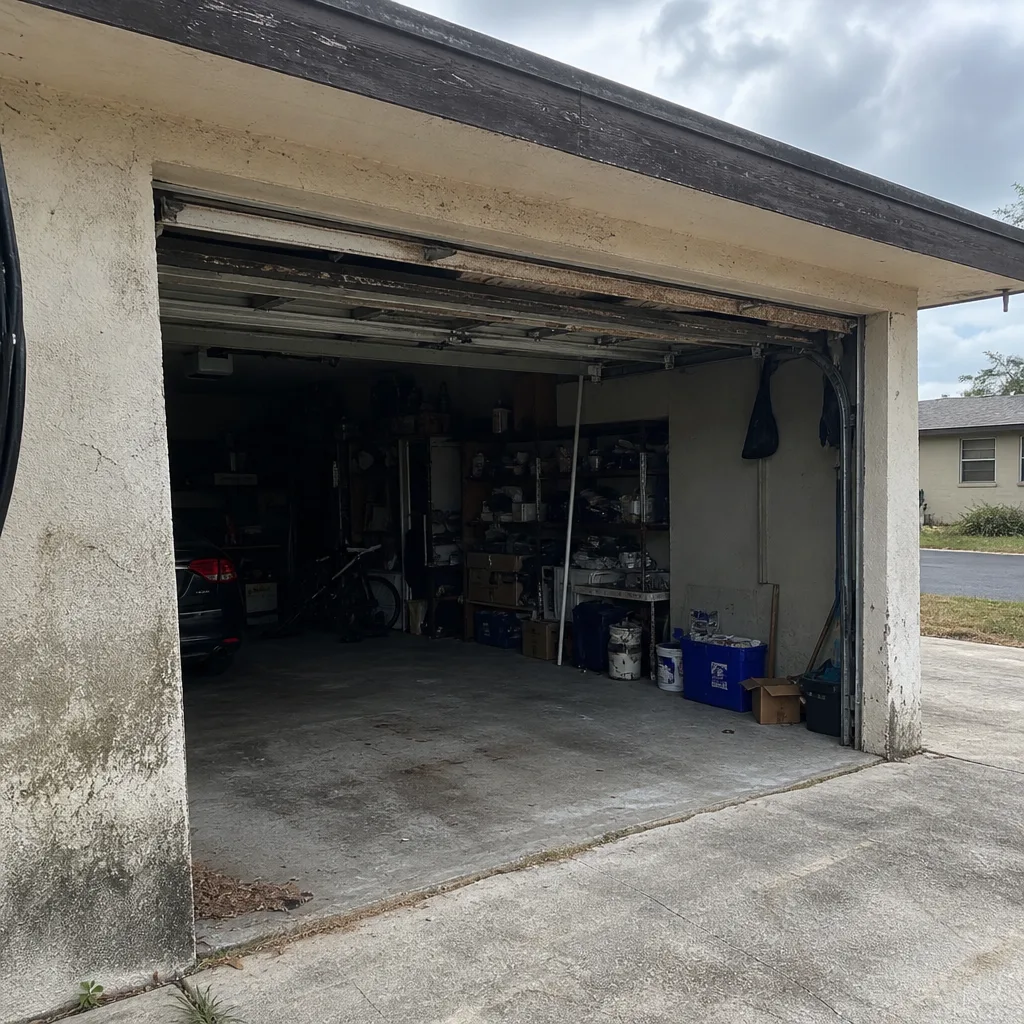 Before
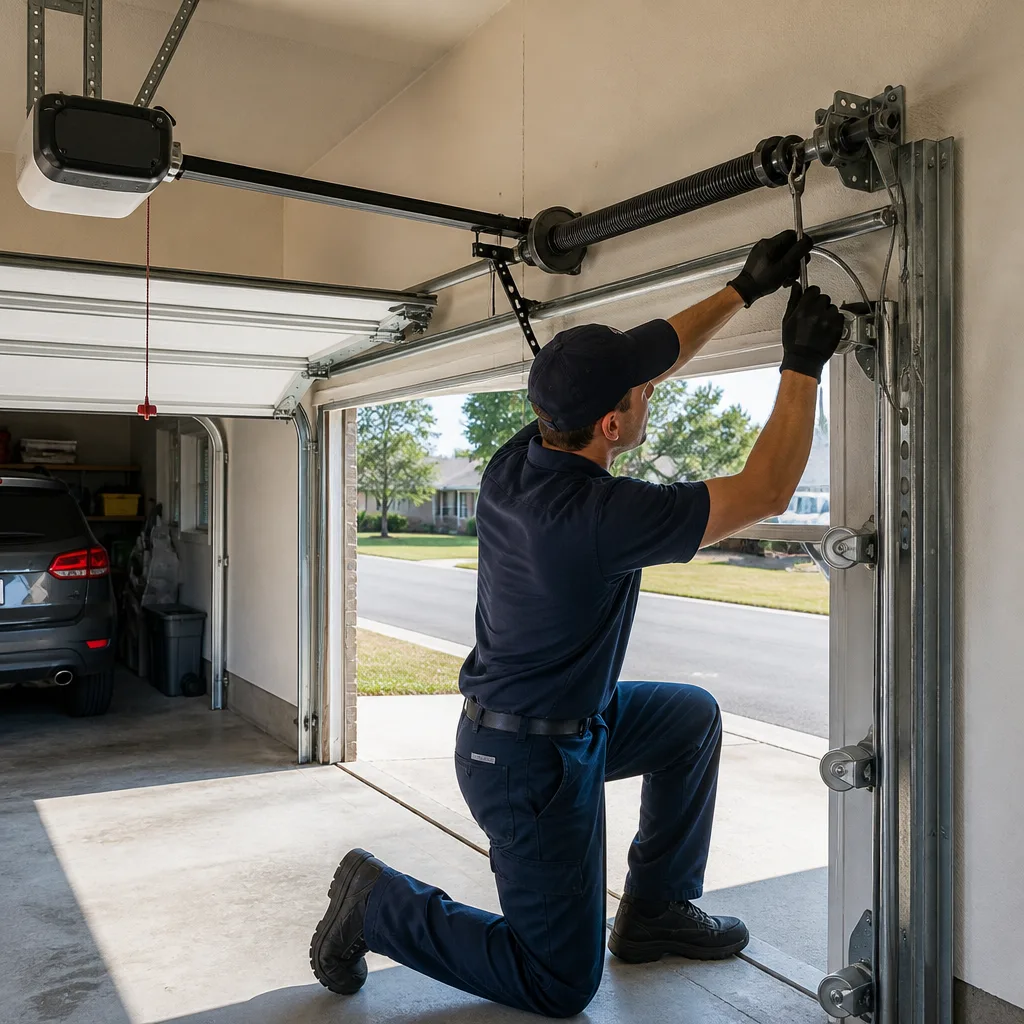 After
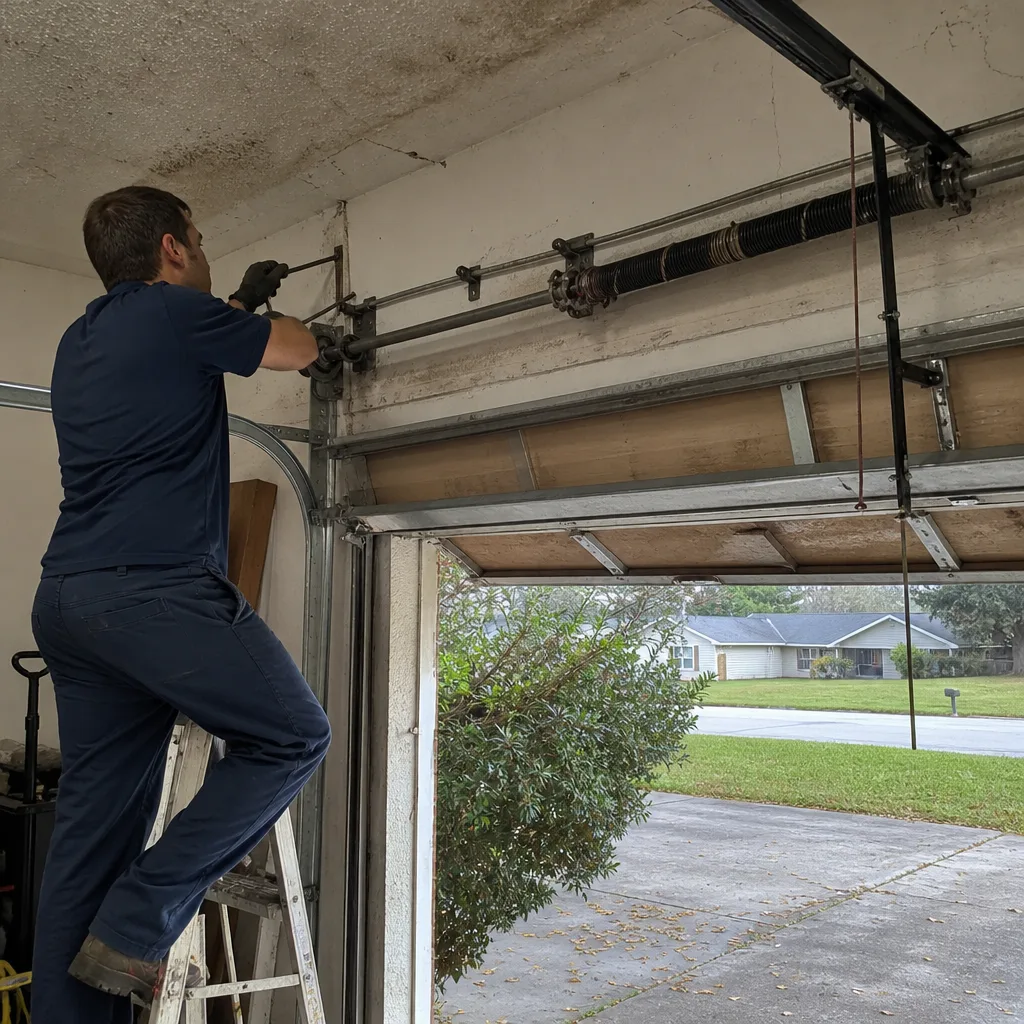 Before
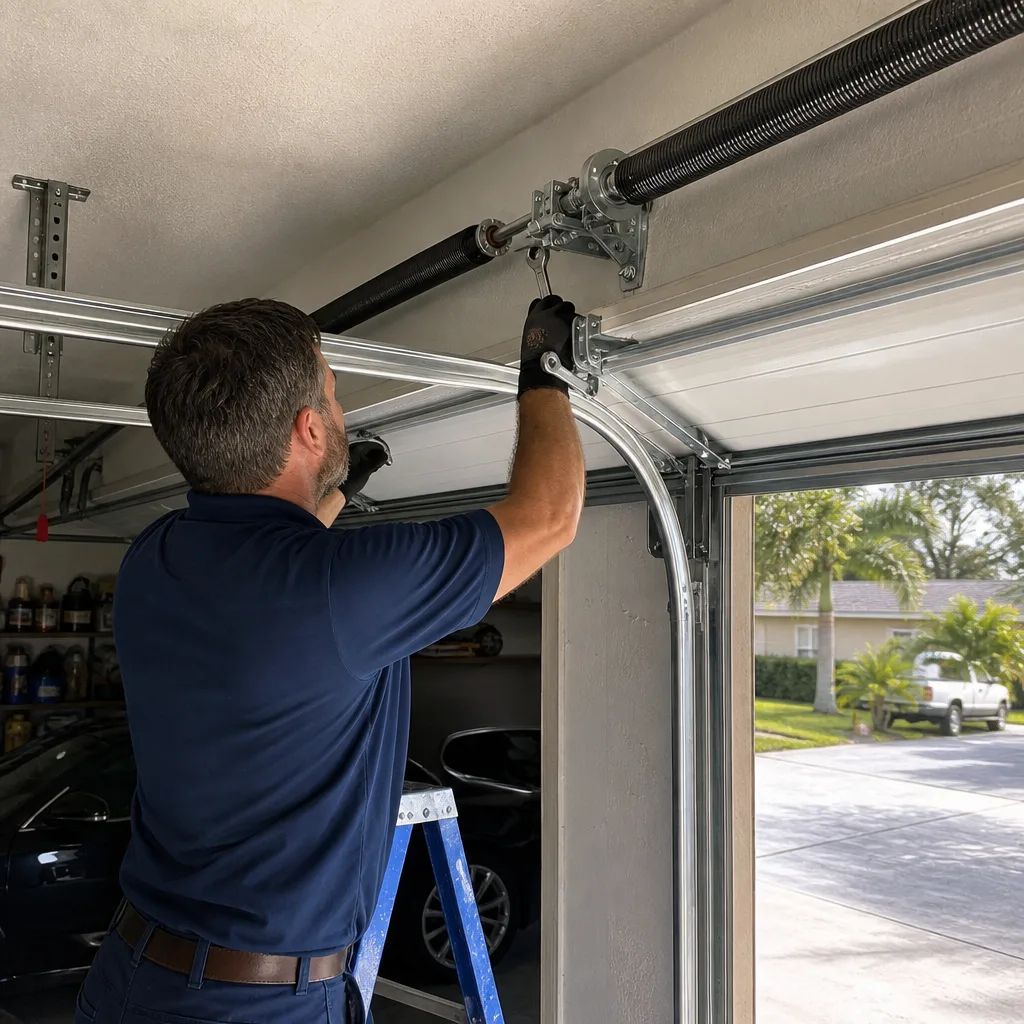 After
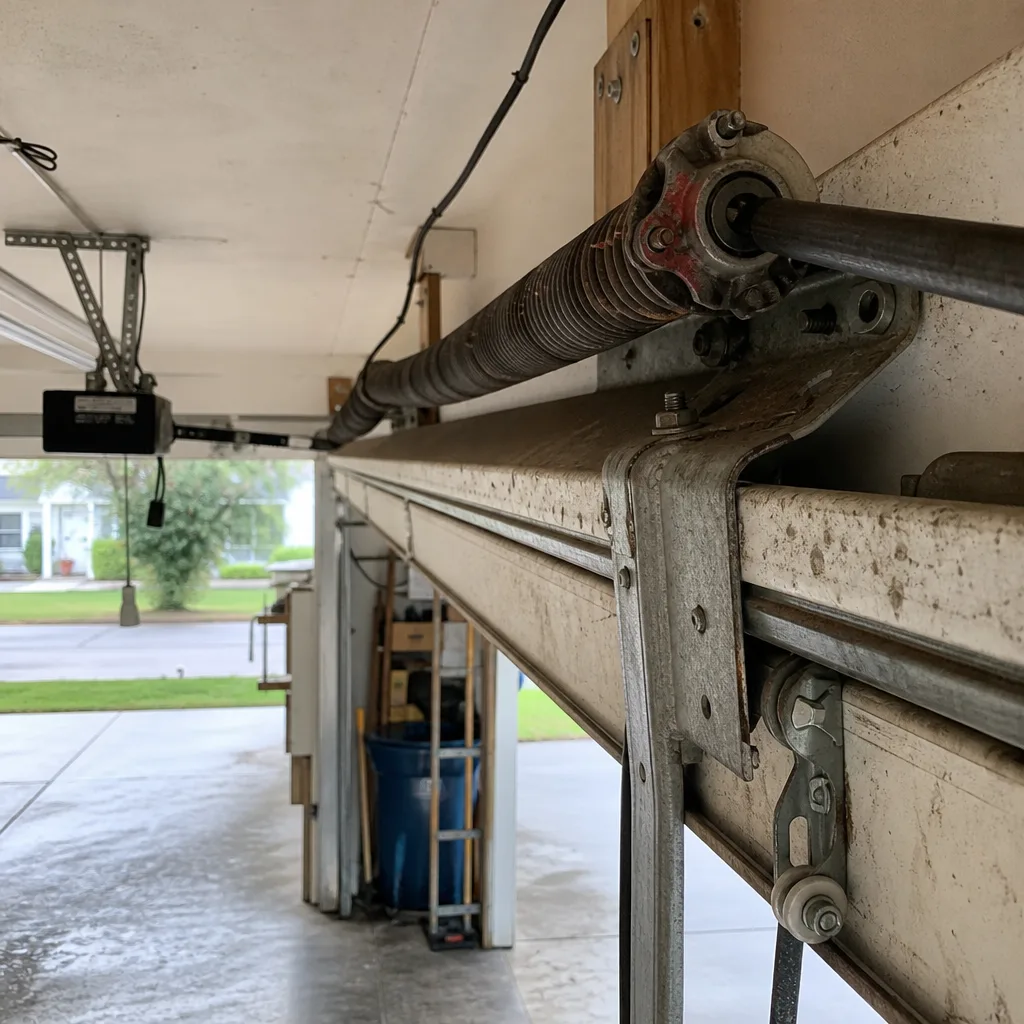 Before
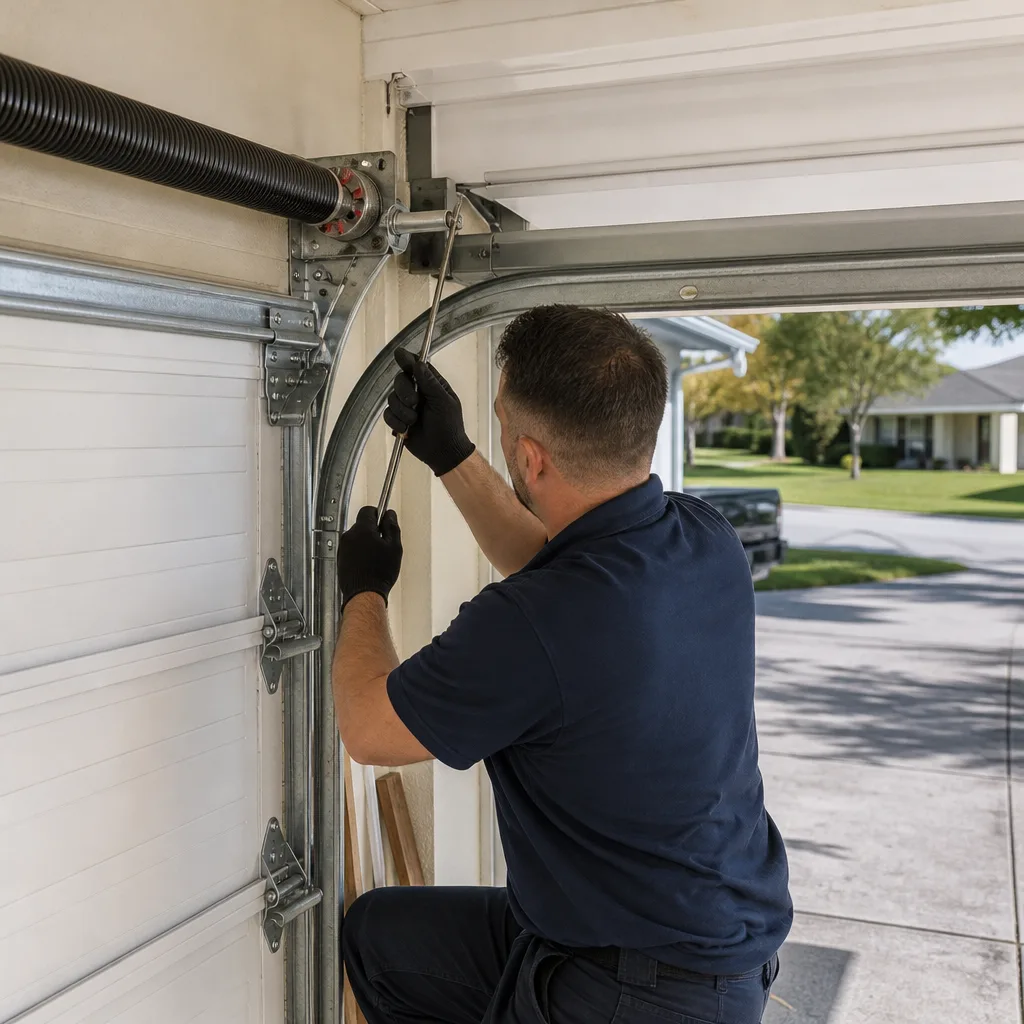 After
Frequently Asked Questions
A basic single steel door in Lakeland typically runs $600 to $1,200 installed, while a double door runs $900 to $2,000. Insulated doors, wood composites, and wind-rated options push higher. The full system cost depends on whether the spring, opener, and tracks need replacement alongside the panel; see our Garage Door Cost Breakdown: The Lakeland Homeowner’s Reference for 2026 for details. Call (833) 589-8630 for a written estimate before any work begins.
A well-maintained steel garage door in Lakeland lasts 15 to 20 years. Springs last 7 to 10 years depending on cycle rating and garage temperature. Openers typically last 10 to 15 years. These are system numbers: if one component fails and stresses the others, the shorter lifespan applies.
Most issues are repairable. Broken springs, snapped cables, worn rollers, misaligned tracks, and opener problems are standard repairs. Panel damage is where replacement becomes a question: a single dented panel can sometimes be replaced individually, but if the door is older and the panel is discontinued, full replacement becomes the practical option.
Yes. Stonebridge Garage Door Repair services LiftMaster, Chamberlain, Genie, Clopay, Amarr, Wayne Dalton, Craftsman, and Raynor systems. We diagnose what’s actually installed rather than steering toward a single manufacturer. Eight brands. One call.
Garage door replacement typically falls under routine exterior maintenance, which usually doesn’t require a permit in Lakeland. However, if the opening is being widened or the structure changed, a permit may apply. HOA approval is a separate requirement and should be confirmed before ordering.
No. The price is quoted and agreed before any work starts. If the on-site inspection reveals a complication, that’s discussed and approved in writing before proceeding. You’ll never face an invoice that exceeds the agreed quote without your explicit sign-off.
The Bottom Line
A garage door in Lakeland is a system, not a single purchase. The panel, spring, opener, tracks, and hardware work together, and failure in any one part stresses the rest. Lakeland’s humidity and heat accelerate wear, making material and component quality more important here than in drier climates. HOA rules add another layer, and brand-agnostic service ensures your existing system gets an honest diagnostic before any replacement recommendation. The smartest homeowners think in cycles, not years, call a specialist who sees the whole system at once, and explore more guides & resources before making decisions. That’s the difference between a door that lasts fifteen years and one that fights itself from day one.
Written by the team at Stonebridge Garage Door Repair, serving Lakeland since 2015.