
Last updated October 30, 2026
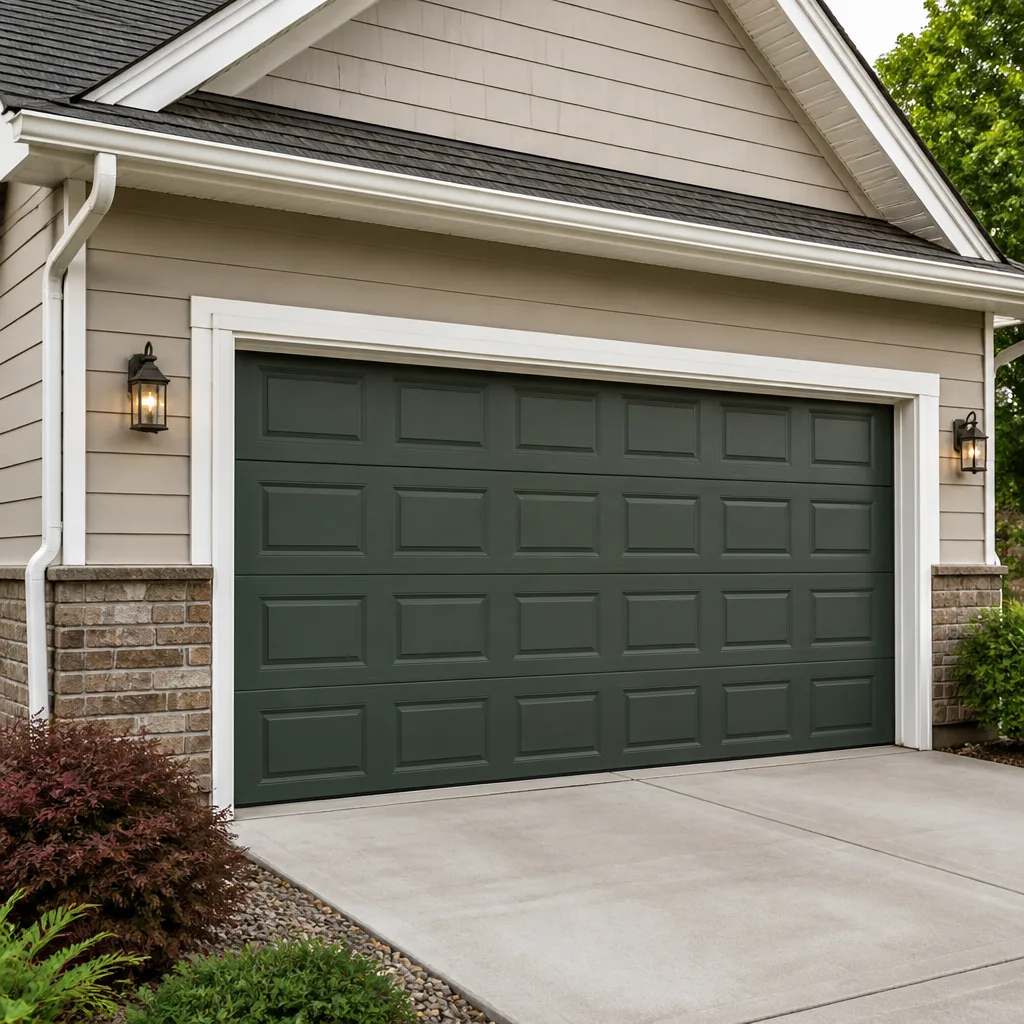 Raised-panel steel
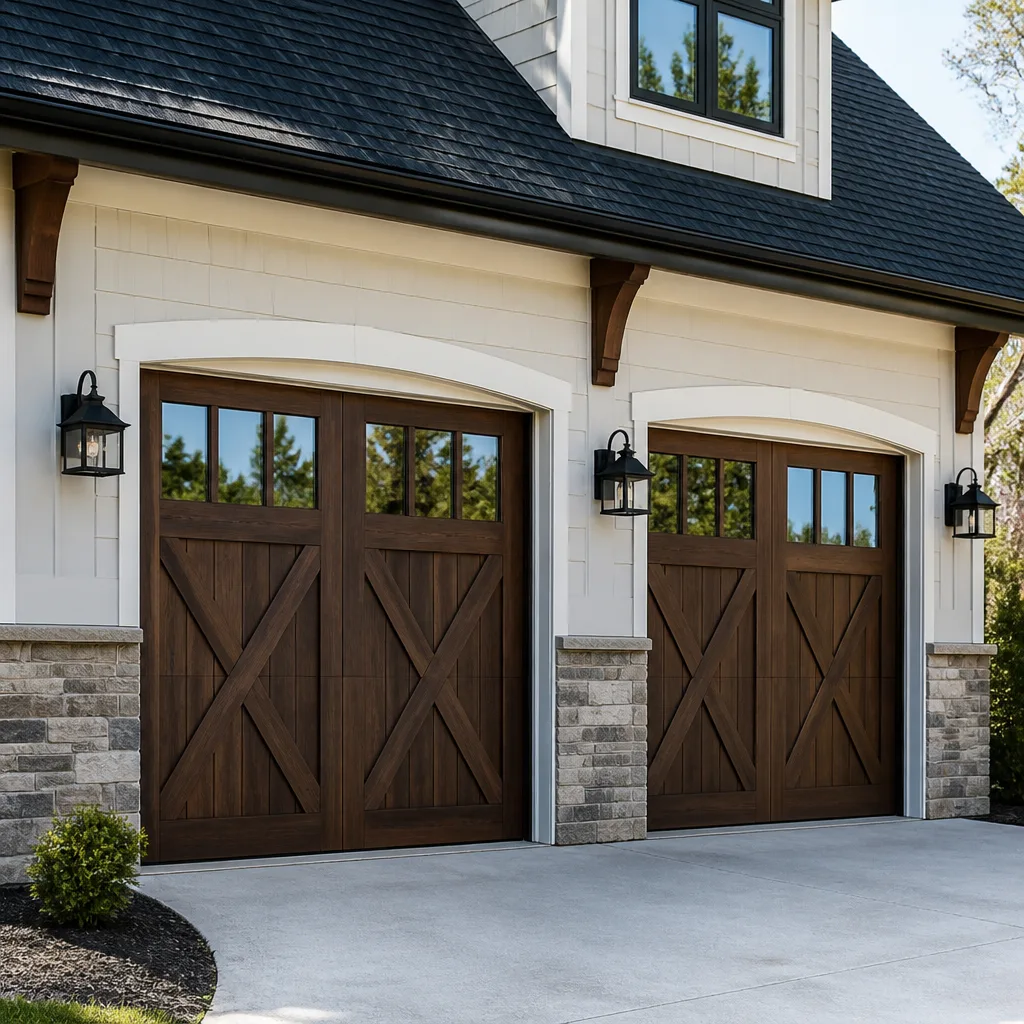 Carriage house
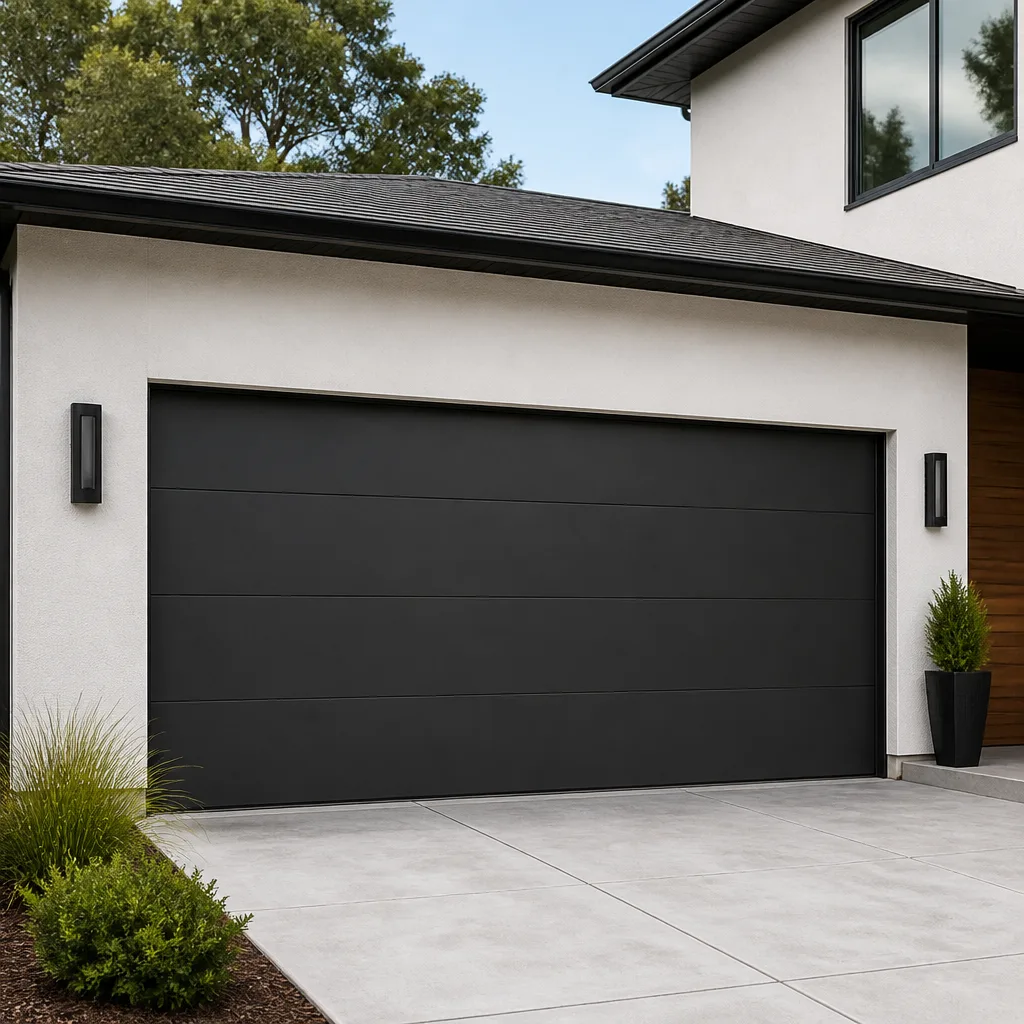 Modern flush
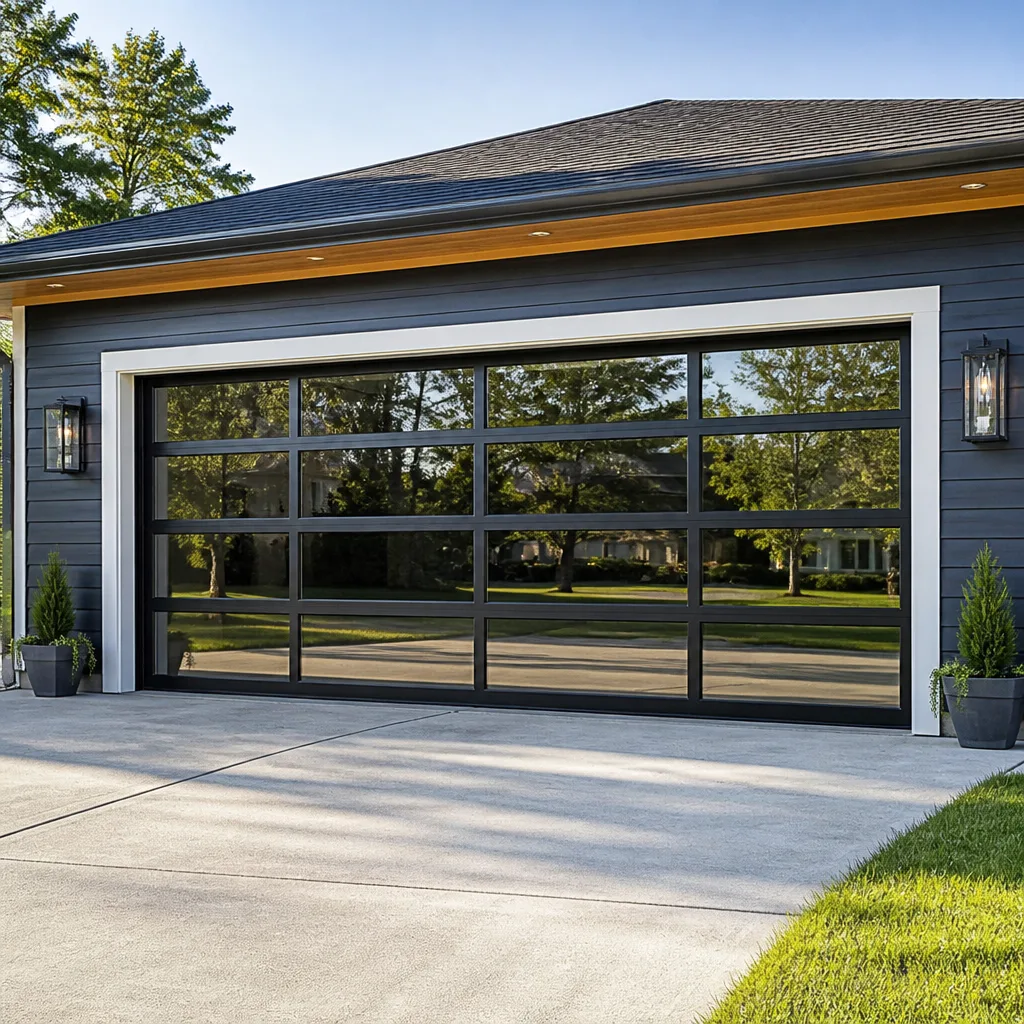 Full-view glass
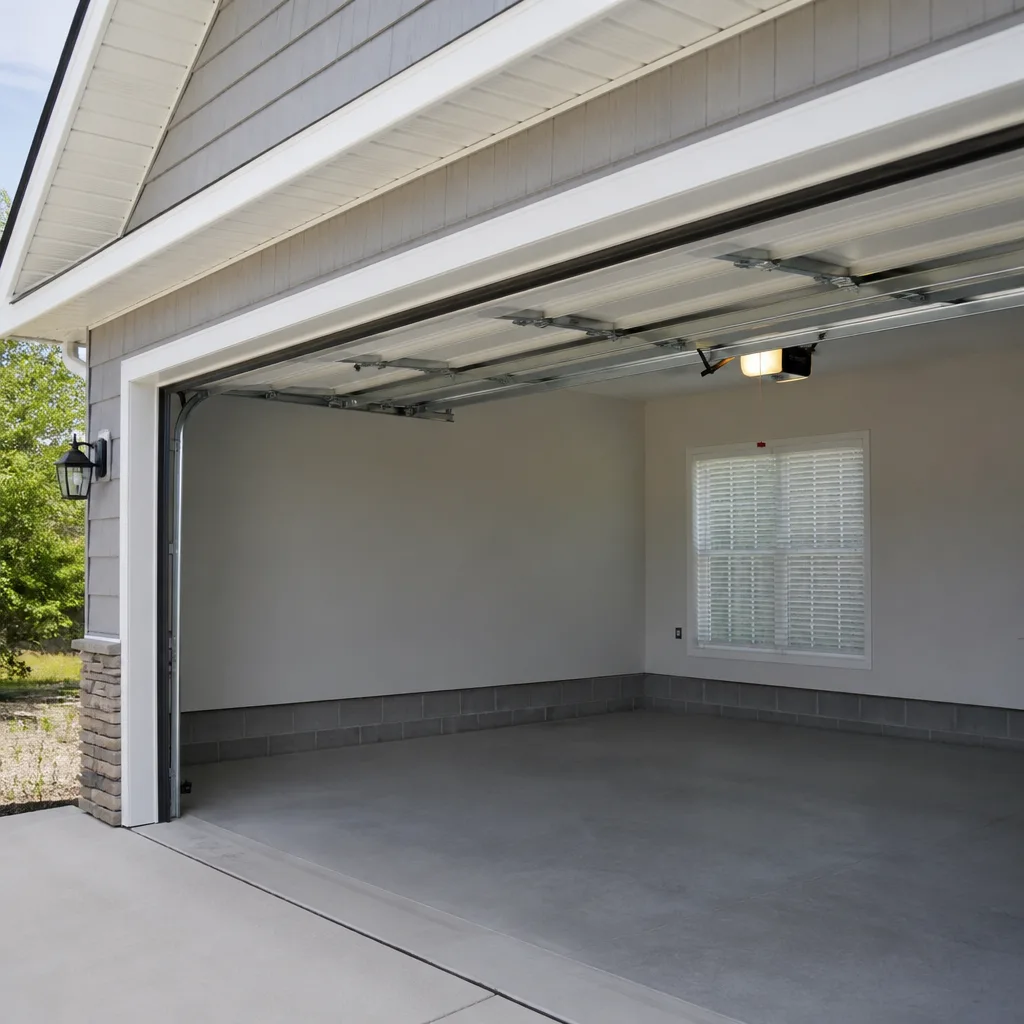 LiftMaster openers
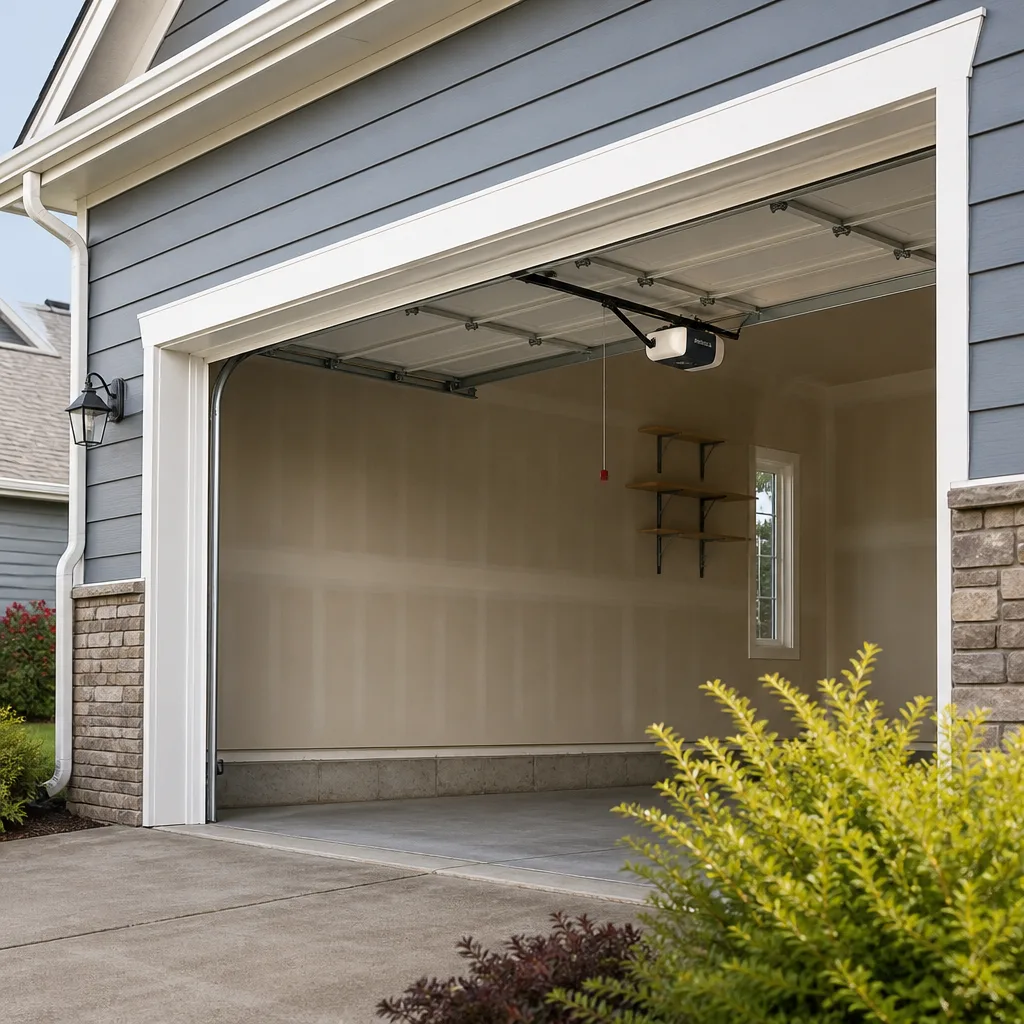 Chamberlain openers
Full 25-point door and opener safety check with every visit - springs, cables, rollers, tracks, and your LiftMaster or Chamberlain opener included
You get a price before we start. It does not change when the truck arrives.
Get your free estimateGarage Door Emergency Preparedness Guide for Lakeland Homes
Here’s a truth most Lakeland homeowners don’t confront until it’s too late: your garage door is the single most likely system in your home to fail at the worst possible moment. Not your AC, not your water heater. The garage door. It carries hundreds of pounds of weight on springs that are rated for a finite number of cycles, and when one lets go at 7 AM on a Tuesday, your car is trapped, your morning is gone, and you’re about to learn exactly how unprepared you were. This guide – along with our Garage Door Repair Troubleshooting: Common Problems and How to Fix Them – walks you through what actually matters before the spring breaks, before the storm hits, and before you’re standing in your driveway wondering what to do next. In Lakeland, where hurricane season runs for nearly half the year and humidity works on metal parts every single day, preparation isn’t optional.
Styles & brands we work with
Quick Answer
A garage door emergency in Lakeland means knowing three things: how to get your car out when the opener fails, how to brace and secure the door before a named storm, and which phone number to call when a spring breaks and the door won’t budge. For deeper preparation, see our Garage Door Repair Maintenance Checklist for Lakeland Homeowners. The manual release procedure takes about two minutes to learn and works on every major brand installed in Lakeland homes, including LiftMaster, Chamberlain, and Genie openers. If a spring has snapped, do not attempt to lift the door yourself – a door with a broken spring can weigh 200 to 400 pounds, and the repair belongs to a professional.
Table of Contents
- How to Manually Open Your Garage Door When the Power Is Out
- What to Do When a Spring Breaks (and Why You Shouldn’t Lift the Door)
- Pre-Hurricane Garage Door Prep for Lakeland Homes
- Power Outages and Battery Backup Openers: What Actually Works
- The 15-Minute Garage Emergency Kit: Tools and Hardware to Keep On Hand
- How to Temporarily Secure a Broken Garage Door Overnight
- Manual Release Steps for the Most Common Opener Types in Lakeland
- Common Mistakes to Avoid
- When to Call a Professional
- Frequently Asked Questions
How to Manually Open Your Garage Door When the Power Is Out
Every garage door opener installed in the last four decades has a manual release mechanism. It’s the red handle hanging from a rope or cord near the top of the door track. Pulling it disconnects the door from the opener carriage, which lets you lift the door by hand. This is the single most important piece of garage door knowledge you can have, and most Lakeland homeowners have never used it until they need it.
The mechanics are simple. When you pull the red handle, a spring-loaded latch disengages the trolley from the opener’s drive chain or belt. The door is now free to move on its own tracks. Lift it using the handle at the bottom of the door, not the panels themselves. Keep your back straight, use your legs, and expect the door to feel heavier than you guessed. If the door feels stuck or drops suddenly when you try to lift it, stop immediately. That’s the sign of a broken tension spring, and no amount of muscle will make it safe to move.
Here’s the step-by-step, applicable to LiftMaster, Chamberlain, and Genie openers alike:
- Locate the red emergency release handle. It hangs from a rope below the opener rail, usually about a foot from the garage door itself.
- Ensure the door is fully closed. If the door is partially open when power fails, you can still use the release, but you’ll need help supporting the door’s weight as you lower it.
- Pull the handle straight down and toward the door. You’ll feel a click when the trolley disengages. Some openers require a firm tug. Do not yank hard enough to rip the rope off.
- Lift the door using the bottom handle or lift grips. If your door has no handle at the bottom, grip the lowest panel edge with both hands. Lift in one smooth motion.
- Secure the door in the open position. If the door’s springs are healthy, the door should stay up on its own. If it drifts down, the springs are weakening and need service.
- To re-engage the opener, pull the red handle again while the door is closed, or press the wall button once the opener’s trolley reconnects. Most modern openers snap back into the carriage automatically when you run the motor.
One warning specific to Florida garages: if you haven’t tested your manual release in years, the rope may be brittle from heat and humidity. If the rope snaps when you pull it, you’ll need to reach the release mechanism directly, which usually requires a stepladder. Testing the release twice a year – we recommend the start and end of hurricane season – catches a rotten rope before you actually need it.
What to Do When a Spring Breaks (and Why You Shouldn’t Lift the Door)
A garage door spring breaking sounds like a gunshot inside the house. In our experience serving Lakeland homes, that’s the first sign most people notice. The second is realizing the opener motor strains and stops without lifting the door. When a torsion spring above the door snaps, the opener alone cannot lift the door’s full weight, and forcing it will chew through the opener’s gear.
Here’s what not to do: do not stand under the door, do not try to lift it, and do not attempt to remove the broken spring yourself. Torsion springs carry enormous tension. Even with one spring broken, the other spring on a two-spring system is still loaded and dangerous to touch. A door with a broken spring weighs what it weighs – anywhere from 150 to 400 pounds depending on the door material – and without a working counterbalance, gravity wins. If the door slips from your grip, it will come down hard enough to break bones or worse.
What you can do safely:
- Leave the door where it is. If it’s stuck shut, your car stays put. If it’s stuck open, skip ahead to the temporary security section below.
- Disconnect the opener. Pull the red release handle so the motor doesn’t try to lift the dead weight and strip its own gears.
- Call a garage door specialist who services your brand. Springs are not one-size-fits-all. A Raynor door needs a different spring than an Amarr or Clopay. Wrong parts mean the door won’t balance, and the problem returns within months.
Spring replacement in Lakeland belongs to a professional because the work requires winding bars, precise torque counts, and a respect for stored energy that no YouTube video can honestly teach. Garage Door Repair in Dade City covers the broader area for homeowners who want a brand-agnostic specialist rather than a general handyman guessing at spring sizes.
Pre-Hurricane Garage Door Prep for Lakeland Homes
Lakeland sits far enough inland that storm surge isn’t the threat it is in Tampa or St. Pete, but wind is absolutely a concern. Your garage door is the largest moving wall in your home, and if wind gets inside the garage during a storm, it can pressurize the space and lift your roof off. Building codes across Polk County now require wind-rated doors for new construction, but plenty of Lakeland homes still have older doors installed before those standards tightened. Our guide to Garage Door Permits, Codes & Inspections in FL: What You Need to Know breaks down what applies to your property.
Before a named storm reaches the Gulf, do these things:
- Test the door’s balance. Pull the manual release and lift the door by hand. It should stop halfway and hold position. If it drops or rockets upward, the springs are worn, and the door is more vulnerable to wind damage.
- Check the roller and hinge hardware. Loose bolts and rusty brackets become projectiles in sustained winds. Tighten everything accessible with a socket wrench.
- Reinforce the door if you have a brace kit. Vertical steel braces that install across the inside of the door can roughly double its wind resistance. These are not universal – they’re sized to your door – so if you want one, plan ahead, not two days before landfall.
- Fully close the door and reconnect the opener. Do not leave the door on manual release during a storm. You want the opener’s lockdown engaged.
- If you evacuate, shut the garage door and lock it. Disconnect the automatic opener from power if you’re leaving for multiple days so a power surge doesn’t fry the logic board while you’re gone.
One thing we see too often in Lakeland: homeowners who brace their windows and doors but forget the garage door entirely. That’s the largest opening in the building envelope. If you do nothing else, make sure the door is closed, balanced, and fully engaged with the opener before the wind picks up.
Power Outages and Battery Backup Openers: What Actually Works
Power goes out in Lakeland for two very different reasons. Summer thunderstorms knock out power for a few hours. Hurricanes knock it out for days. Your garage door strategy changes depending on which one you’re dealing with.
LiftMaster and Chamberlain both make battery backup openers, and Genie offers a battery backup unit for its newer belt-drive models. The battery is not designed to run your door for a week. It’s designed for maybe 20 to 30 open-and-close cycles over 24 to 48 hours, depending on the model and battery age. After that, it’s dead, and you’re back to manual operation.
If you have a battery backup opener and the power fails:
- Minimize cycles. Open the door once to get the car out, close it once, and leave it closed. Don’t treat the battery like the grid.
- Know the battery’s age. These batteries degrade after 2 to 3 years, like any rechargeable. If your opener is older and you’ve never replaced the battery, assume it will not perform as rated.
- Listen for the beeping. Most backup units chirp or beep periodically when running on battery. That’s a reminder, not an alarm to silence by unplugging.
For a multi-day outage, switch to full manual mode. Use the release handle, operate the door by hand, and keep it closed whenever possible. A garage door that’s closed and latched is one fewer entry point to think about when the neighborhood goes dark.
The 15-Minute Garage Emergency Kit: Tools and Hardware to Keep On Hand
You can solve most temporary garage door problems with about $40 in hardware and one trip to the store, if you buy it now instead of during the emergency. Here’s what we suggest keeping in a small bucket or toolbox on a shelf near the door:
- A working stepladder. You’d be surprised how often the emergency is “the release handle is out of reach and nobody owns a ladder.”
- Vise grips or C-clamps. Use these to lock the door track and hold the door in place if it won’t stay put.
- A spare manual release rope. A 4-foot length of nylon cord with a handle tied at the end replaces a broken release pull in about two minutes.
- Socket wrench set. For tightening hinges, roller brackets, and track bolts that work loose over time.
- Spray lubricant. White lithium grease for the hinges and rollers, not WD-40. WD-40 is a solvent, not a long-term lubricant for garage door hardware.
- A flashlight or headlamp. When the power fails, you need both hands to work the door.
- Gloves. The track edges and cable ends will cut bare hands.
The kit won’t fix a broken spring. It will, however, let you secure the door, operate it manually, and keep the opener from destroying itself until a technician arrives. And that’s the goal: stop the bleeding, then make the call.
How to Temporarily Secure a Broken Garage Door Overnight
If the door is stuck open and a spring has broken, you have a security problem: a wide-open hole into your home. Keep in mind that the interior door from the garage into the house is also a security layer. Lock it. Then deal with the garage opening.
The fastest and safest approach is to lower the door with help. If you have two adults, you can lean a door down slowly, but the weight of a door with no functional springs is substantial. If it’s a double-car door, do not attempt this alone. Use two people, stand on either side, and lower the door together with both hands on the bottom panel edge. Lower it slowly, set it on the ground, and breathe.
Once the door is down:
- Clamp the track. Place vise grips on the vertical track on both sides, tight against the bottom roller. This prevents the door from being lifted from outside.
- Disconnect the opener. Pull the red release so the motor chases nothing when someone presses the wall button.
- Lock the interior house door. The garage is not secure. The house still can be.
- Call and schedule service. In Lakeland, a garage door is not something to leave broken overnight if you can avoid it. The longer it sits, the more likely the other spring fails from unequal load, doubling the repair cost.
If the door is stuck halfway down, don’t force it further. Cables may have come off the drums, and pushing the door down can fold a panel. Leave it and get help. Garage Door Opener Repair in Dade City covers stuck doors and opener failures throughout the broader Polk County area, and we diagnose what’s actually wrong before recommending any fix.
Manual Release Steps for the Most Common Opener Types in Lakeland
Not all openers release the same way, and Lakeland garages have a mix of old and new systems. LiftMaster and Chamberlain dominate the local install base – they share a parent company and similar mechanics – while Genie units have a distinctive release design that confuses people the first time. Here’s what to know for each.
LiftMaster and Chamberlain
These openers use a handle that hangs from a cord attached to the trolley release mechanism. Pull straight down on the red handle. You’ll feel resistance, then a snap as the trolley disengages. Re-engaging is automatic on units built after roughly 2009: run the opener once, and the trolley picks the carriage back up. On older models, you may need to pull the handle a second time while the opener runs to lock them back together.
Genie
Genie openers use a red emergency release cord that hangs near the door, but many Genie units also have a manual release lever mounted directly on the carriage. If pulling the cord doesn’t disconnect the door, look above the opener rail for a small lever. Pull it forward and down. Some Genie units re-engage only when the carriage passes through the opener’s full travel, so run the opener through a complete cycle after restoring power.
Raynor and Other Belt-Drive Units
Raynor doors are commonly paired with LiftMaster or Chamberlain openers, but if you have a Raynor-branded opener, the release mechanism is nearly identical to the LiftMaster design. Pull the red handle toward the door. Belt-drive openers are quieter and the release feels smoother, but the mechanics are the same.
Whatever brand you have, the habit to build is this: test the manual release twice a year. Spring and fall. If you can’t operate the door by hand comfortably, that’s your cue to schedule a spring and cable inspection before the next storm or the next 7 AM surprise.
Common Mistakes to Avoid
- Trying to force the opener to lift a door with a broken spring. The opener’s plastic gear strips within seconds, turning a spring repair into a spring-and-opener repair. Pull the release instead.
- Grabbing the door by the panels when lifting manually. If the door slips, panel edges will slice fingers. Use the bottom handle or lift grips, and if your door doesn’t have them, install a pair – they cost about $15 and make manual operation much safer.
- Unplugging the opener during a storm without disconnecting the door. A wind gust can lift the door off the track, especially on older single-panel doors common in some of Lakeland’s established neighborhoods. Keep the door closed and the opener engaged, not fighting the wind.
- Assuming a battery backup means unlimited access. Battery backups are for short outages. For a hurricane that knocks out power for days, plan for manual operation from the first hour.
- Lubricating the door with WD-40. It washes away the existing grease and leaves metal on metal. Use white lithium grease on hinges, rollers, and the spring coils, and avoid lubricating the opener rail – belt and chain openers operate dry by design.
- Waiting until the day before a storm to inspect the door. By then, everyone in Lakeland has the same idea, and parts availability disappears. Inspect in May, before the season ramps up.
- Ignoring a door that’s been manually operated for weeks after a spring broke. The other spring is doing double duty and will fail sooner than its rated life. Repair it now, not after the second one snaps.
When to Call a Professional
Some garage door situations are safe to handle with the instructions above. A broken spring is not one of them. If you hear that gunshot sound, if the door won’t lift and the opener strains, if the cables are hanging loose or the door is off its track, stop and make the call. Springs are under massive tension, and the cables that work alongside them can cut through gloves and skin in the instant they let go. Same advice for any repair that involves working above shoulder height with the door open: if you’re balancing on a stepladder while wrestling a door roller, the risk isn’t worth the savings.
Stonebridge Garage Door Repair offers free estimates in Lakeland – call (833) 589-8630 and describe what’s happening. We diagnose first, recommend second, and we work with whatever brand is already on your garage.
Frequently Asked Questions
Spring replacement for a standard residential garage door in Lakeland typically runs between $180 and $340 for a single spring, and $250 to $550 for both springs, depending on the door size and spring type. Opener replacement runs $300 to $600 installed, including parts and labor. Cable replacements and track adjustments run $125 to $250. Every price should be quoted and agreed before any work starts, so you know the number before the wrench comes out. Call (833) 589-8630 for a free estimate tailored to your door.
Yes, same-day emergency garage door service is available throughout Lakeland and the surrounding Polk County area. Spring breaks and stuck doors top the dispatch list because a door that won’t close is a security problem, not just an inconvenience. The earlier in the day you call, the easier it is to fit your job into the schedule.
No. The price you’re quoted before work starts is the price you pay. If the technician finds additional problems – a worn cable, a cracked roller, a bent track – you’ll approve any extra work before it’s done. No invoice surprises.
Stonebridge Garage Door Repair carries springs, cables, rollers, and opener parts for the eight most-installed residential brands, including LiftMaster, Chamberlain, Genie, and Raynor. Door-specific panels may need to be ordered, but the most common failure points – springs, cables, sensors, gears – are usually stocked in the service vehicle.
During active hurricane conditions, leave the garage door closed and connected to the opener. Wind gusts can catch a partially open door and rip it off its tracks. The time to test and brace the door is before the storm, not during it. After the storm passes, do a visual inspection of the tracks, cables, and springs before running the opener again.
Broken torsion springs, by a wide margin. The heat and humidity in Polk County accelerate corrosion on spring coils, and the daily open-and-close cycles add up fast. A spring rated for 10,000 cycles will fail about once every seven to ten years in a typical Lakeland home that opens the door two to three times daily.
The Bottom Line
Garage door preparedness in Lakeland comes down to knowing your equipment, testing it before you need it, and having a plan for the three most likely scenarios: spring failure, power loss, and hurricane winds. Learn your manual release. Test it twice a year. Keep a small tool kit near the door. And when a spring breaks, treat it as the dangerous mechanical failure it is, not a DIY project. The five minutes you spend testing your equipment now will save you hours of panic later. If you’re not sure your door is balanced, inspected, and ready for storm season, call the team at Stonebridge Garage Door Repair home for an assessment. For a full replacement or new installation, we also provide Garage Door Installation in Dade City. Eight brands. One call.
Written by the team at Stonebridge Garage Door Repair, serving Lakeland since 2015. Explore more guides & resources on our blog.
See the difference
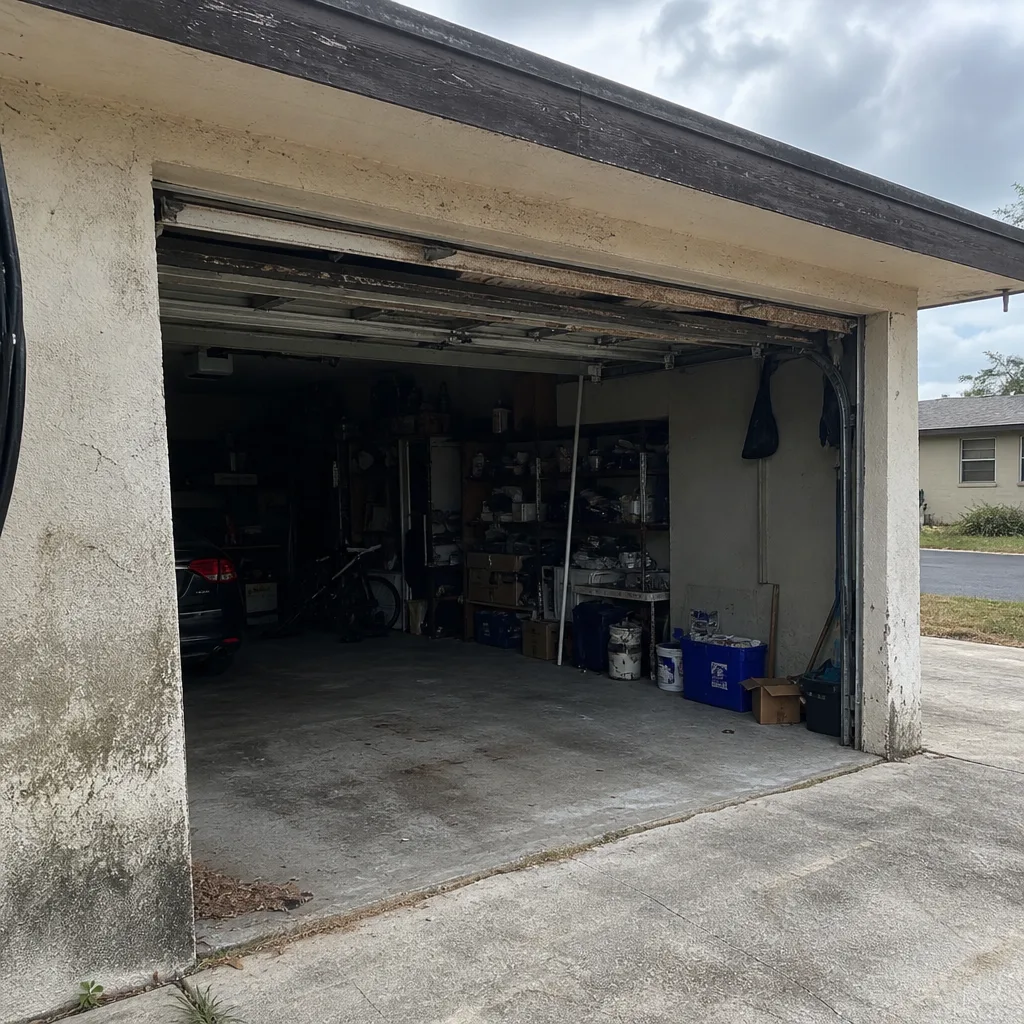 Before
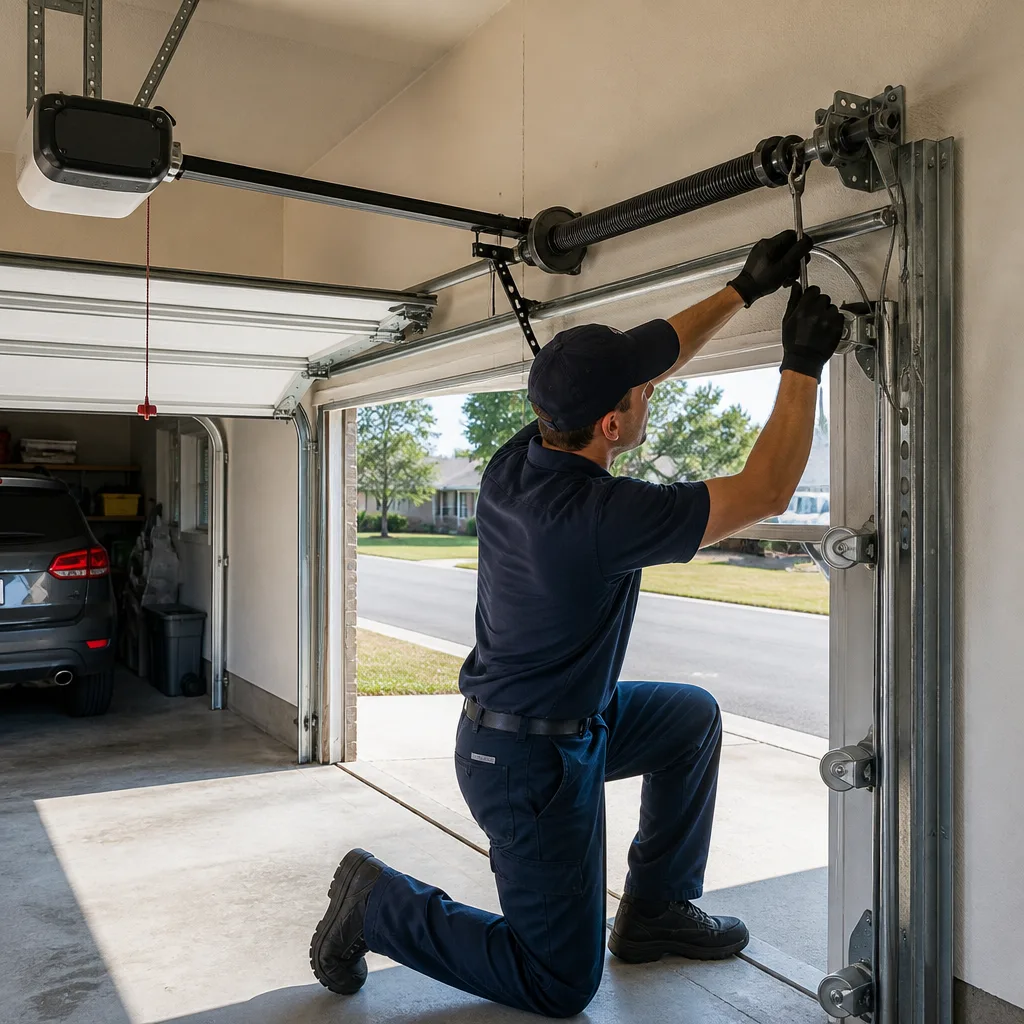 After
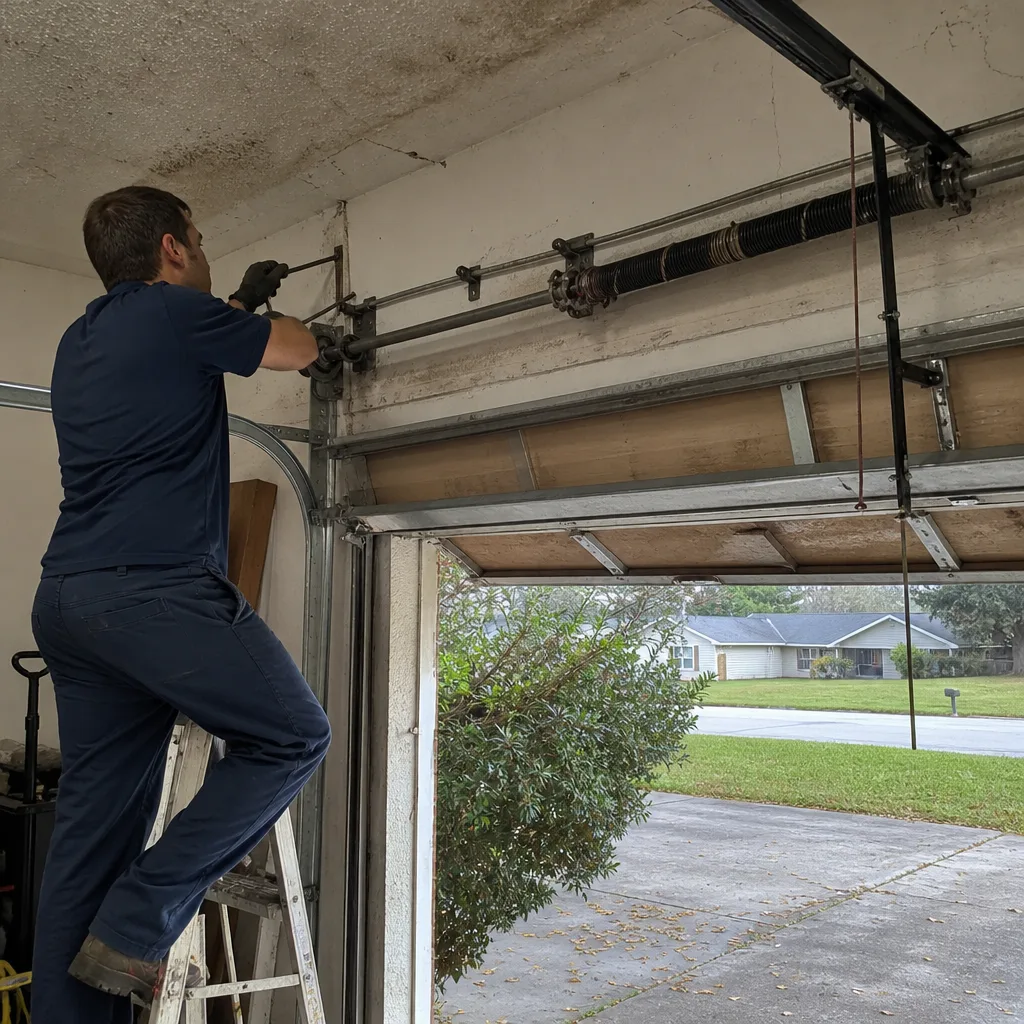 Before
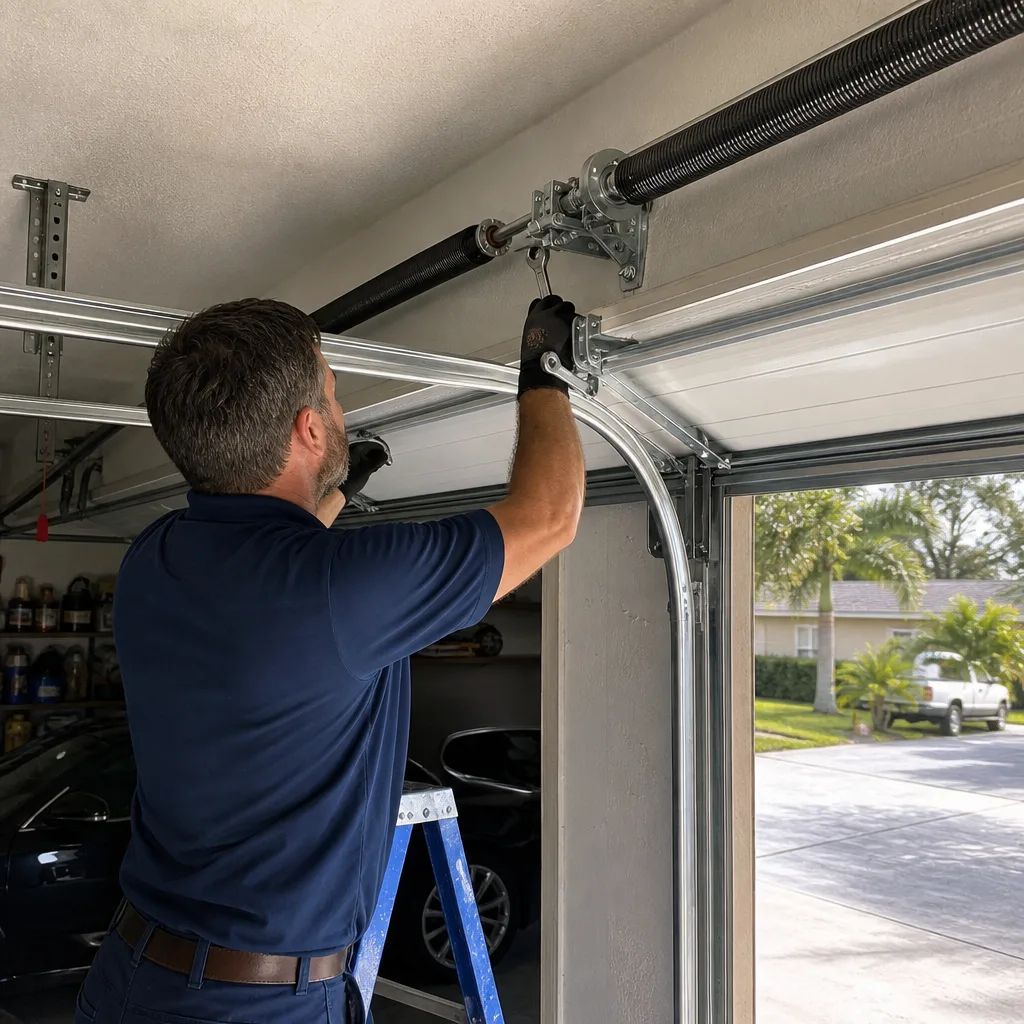 After
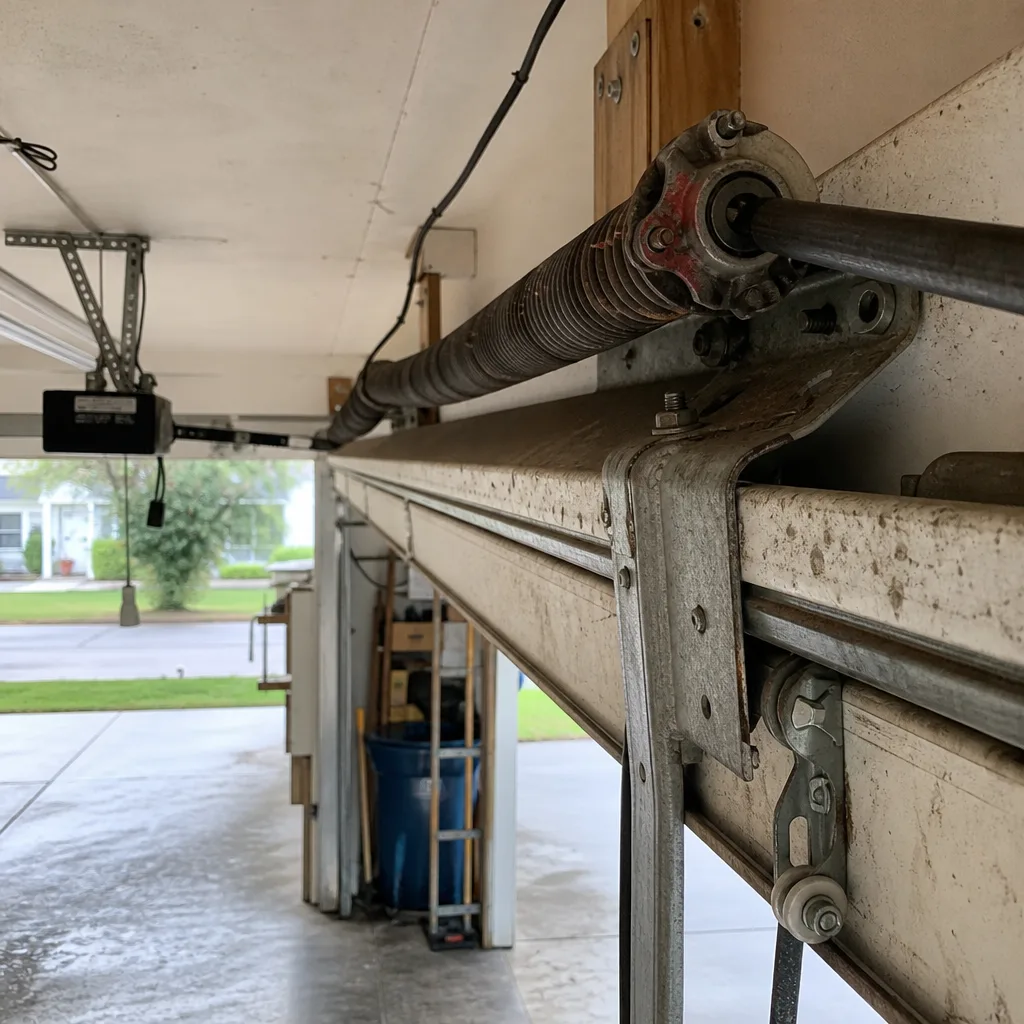 Before
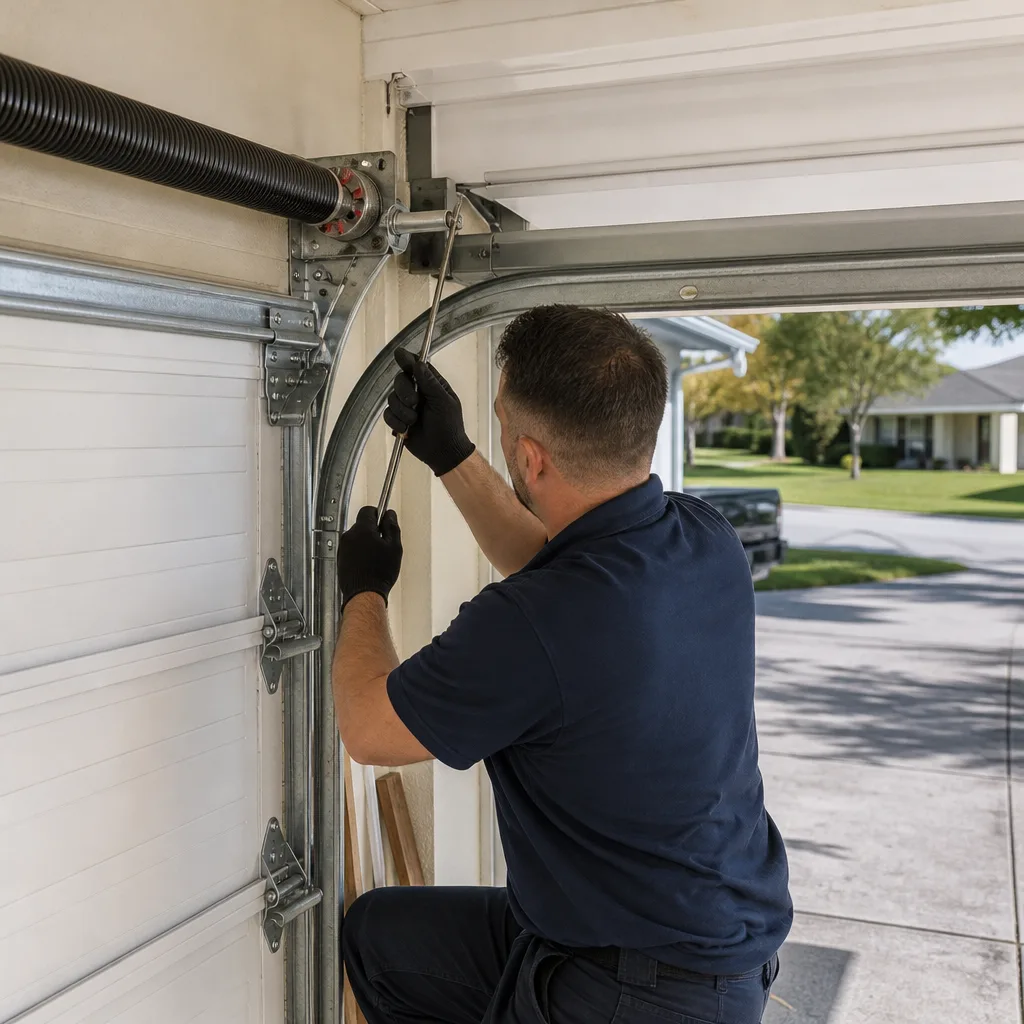 After