
Last updated October 30, 2026
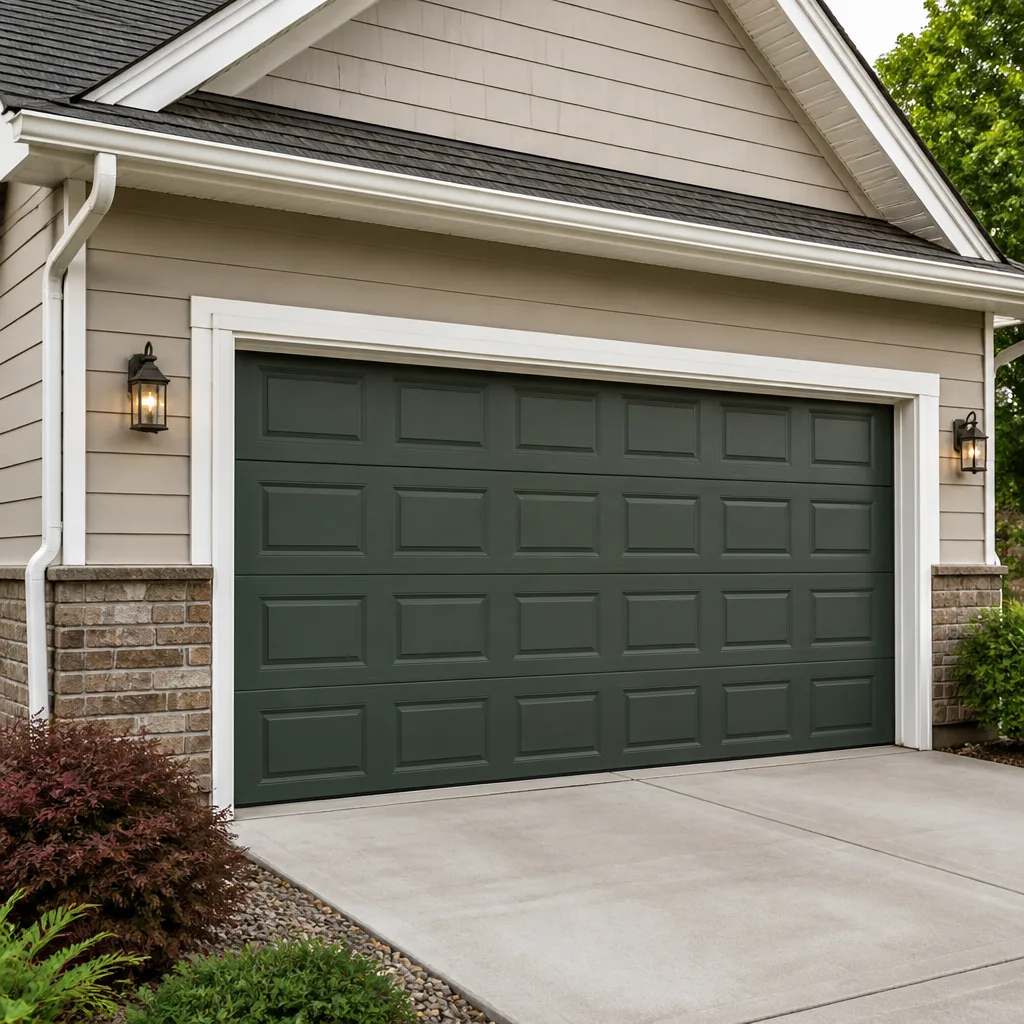 Raised-panel steel
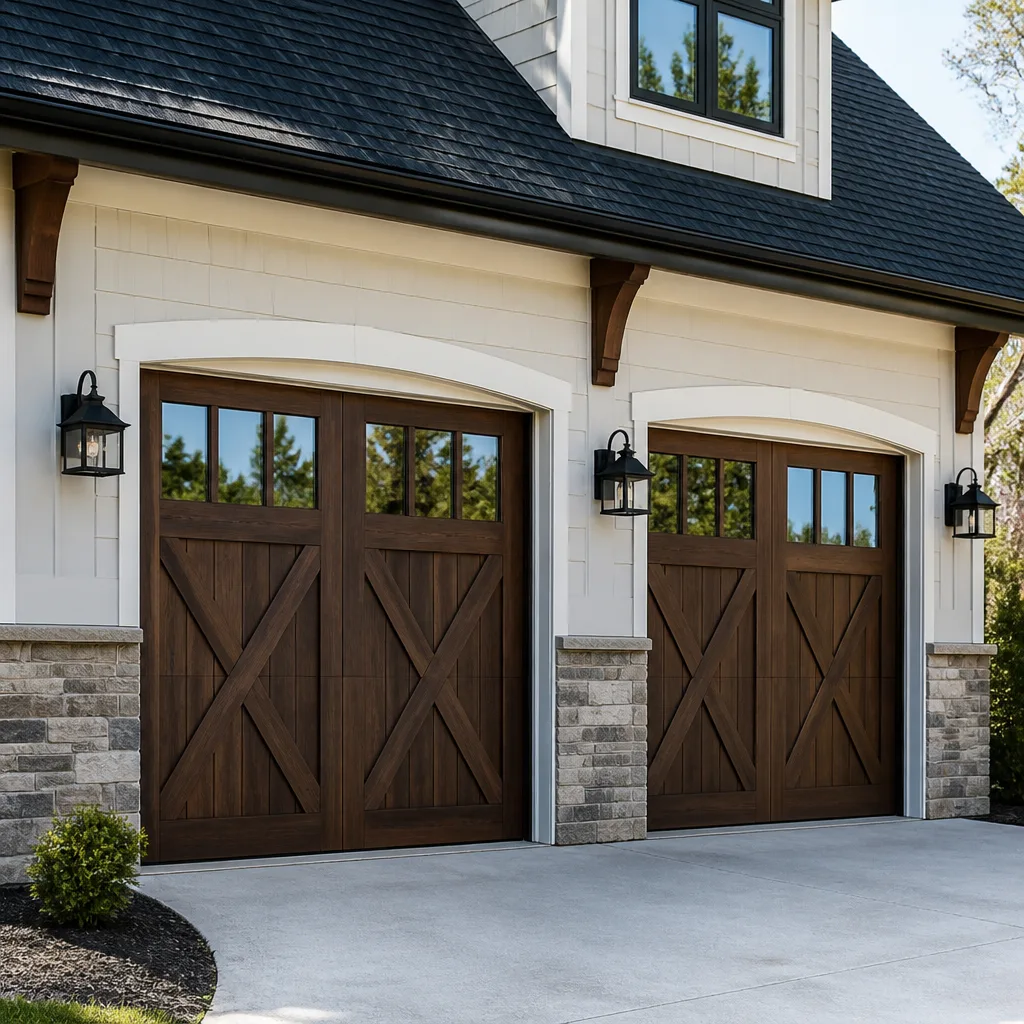 Carriage house
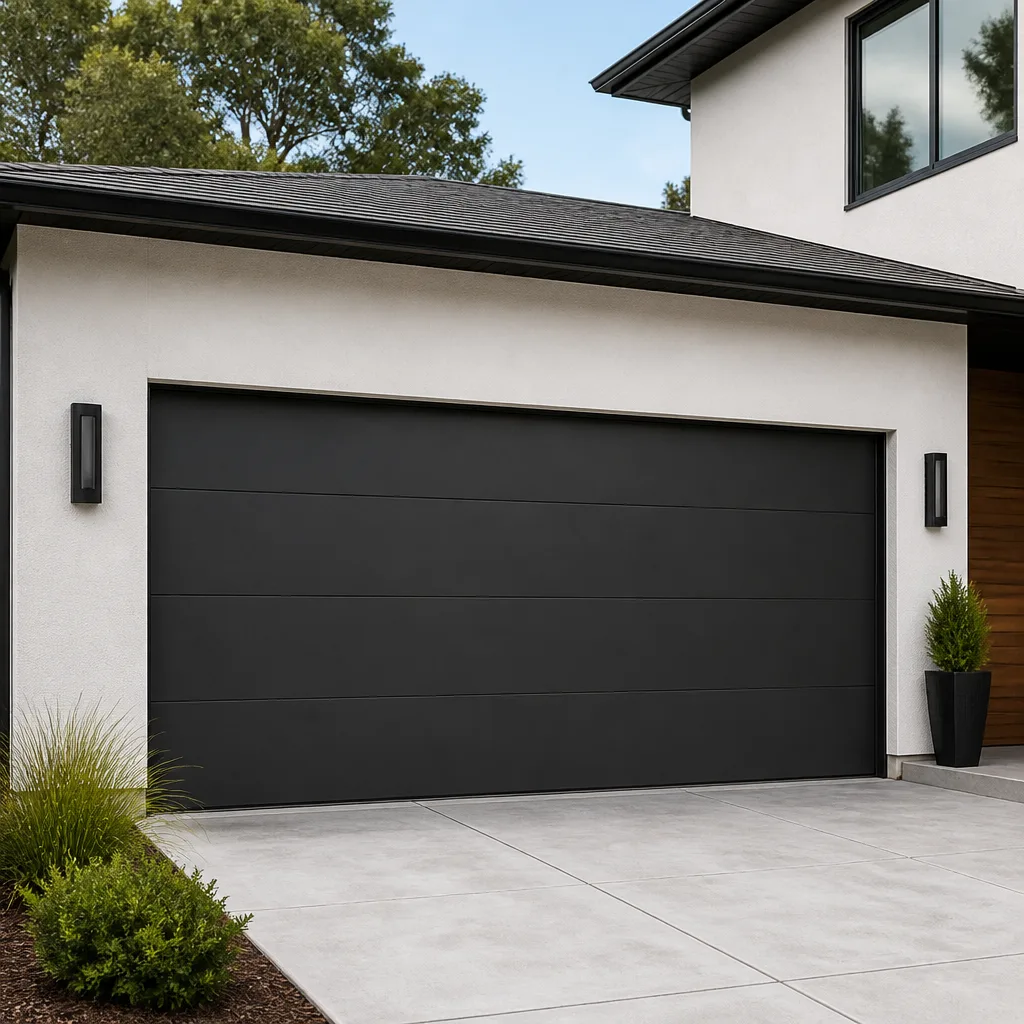 Modern flush
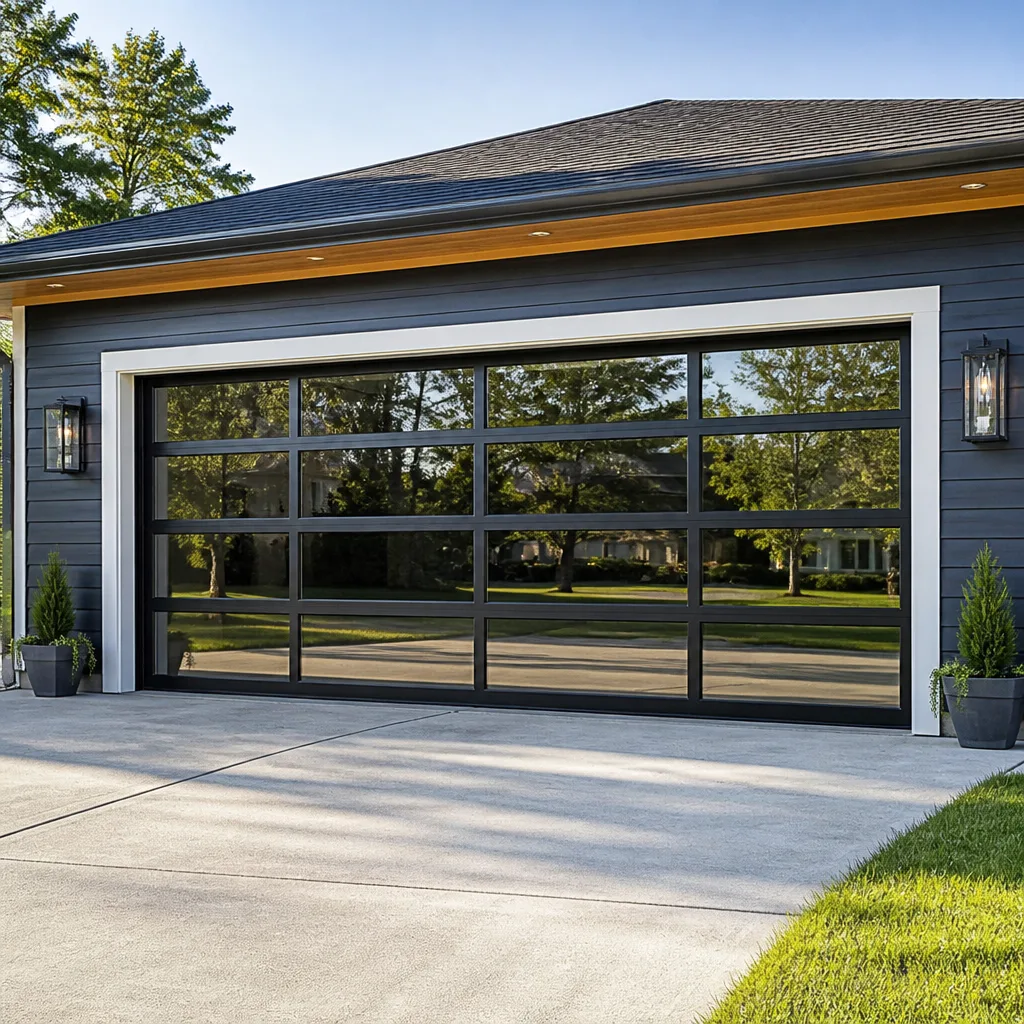 Full-view glass
 LiftMaster openers
 Chamberlain openers
Full 25-point door and opener safety check with every visit - springs, cables, rollers, tracks, and your LiftMaster or Chamberlain opener included
You get a price before we start. It does not change when the truck arrives.
Get your free estimateGarage Door Repair Maintenance Checklist for Lakeland Homeowners
Lubrication schedules printed on garage door manuals are written for Kansas City. Lakeland’s climate can cut spring life by 30% if you follow them blindly. Between the salt air drifting inland from the Gulf, the subtropical humidity that works its way into every hinge and roller, and the afternoon thunderstorms that hammer your door from June through September, your garage door ages differently in Polk County than it does almost anywhere else. This guide is a season-by-season maintenance checklist built specifically for Lakeland homeowners. You’ll learn what to check each month, what the humidity attacks first, when a DIY lube job makes things worse, and which skipped steps can void your warranty before you even know there’s a problem.
Styles & brands we work with
Quick Answer
A Lakeland-specific garage door maintenance checklist means checking springs, cables, rollers, and weather seals monthly, lubricating moving parts every 3 – 4 months with a lithium-based spray (never WD-40), and adding a post-storm inspection after any wind event over 40 mph. The subtropical climate means you should schedule a professional tune-up twice a year instead of once, because humidity accelerates corrosion on metal parts and breaks down rubber seals faster than manufacturer timelines account for. If you’re noticing issues between tune-ups, check our Garage Door Repair services to catch problems early.
Table of Contents
- Why Lakeland’s Climate Changes Your Maintenance Schedule
- Month-by-Month Maintenance Checklist for Lakeland
- The Three Components Humidity Attacks First
- How to Lubricate Without Making Things Worse
- Post-Storm Inspection Protocol
- Checklist Items That Affect Your Warranty
- Common Mistakes to Avoid
- When to Call a Professional
- Frequently Asked Questions
- The Bottom Line
Why Lakeland’s Climate Changes Your Maintenance Schedule
Most garage door maintenance guides assume four seasons and moderate humidity. Lakeland has two seasons, maybe three: hot and dry, hot and wet, and a couple of mild weeks in January if you’re lucky. The average relative humidity in Lakeland runs between 70% and 90% for most of the year. What that means for your garage door is straightforward: metal rusts faster, rubber degrades faster, and the expanding and contracting of materials from heat cycling happens daily rather than seasonally.
Salt air is the part most homeowners don’t think about. Lakeland sits about 40 miles from the Gulf, and the prevailing breezes carry enough salt to accelerate corrosion on exposed steel parts. It’s not beachfront-level salt, but it’s enough that uncoated springs and hardware rust noticeably within a few years. We see it on doors all over Lakeland, from older homes near Lake Morton to newer construction in the north side neighborhoods. The spring that would last 10,000 cycles in a dry climate might tap out at 7,000 here if it’s never cleaned or inspected.
The practical takeaway: manufacturers write maintenance schedules for average conditions. Lakeland is not average. Doubling your inspection frequency is not overkill; it’s the realistic adjustment for where you live.
For homeowners who want a deeper dive into how the local climate affects specific repair needs, our guide on Garage Door Repair in Dade City covers similar territory for communities just north of Lakeland.
Month-by-Month Maintenance Checklist for Lakeland
Rather than a generic spring/fall schedule, here’s what each month actually demands in Lakeland. The dry season (November through April) is your window for deeper maintenance. The wet season (May through October) is when you’re mostly monitoring and responding.
January: Full Inspection Month
- Open the door fully and examine springs from a safe distance with a flashlight. Look for rust, gaps in the coil, or any sign of separation.
- Check all cable runs for fraying, especially where cables wrap around the bottom roller brackets.
- Test the auto-reverse safety feature by placing a 2×4 flat under the door and closing it. The door should reverse within two seconds of contact.
- Inspect weather stripping along the bottom and sides. Cool, dry air in January is the best time to replace damaged seals.
February: Hardware Tightening
Thermal cycling through winter causes nuts and bolts to loosen. Go through every bracket, hinge, and track bolt with a socket wrench and snug them up. Pay special attention to the bolts that hold the track to the wall and the hinges connecting each door panel. A loose track in February becomes a derailed door by March.
March: Lubrication and Spring Prep
Apply lithium-based spray grease to rollers, hinges, and the torsion spring. We’ll cover the exact technique in the lubrication section below. March is also when Polk County’s pollen season peaks, and that fine yellow dust settles into your tracks and mixes with grease. Wipe down the inside of both vertical tracks with a dry rag after lubricating.
April: Balance Test and Seal Check
Disconnect the opener using the red emergency release cord, then lift the door manually to waist height and let go. A balanced door stays in place. If it falls or rises, the spring tension is off and you need a professional adjustment. Check your bottom seal for cracks before the daily rains start. A cracked seal in April means a flooded garage floor by June.
May: Pre-Storm Baseline
Take photos of your door from the outside and inside. You’ll want these for comparison after the first big storm. Verify that your opener’s battery backup works if you have one. Lakeland afternoon storms knock out power regularly, and a functioning battery backup is the difference between a minor inconvenience and a blocked car.
June through September: Monthly Storm Checks
After every wind event over 40 mph, run through the post-storm protocol below. Between storms, do a quick visual check twice a month: look for new rust spots, listen for grinding or squealing during operation, and test the auto-reverse feature once. The humidity this time of year means new problems appear in weeks, not months.
October: Deep Clean and Track Alignment
The wet season is winding down, and this is when you clean everything that accumulated grime over the summer. Vacuum out the tracks, wipe down all metal surfaces with a dry rag, and check that the vertical tracks are still plumb. A door that was fine in May and noisy by October usually has a track that shifted a fraction of an inch after months of soaked, expanding wall material.
November and December: Opener and Sensor Maintenance
Check the photo-eye sensors at the base of your door. Dust, spider webs, and humidity haze can block the beam and cause your door to reverse for no apparent reason. Clean both sensor lenses with a dry cloth. If your opener is chain-driven, check the chain tension. Belt-drive openers from LiftMaster or Chamberlain need less attention, but the accessory belts should be checked for cracking the same way you’d check a car belt.
For residents north of Highway 4, the seasonal patterns are nearly identical, and our Garage Door Opener Repair in Dade City page covers maintenance issues specific to opener systems in this part of central Florida.
The Three Components Humidity Attacks First
In our experience across Lakeland, three parts fail before anything else when humidity and salt air get involved. If you only check three things each month, check these.
1. Torsion Springs
The spring is the hardest-working part of your garage door, and in Lakeland it’s also the most exposed to environmental damage. Look for surface rust, which starts as small orange dots and spreads into pitting. Rust creates weak points in the metal, and a spring under tension that develops a weak point will eventually snap. Signs to watch for: visible rust patches, a 1/8-inch gap opening between coils, or a door that feels heavier than it used to. A snapping torsion spring is loud and dangerous. Never attempt to adjust or replace one yourself. If you see rust forming, a professional can clean and re-lubricate the spring to extend its life. For a full list of warning signs specific to this area, read our Garage Door Warning Signs: A Lakeland Homeowner’s Reference Guide.
2. Cables
The steel cables running along both sides of your door carry the spring’s tension. In humid air, the cable starts to fray at stress points, especially where it wraps around the drum at the top of the door and the bottom roller bracket. Look for individual wire strands poking out, a flattened cable shape instead of a round one, or discoloration that suggests oxidation. A frayed cable is a countdown to failure. If you spot it early, replacement is straightforward and inexpensive. If you miss it, the cable snaps under load, the door slams down unevenly, and you’re looking at panel damage on top of the cable repair.
3. Rubber Weather Seals
The rubber seals along the bottom, sides, and top of your door are the first casualty of subtropical sun and humidity. Rubber breaks down through a process called dry rot, accelerated by ozone and heat. You’ll see cracking, hardening, and eventual crumbling. A failed bottom seal lets water, insects, and hot humid air into your garage. In Lakeland, where the summer rain comes hard and fast, a missing chunk of bottom seal can turn a garage into a wading pool. Seals are cheap and easy to replace once a year, and they’re the single best thing you can do to keep moisture damage out of everything else in your garage.
How to Lubricate Without Making Things Worse
Here’s the part where well-meaning maintenance goes wrong. The wrong lubricant on the wrong part causes more damage than no lubricant at all.
What Never to Use
- WD-40: WD-40 is a solvent, not a lubricant. It strips away existing grease and leaves metal surfaces dry. Within weeks, parts that were quiet start squealing. On springs, it can accelerate rust because it removes the protective coating.
- Grease on rollers: Heavy grease attracts dust and pollen. In Lakeland, where spring pollen falls like snow, greased rollers become coated in a paste that grinds down the nylon.
- Motor oil or penetrating oil on hinges: These drip, run, and stain the door panels. They also don’t stay where you need them.
What to Use and Where
- Torsion spring: White lithium spray grease. Apply a light, even coat along the entire spring while the door is closed. Wipe off the excess with a rag. Do this every 3 – 4 months.
- Hinges and rollers: A spray silicone lubricant. Target the hinge pivot points and the roller stems. Do not spray the roller bearings inside the track; use the straw applicator and be precise.
- Track: Nothing. Tracks should be clean and dry. Lubricating the track is a common mistake that causes rollers to slip and reduces the door’s ability to hold position.
- Lock and key cylinder: Graphite powder once a year. Liquid lubricants in a lock collect dust and gum up the mechanism.
For LiftMaster, Craftsman, and Raynor branded doors and openers, the lubrication points are the same. The brand doesn’t change the physics. What changes is the quality of the original hardware: some brands use sealed bearings that need less attention, and others have exposed rollers that need more frequent checks. If you’re unsure what type of rollers your door uses, a professional can identify them in about five seconds.
Post-Storm Inspection Protocol
Lakeland gets its share of tropical systems and daily summer thunderstorms. After any wind event over 40 mph, run through this checklist before you assume the door is fine.
Step 1: Visual Exterior Check
Stand back and look at the door as a whole. Is it sitting square in the opening? Are there new dents or dings from flying debris? Does anything look shifted compared to your pre-storm photos from May?
Step 2: Track Alignment Check
Close the door and examine each side track. A wind-driven impact can shift the track by a quarter inch without causing immediate operation problems. Use a level against both vertical tracks. If the bubble doesn’t center, the track needs adjustment before the next use.
Step 3: Cable and Spring Check
High winds put sudden lateral stress on cables. Look for any new fraying or a cable that looks like it jumped a groove in the drum. Check springs for new gaps or rust lines that appeared overnight. Storm-driven rain can flash-rust exposed steel parts quickly.
Step 4: Seal Integrity
Wind-driven rain finds every gap. Check the bottom seal and side seals for new splits or sections that pulled away from the frame. Even a half-inch gap between seal and door frame lets sideways rain through.
Step 5: Test Operation With Caution
Run the door through a full open-close cycle. Listen for new sounds: grinding, popping, or scraping that wasn’t there before. If anything sounds wrong, stop using the door and call a professional. Small post-storm issues become expensive repairs when the door is run daily in its damaged condition.
Checklist Items That Affect Your Warranty
Garage door and opener warranties are not unconditional. Skipping specific maintenance steps or doing them incorrectly can void your coverage, and most Lakeland homeowners don’t realize this until a claim is denied.
Items That Void Warranties When Skipped
- Annual balance test: Most manufacturers require proof of an annual door balance check. If a spring fails early and you can’t show maintenance records, the warranty claim is denied.
- Lubrication intervals: Some warranties specify lubrication every 90 days. A door that shows evidence of running dry, like worn roller stems or a rusty spring, will have parts failures blamed on neglect.
- Safety sensor testing: Openers from major brands, including LiftMaster and Raynor, require monthly auto-reverse and photo-eye testing. A failure of these systems, combined with skipped testing, puts the warranty and potentially the homeowner at risk.
Items That Void Warranties When Done Wrong
- Using the wrong lubricant: Spraying WD-40 on springs or hinges leaves evidence. If a spring fails and the manufacturer inspects it, the presence of solvent residue is grounds for denying the claim.
- Adjusting springs yourself: Torsion springs are under extreme tension. Any sign of homeowner adjustment, including witness marks on the winding cone, voids the spring warranty immediately.
- Modifying tracks or hardware: Drilling new holes in tracks, using non-standard bolts, or bending brackets to “make it work” invalidates the door’s structural warranty.
The practical advice: keep a simple maintenance log. A dated photo of your spring and cables once a month is enough to establish a maintenance pattern if a warranty claim ever comes up. It takes 30 seconds and it’s worth more than most people expect when a $400 spring fails at year five instead of year ten.
If you’re considering a full door replacement rather than continuing to maintain an aging system, our Garage Door Installation in Dade City page walks through what a professional install actually involves in this part of Florida.
Common Mistakes to Avoid
- Lubricating the track. Tracks are meant to be clean and dry. Grease or oil in the track attracts grime, reduces roller traction, and can cause the door to jam. Wipe tracks clean; never spray them.
- Ignoring a slightly noisy door. A door that starts squeaking in May and gets ignored becomes a seized roller or broken spring by August. Noise is the first indicator of a problem, and in Lakeland’s humidity, problems compound fast.
- Replacing only one spring when both are worn. If you have a two-spring system and one snaps, the second spring is usually near the end of its life too. Replacing both at once costs less than two separate service calls and keeps the door balanced.
- Using the door manually after a spring breaks. A garage door without spring tension weighs 130 to 400 pounds. Trying to lift it manually is a fast route to a back injury or a door falling on you. Disconnect the opener, leave the door down, and call for repair.
- Delaying a seal replacement because “it’s just a little crack.” In Lakeland, a small crack in a bottom seal is an entry point for Florida rain, snakes, palmetto bugs, and hot humid air. A $20 seal replacement prevents hundreds in water damage to whatever you store on the garage floor.
- Testing the auto-reverse feature occasionally instead of monthly. Safety sensors degrade slowly. A sensor that worked in March can fail silently by July. The photo-eye lenses get dusty, the wiring corrodes in humidity, and the system stops functioning without any visible warning. Monthly testing catches this before it matters.
When to Call a Professional
Some maintenance tasks are DIY-appropriate. Others carry real risk. Torsion springs are under enough tension to cause serious injury or death if mishandled. Cable replacement involves the same tension system. Any problem involving the spring assembly, the cable drums, or a door that’s come off its tracks should go straight to a professional. The same applies to any opener electrical issue beyond replacing the remote batteries. If your door is over 15 years old, a professional inspection twice a year is worth the call fee just for the early warning on springs, cables, and opener motor wear. Stonebridge Garage Door Repair offers free estimates in Lakeland – call (833) 589-8630, and we’ll tell you what’s actually wrong before quoting any work.
Frequently Asked Questions
Every 3 – 4 months is right for Lakeland’s humidity, which works out to three or four times a year. Use white lithium spray on the torsion spring and silicone spray on hinges and rollers. Never use WD-40, which strips lubricant and accelerates rust on exposed metal parts. Call (833) 589-8630 if you’re not sure whether a specific sound means you need more than lubrication.
Rust spots on the spring coil, a visible gap between coils, a door that feels heavy when you lift it manually, or a loud bang during operation are the four signs to watch. The average torsion spring in Lakeland lasts 7 – 10 years if maintained, but shorter if rust is left untreated. A broken spring means the door won’t lift, and it should not be forced.
Yes, with limits. You can safely check for visible dents, seal gaps, and shifted tracks, and you can test the door through a full cycle listening for unusual sounds. Do not attempt to adjust springs, cables, or tracks yourself after a storm. If anything looks off, call a professional. Storm damage left unaddressed tends to compound when the door runs daily in a compromised state.
Yes. Most manufacturers require annual balance testing and regular lubrication as a condition of warranty coverage. Using the wrong lubricant or attempting DIY spring adjustment can void the warranty entirely. Keep a simple log with dated photos of your spring, cables, and seals. It’s the simplest way to preserve your coverage if a parts failure ever happens.
A door that starts making new sounds is always a sign of something changing. Squeaking usually means dry hinges or rollers. Grinding indicates worn roller bearings. Popping at the spring means the coil is binding. Each has a different fix, but all are cheaper when caught early. Ignoring noise until it becomes a visible failure is the most expensive pattern we see in Lakeland homes.
A professional tune-up in Lakeland typically runs $89 – $149, which includes spring inspection, hardware tightening, lubrication, balance testing, and safety sensor testing. It’s the single best return on investment you can make for a mechanical system that cycles 1,500 times a year. Call (833) 589-8630 for a free estimate and up-front pricing before any work is scheduled.
The Bottom Line
Lakeland’s climate changes the maintenance math on garage doors. The humidity, the salt air, and the storm season accelerate wear on springs, cables, and seals beyond what manufacturer guidelines assume. Checking your door monthly, lubricating it every 3 – 4 months with the right products, and running a full inspection after any wind event over 40 mph will extend the life of your system by years. When you hit something outside the maintenance scope, a specialist can identify the problem fast and fix it right the first time. For more guides & resources on keeping your door running smoothly, explore our blog. Garage doors are all we do, and we work with whatever brand is already installed on your Lakeland home.
Written by the team at Stonebridge Garage Door Repair, serving Lakeland since 2015. For more about how we work with specific brands like LiftMaster, Chamberlain, Genie, and Wayne Dalton, visit the Stonebridge Garage Door Repair home page or call (833) 589-8630 for a free estimate.
See the difference
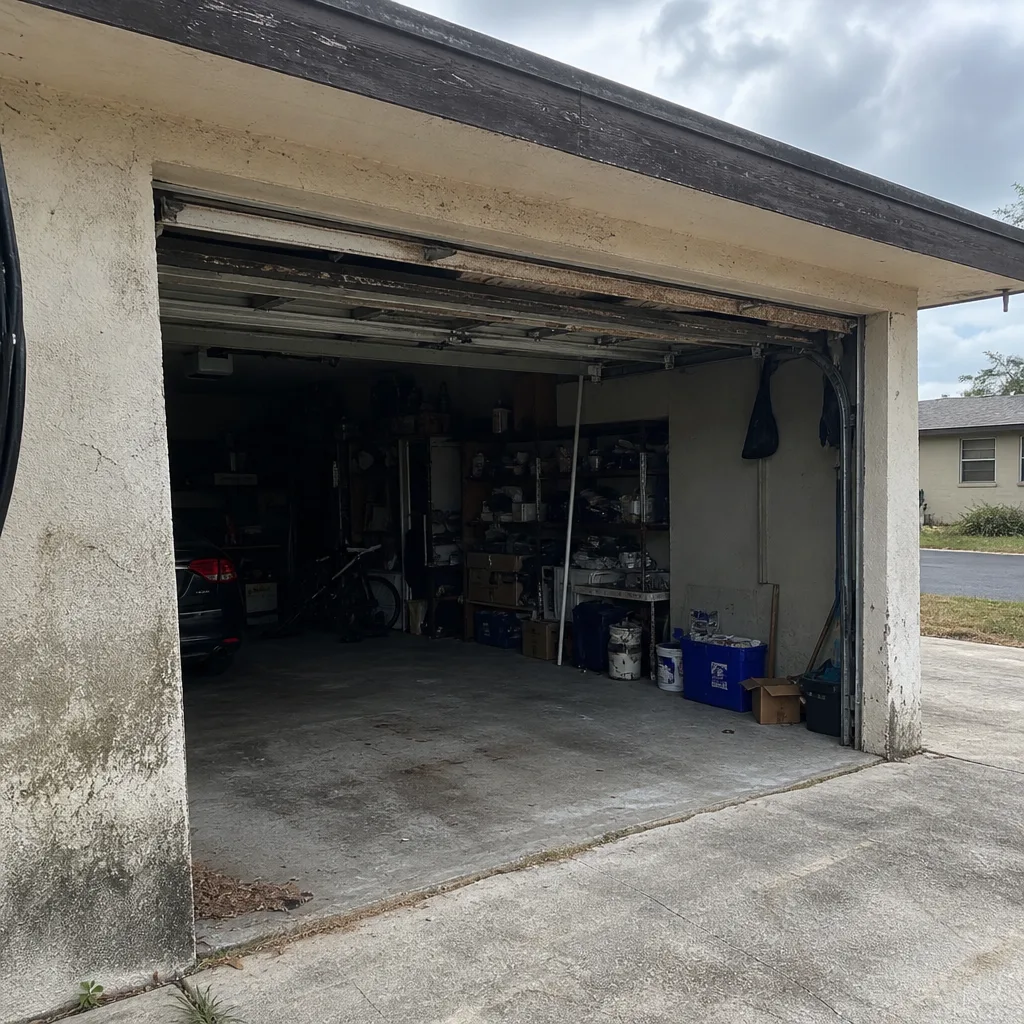 Before
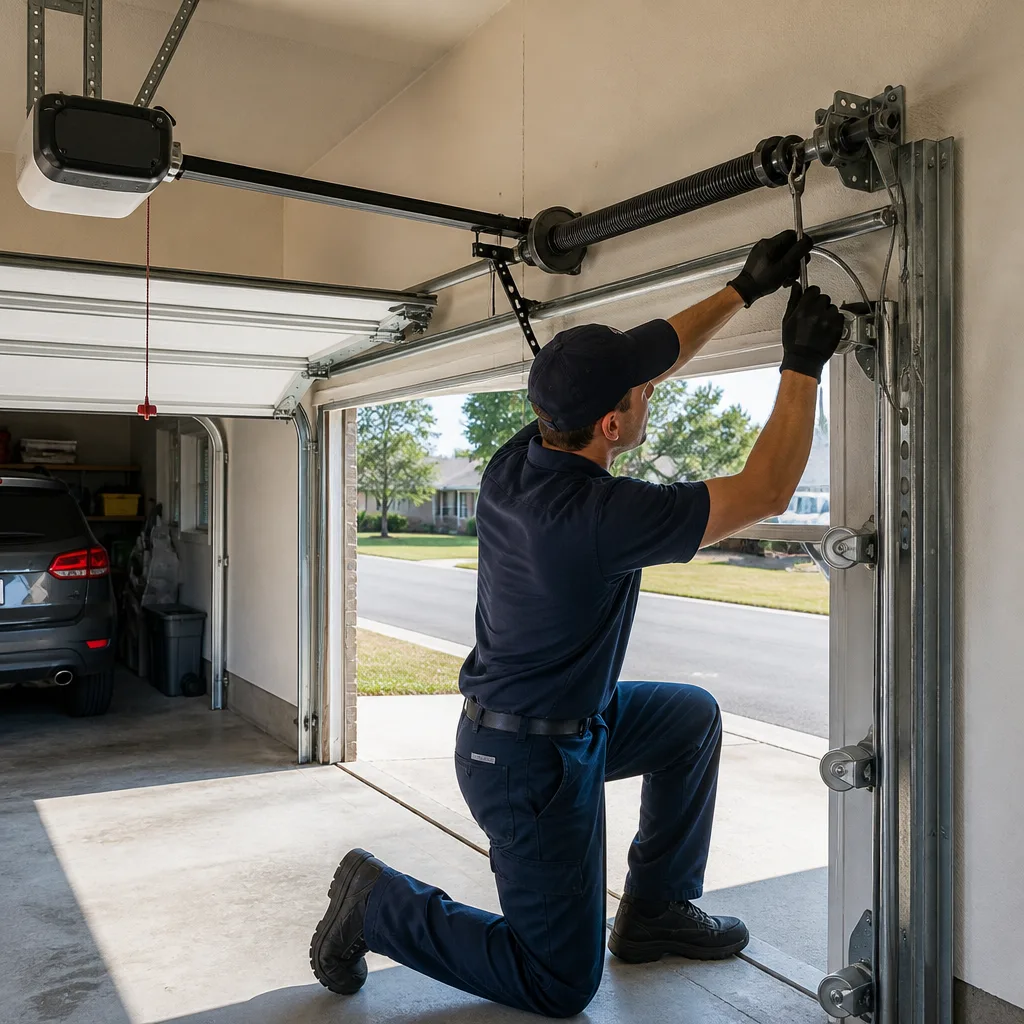 After
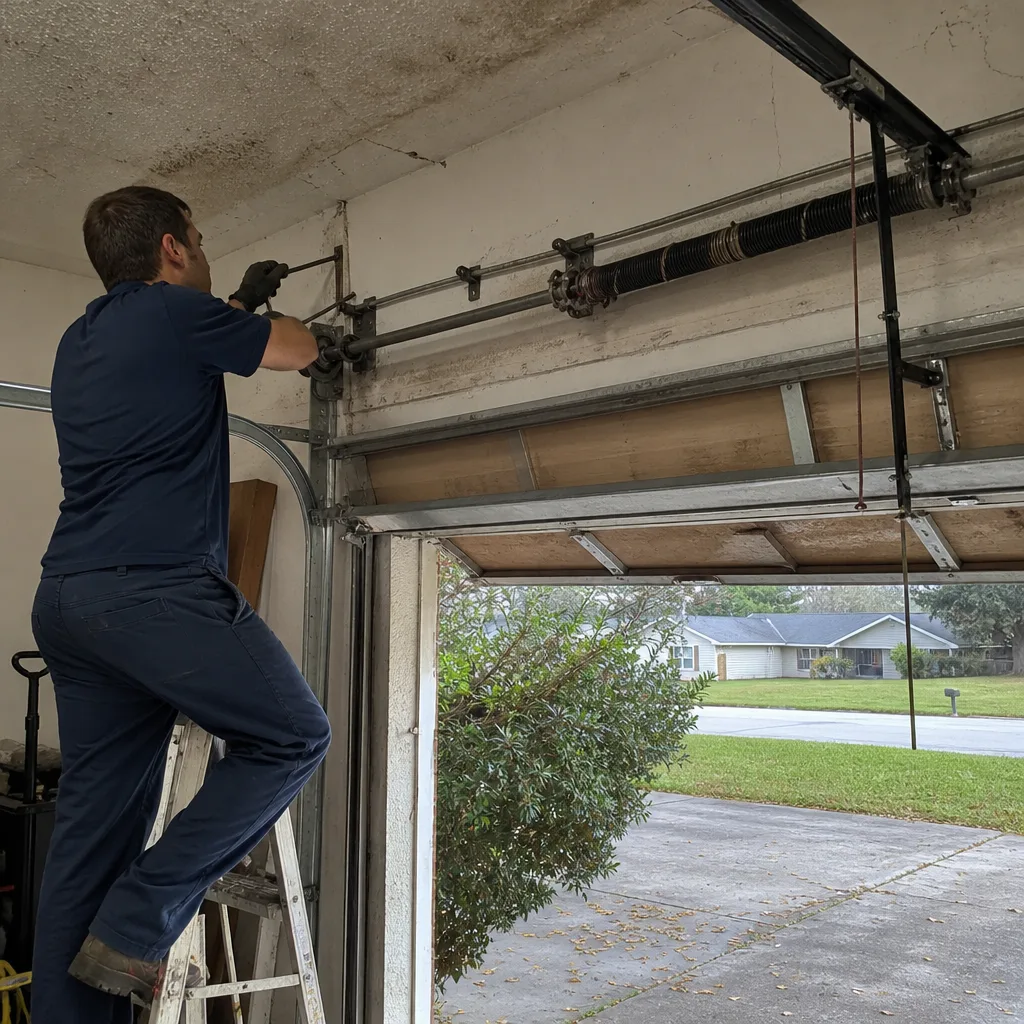 Before
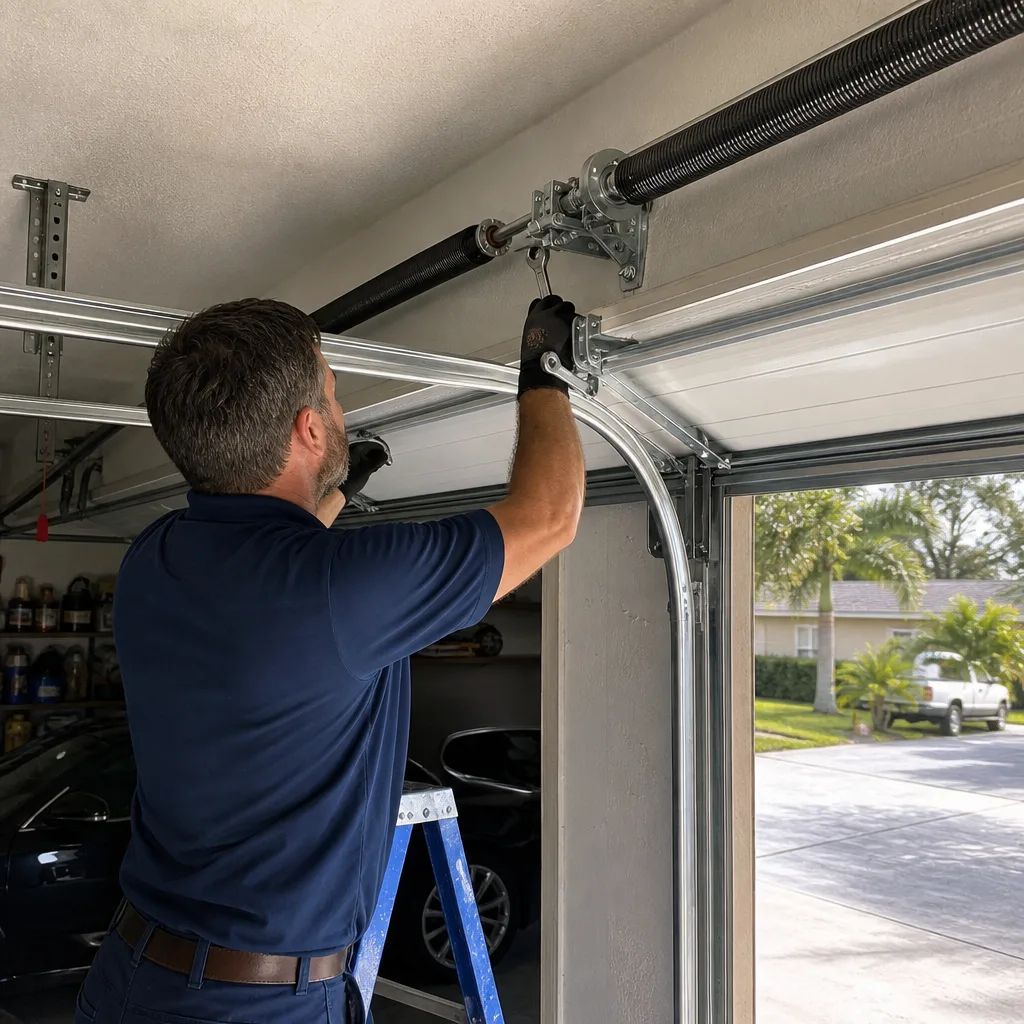 After
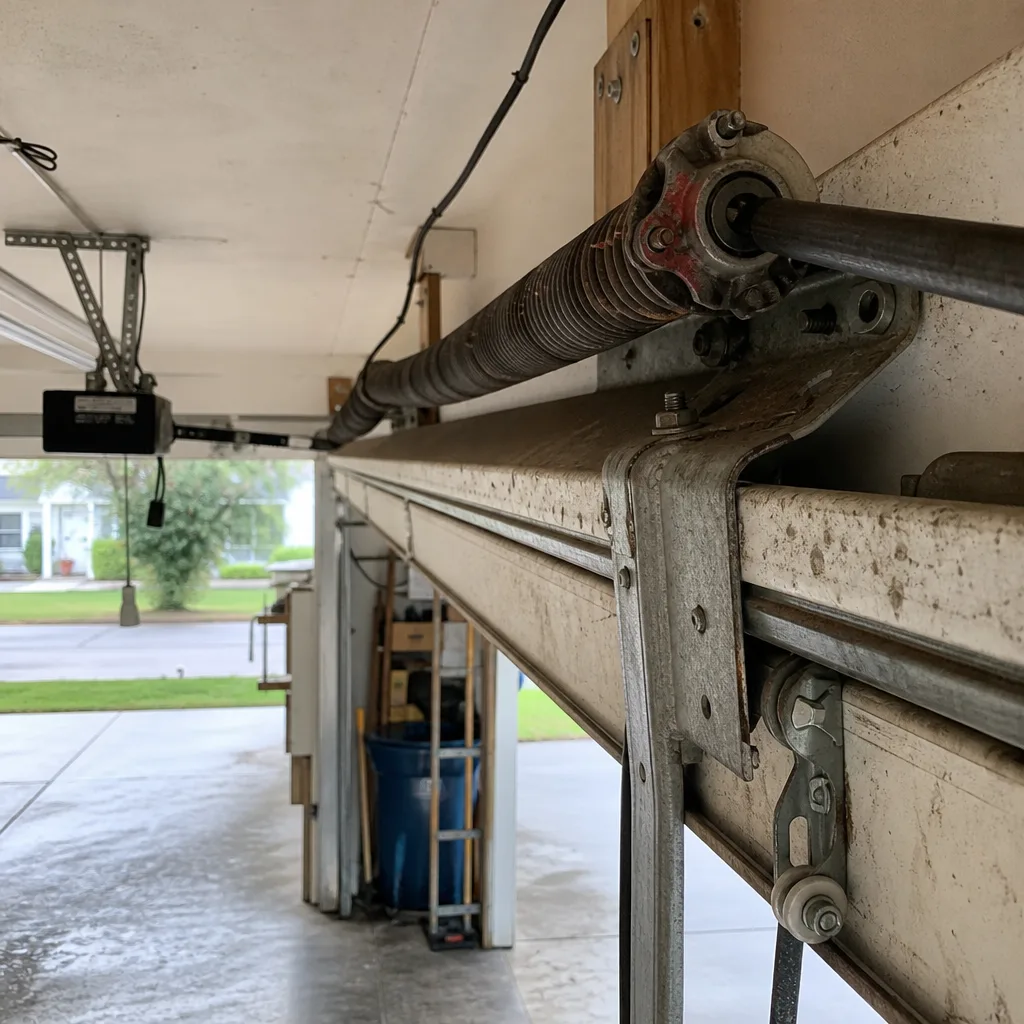 Before
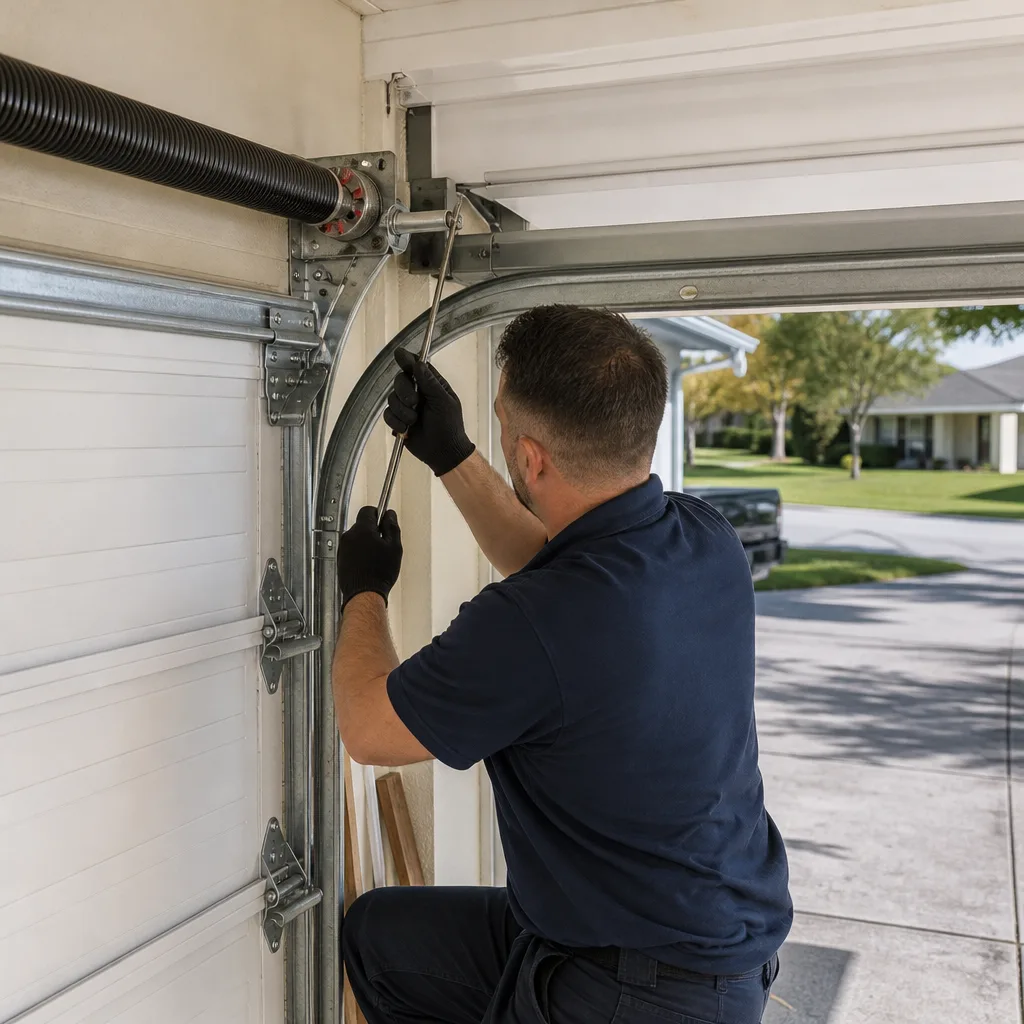 After