
Last updated October 30, 2026
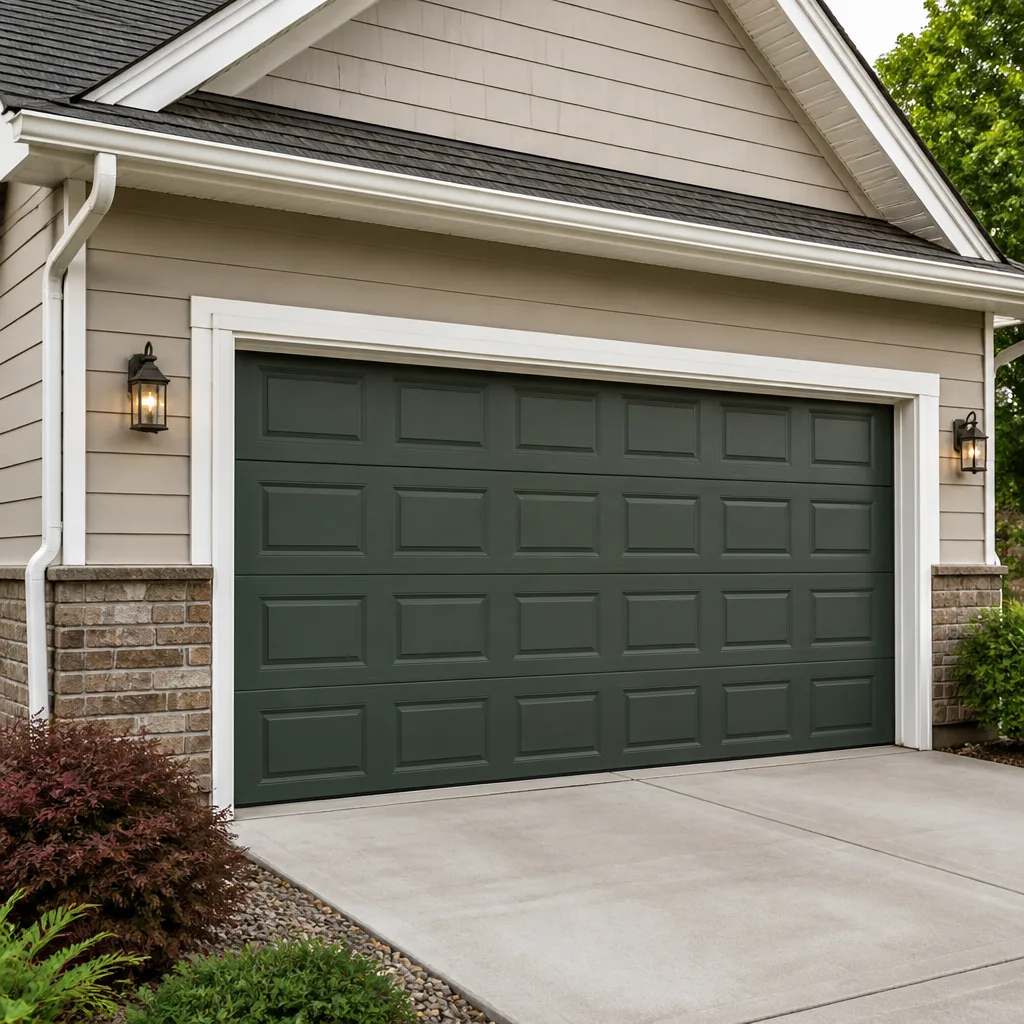 Raised-panel steel
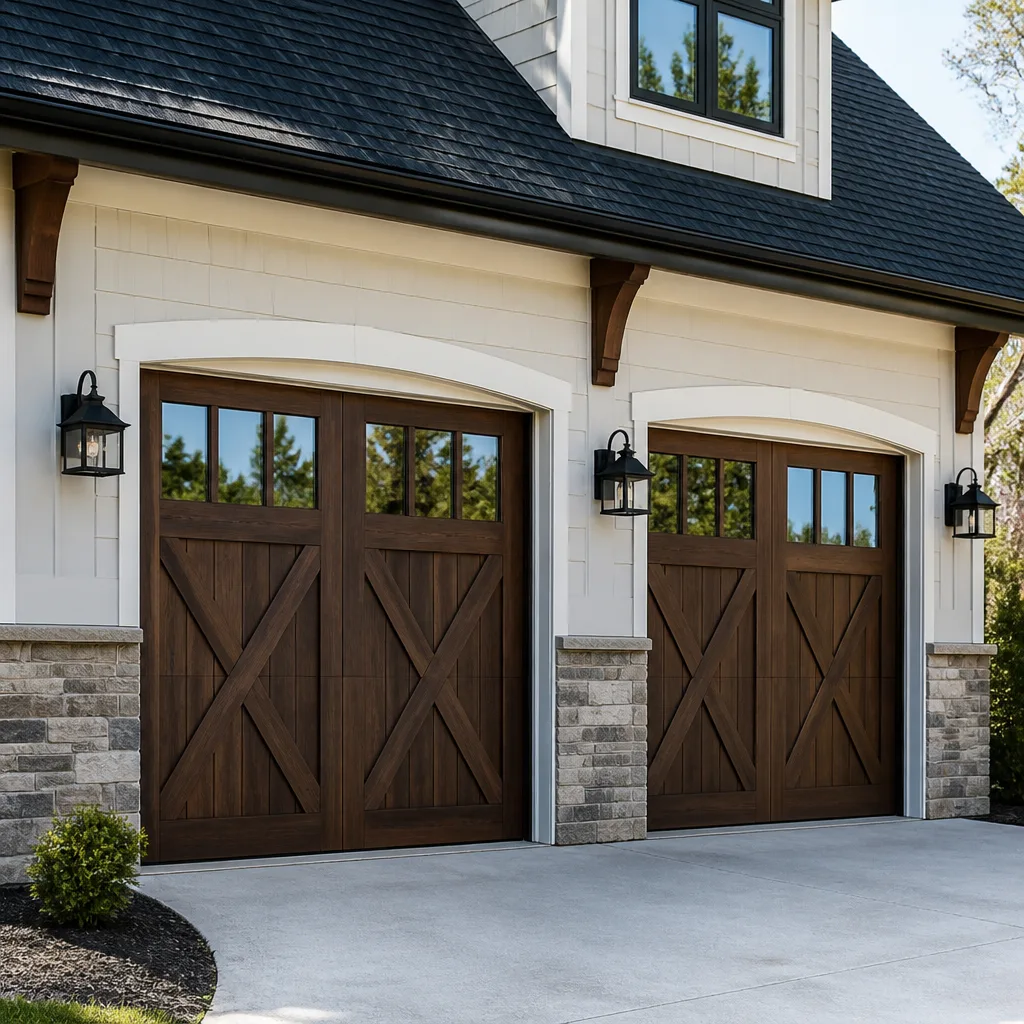 Carriage house
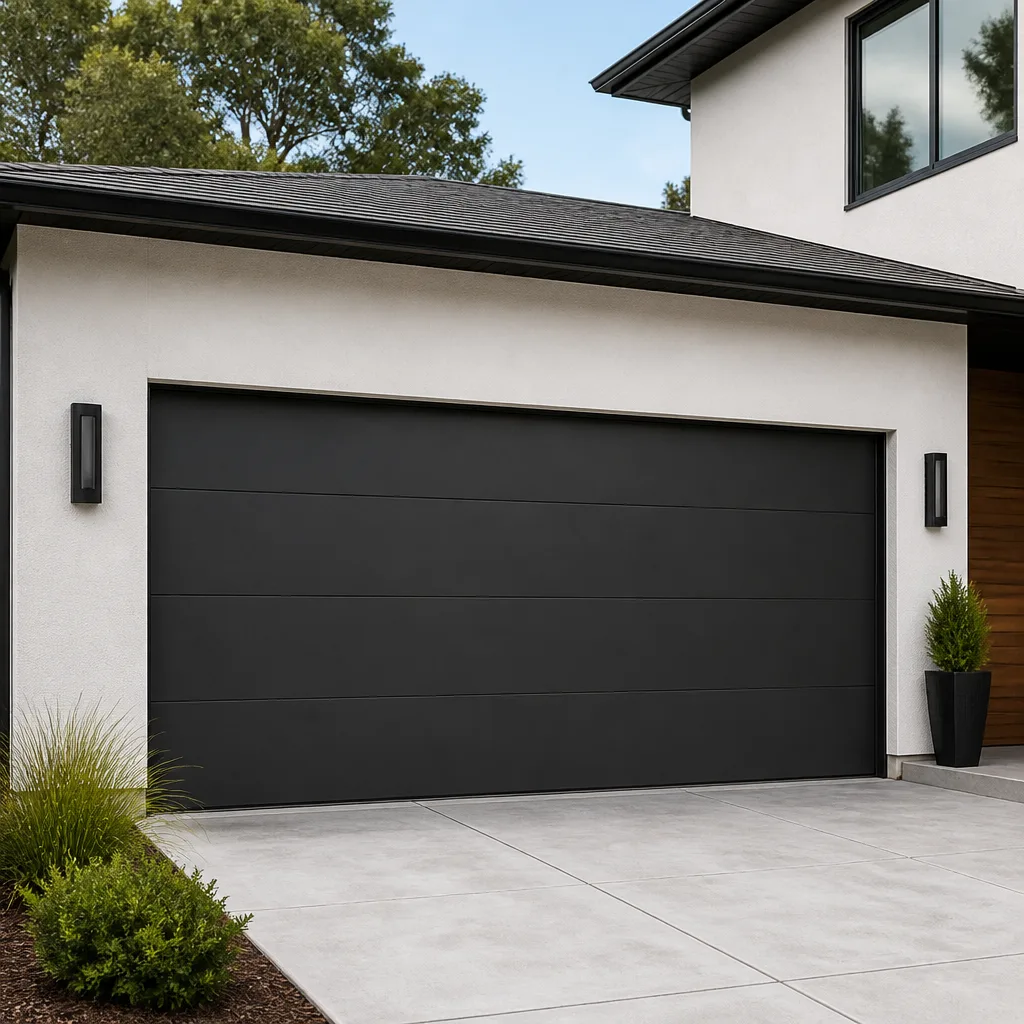 Modern flush
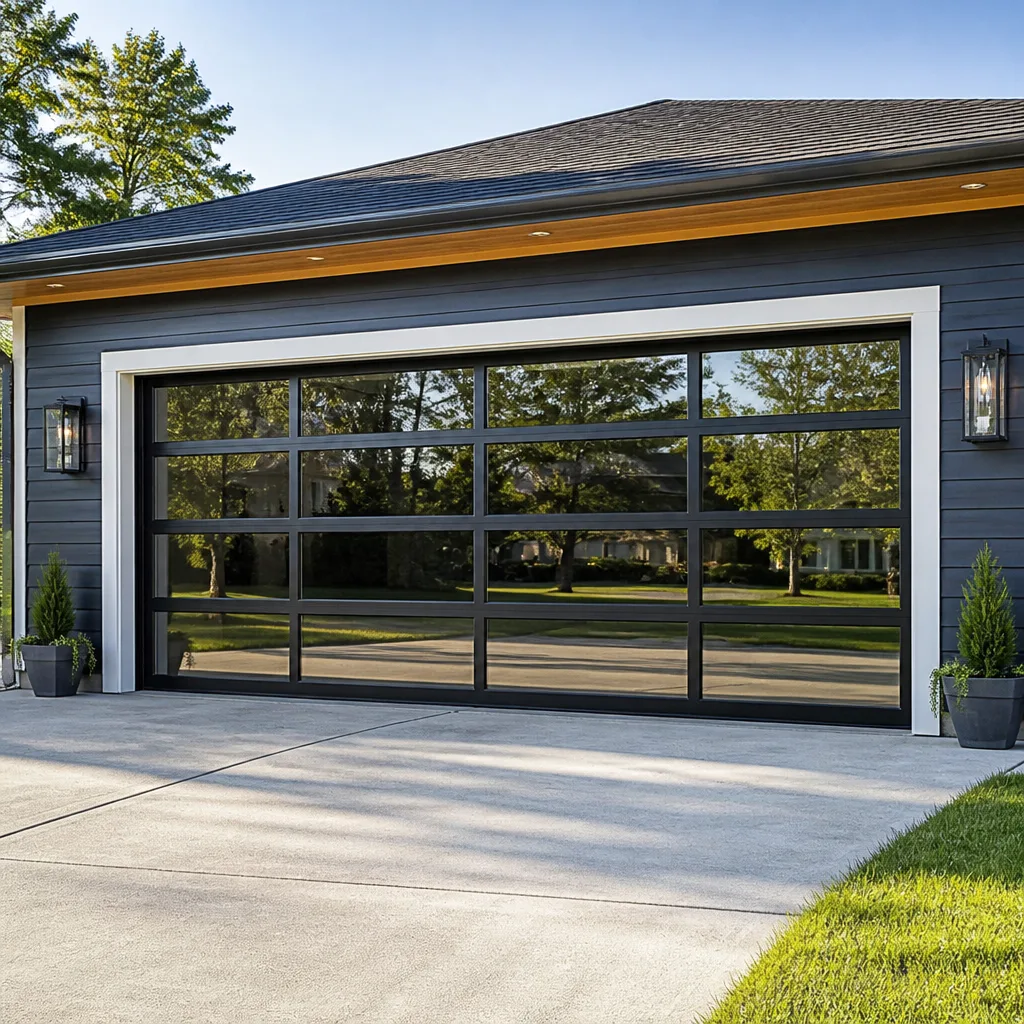 Full-view glass
 LiftMaster openers
 Chamberlain openers
Full 25-point door and opener safety check with every visit - springs, cables, rollers, tracks, and your LiftMaster or Chamberlain opener included
You get a price before we start. It does not change when the truck arrives.
Get your free estimateGarage Door Permits, Codes & Inspections in FL: What You Need to Know
A garage door installed without a permit in Florida isn’t just a code violation – it’s a liability that sits in your home’s title history and surfaces during every future sale or insurance claim. Homeowners in Lakeland and across the state routinely discover this too late, usually after a hurricane season inspection or when a buyer’s title search flags the missing paperwork. This guide explains the Florida building code sections that govern garage doors, the state’s product approval system, the permit process in Polk County and surrounding areas, and exactly what an inspector looks for during a garage door inspection. For more guides & resources, including our full Garage Door Repair Maintenance Checklist for Lakeland Homeowners, see our blog. You’ll also learn how unpermitted work can void a homeowner’s insurance claim after a storm, and what it takes to bring an existing door back into compliance.
Styles & brands we work with
Quick Answer
In Florida, a permit is required for most garage door replacements and any new installation because garage doors are classified as part of the building’s exterior envelope and must meet wind-load standards under the Florida Building Code. The specific code sections are Florida Building Code (FBC) Residential Chapter 6, Section 612 for garage doors, and FBC Section 105 for permits. A compliant door carries a Florida Product Approval sticker or a Miami-Dade NOA (Notice of Acceptance), and the final installation must pass an inspection verifying anchorage, wind-load rating, and safety reverse systems.
Table of Contents
- When Does a Garage Door Require a Permit in Florida?
- The Florida Product Approval System and What That Sticker Actually Certifies
- The Permit Process in Polk County and Lakeland: Step by Step
- Wind-Load Standards: Why Florida Codes Are Stricter Than Most States
- What Inspectors Actually Check During a Garage Door Inspection
- Unpermitted Work, Insurance Claims, and Resale Disclosure in Florida
- Common Mistakes to Avoid
- When to Call a Professional
- Frequently Asked Questions
- The Bottom Line
When Does a Garage Door Require a Permit in Florida?
Florida treats a garage door as a structural component of the home’s exterior envelope, not a cosmetic fixture. That classification triggers permit requirements that surprise many homeowners. The governing rule is Florida Building Code, Residential, Section R105.1, which states that any work that alters the structure or affects the building’s wind resistance requires a permit. A garage door replacement qualifies because the door, its tracks, and its anchorage system are part of the home’s wind-load resistance assembly.
Specifically, Florida Building Code, Residential, Chapter 6, Section R612 covers exterior garage doors and requires that all doors be tested and approved for wind-load resistance appropriate to the home’s location on the Florida wind-speed map. Lakeland sits in a wind-borne debris region, which means doors installed here must resist not just wind pressure but also impact from flying debris during a hurricane or severe thunderstorm. This is not a Lakeland-only rule; it applies statewide, but the enforcement level in Polk County has tightened considerably since Hurricane Irma exposed widespread unpermitted door installations across Central Florida.
The practical answer to “when does a permit apply” is this: any time a garage door is removed from its opening and replaced, any time a new door is installed in a new opening, or any time the door’s structural anchorage is modified, a permit is required. Replacing a garage door opener alone, when the door itself is not altered, typically does not require a permit under Florida code, because the opener is an appliance rather than a structural component. Replacing rollers, hinges, or weatherstripping without touching the door assembly or anchorage also falls outside permit requirements. But replacing the door panel assembly, the tracks, or the header anchorage system does require one.
Here’s a simple breakdown of what triggers a permit versus what doesn’t in Lakeland and throughout Polk County:
- Permit required: Full garage door replacement, new garage door in a new opening, converting a carport to a garage, changing the door’s structural anchorage, upgrading from a non-impact door to an impact door whose installation modifies the header or jambs.
- No permit required: Opener replacement where the door is not altered, roller and hinge replacement, weatherstripping replacement, spring replacement that does not change the door’s structural attachment, sensor or keypad repair, track lubrication and adjustment.
- Gray area to confirm: Replacing a single damaged door panel on a sectional door. Some inspectors treat it as a repair, others as a replacement. Always call the Polk County Building Division before starting.
Homeowners who skip the permit often assume it’s a paperwork formality. It isn’t. The permit process is what triggers the mandatory inspection, and that inspection is the only official record that your garage door meets Florida’s wind-load code. Without it, there’s no documentation that your home complies with the Florida Building Code, and that gap has consequences that extend far beyond a fine.
The Florida Product Approval System and What That Sticker Actually Certifies
Every garage door legally installed in Florida must carry a Florida Product Approval or a Miami-Dade County Notice of Acceptance (NOA). That sticker or plate on the inside of the door panel is not a marketing label. It’s a legal certification that the specific door model was tested to meet the wind-load and impact-resistance standards for the Florida Building Code, and that test data is on file with the Florida Department of Business and Professional Regulation.
The Florida Product Approval system exists because a generic door sold in, say, Tennessee or Ohio was never tested against a 150-mph wind gust carrying a 2×4 at 34 miles per hour. Florida is the only state in the continental United States with a statewide product approval system for building components exposed to hurricanes. A door with a Florida Product Approval number (which starts with “FL” followed by a five-digit code) has passed standardized testing at an approved laboratory. The approval is product-specific, meaning the exact model, size, and configuration tested are documented.
What the sticker certifies, specifically:
- The door was tested for wind-load resistance at the design pressure rating for your county’s wind zone.
- For impact-rated doors, the door was tested to withstand missile impact (a 9-pound 2×4 traveling at 34 mph) without penetration, then cycled through positive and negative wind pressures without structural failure.
- The door’s glazing (windows, if any) meets the same impact standards required for window openings.
- The installation details, including anchor type, anchor spacing, and jamb and header connection methods, are documented in the approval’s installation drawings.
Most major garage door brands produce Florida-approved models. We regularly work with Amarr, Wayne Dalton, Raynor, and Craftsman doors that carry Florida Product Approvals, and part of a proper installation in Lakeland is making sure the approval sticker remains visible and legible on the installed door. An inspector will look for that sticker during a final inspection. If it’s missing, painted over, or removed, the inspection typically fails until the installer provides product documentation to verify compliance. Legitimate brands and models have this documentation; imported or gray-market doors sold by online retailers often do not, which is one reason a door that costs $400 online can end up unpermittable in Florida.
One point worth clarifying: an “impact-rated” door and a “wind-load-rated” door are not the same thing. A wind-load-rated door resists wind pressure but does not provide missile-impact protection. Homes in the wind-borne debris region, which includes all of Polk County, require the opening to be protected from missile impact. That protection can come from an impact-rated door itself, or from a wind-load-rated door combined with a separate storm shutter or impact-resistant panel system that covers the opening during a storm. The permit application must specify which method you’re using, because the inspection criteria differ.
The Permit Process in Polk County and Lakeland: Step by Step
Lakeland falls under the Polk County Building Division for permitting and inspections. Some Florida municipalities run their own building departments, but Lakeland homeowners file through the county. The process is straightforward once you know the sequence, but skipping steps is exactly where unpermitted work begins. Here’s the full flow, from start to final approval.
- Determine the scope of work. Full door replacement, new door, or structural modification means a permit is required. Opener-only or minor hardware replacement means it’s not. If you’re not sure, call the Polk County Building Division. They’ll tell you over the phone.
- Obtain product documentation. Your installer or door supplier must provide the Florida Product Approval number or Miami-Dade NOA for the specific door model. This number goes on the permit application and is verified during inspection.
- Complete the permit application. Polk County accepts residential garage door permit applications through its online portal. You’ll need the property address, the product approval document, the door’s design pressure rating, and a description of the installation method.
- Pay the permit fee. Garage door permit fees in Polk County are typically based on the valuation of the work. Expect the fee to be a few hundred dollars, depending on the door’s cost and the project scope.
- Install the door according to the approved installation drawings. Florida Product Approvals include specific anchorage requirements. A door that’s approved for a concrete block jamb with 3/8-inch wedge anchors is not compliant if it’s screwed into a wood frame with lag bolts at different spacing. The installation must follow the approved drawings exactly.
- Schedule the inspection. Once the door is installed, the contractor or homeowner schedules a final inspection with Polk County. Inspections are typically completed within 1 to 3 business days of scheduling.
- Receive final approval and retain the records. The inspector signs off, the permit is closed, and the approval is recorded. Keep the permit, inspection report, and product approval sticker documentation together. You’ll want them when you sell the home.
For homeowners in unincorporated Polk County, the same process applies. Municipalities within the county, including Lakeland, all route through the county’s online system. Pasco County, on the other hand, operates its own building department, which means if you’re comparing notes with a friend in Dade City, the process is similar in substance but the filing portal and fee structure differ. Homeowners near the Polk-Pasco county line should confirm jurisdiction before applying.
Our Garage Door Repair in Dade City work frequently involves customers asking us to verify whether their existing door was ever permitted, and the short version is this: if there’s no closed permit on record for the door’s installation, there’s no way to prove compliance without a new inspection.
Wind-Load Standards: Why Florida Codes Are Stricter Than Most States
Florida’s garage door code requirements are stricter than nearly every other state because of the state’s exposure to hurricane-force winds and wind-borne debris. The Florida Building Code divides the state into wind speed zones based on a 700-year return interval, meaning the code is designed around the worst storm likely to occur over a 700-year period. Central Florida, including Lakeland, sits in a zone with a design wind speed of approximately 140 to 150 mph, lower than Miami-Dade’s 175 mph but significantly higher than inland states that design for 90 mph.
The specific code section governing garage door wind resistance is FBC Residential R612.6, which requires exterior garage doors to be tested in accordance with ASTM E330, the standard test method for structural performance of exterior windows, doors, skylights, and curtain walls by uniform static air pressure difference. Impact-rated doors must also meet ASTM E1996, the missile impact standard, and ASTM E1886, the cyclic wind pressure test. These aren’t abstract standards; they’re the difference between a garage door that holds during a Category 3 storm and one that blows inward, equalizes the pressure in your home, and takes the roof with it.
The physics matter to homeowners in Lakeland for a practical reason: a garage door is the largest single opening in most Florida homes. When the door fails during a hurricane, the wind enters the garage, pressurizes the space, and the resulting uplift on the ceiling and roof assembly is often enough to separate the roof deck from the trusses. That’s the failure sequence in thousands of Florida homes after every major hurricane, and it’s precisely why the code treats garage doors with the same seriousness as windows and exterior doors – not as accessories.
The wind-load requirements create specific installation obligations that go beyond the door product itself. The door frame must be anchored to the wall construction in accordance with the product approval drawings. The track brackets must be mounted at the spacing and with the fastener type specified in the approval. On masonry block homes in older Lakeland neighborhoods like Beacon Hill or Dixieland, that often means wedge anchors into the block with epoxy-set bolts at the header. On wood-frame homes, common in newer subdivisions across north Lakeland, the installation typically uses specific structural screws into the header and king studs. Any shortcut here voids the product approval, and the inspector will catch it.
For homes that don’t require an impact-rated door – a narrower set of circumstances in Polk County than many people assume – a wind-load-rated door plus storm panels is an acceptable compliance path. But the panels must be approved for the same design pressure, and they must be deployed when a storm threatens. In practice, most Lakeland homeowners we advise choose impact-rated doors because they provide passive protection that doesn’t depend on anyone being home to install panels before the storm.
This is also where a brand-agnostic approach matters. Wayne Dalton and Amarr both produce impact-rated models that meet Florida code, but the correct product depends on the home’s construction, the opening dimensions, and the design pressure rating for the specific address. A door that’s approved for a 16-foot opening at 140 mph isn’t automatically approved for an 18-foot opening at 150 mph. Any installer should verify the product approval covers the exact door going into the exact opening on the exact house in Lakeland.
What Inspectors Actually Check During a Garage Door Inspection
The Polk County garage door inspection is not a casual walk-through. Inspectors work from a checklist tied to the Florida Building Code and the product approval documentation submitted with the permit. Understanding what the inspector looks for helps homeowners see why some installations pass on the first visit and others fail. Here’s the checklist, in the order inspectors typically follow.
- Product Approval Sticker. The inspector verifies the Florida Product Approval number or Miami-Dade NOA on the door matches the documentation filed with the permit. If the sticker is missing or illegible, the inspection fails.
- Anchorage Verification. The inspector checks anchor type, size, spacing, and embedment against the approved installation drawings. This may involve visual inspection of the hardware at the jambs and header. On some installations, particularly where concealed fasteners are used, the inspector may ask for photos taken during installation.
- Track and Roller Integrity. The tracks must be securely mounted, properly aligned, and free of bends or kinks that could cause the door to bind or derail under load. Rollers must ride smoothly through their full travel range.
- Safety Reverse System. The electric opener’s auto-reverse mechanism, which stops and reverses the door when it contacts an obstruction, must be tested during the inspection. This includes the photoelectric sensors at the bottom of the door opening, which must reverse the door if the beam is interrupted while the door is closing.
- Header and Jamb Condition. The inspector checks the header beam and side jambs for structural integrity. A rotted header or termite-damaged jamb is a common failure point in older Lakeland homes, and the inspector will require structural repair before approving the door installation.
- Wind-Load Path Connection. The inspector confirms the door’s perimeter seals and mounting hardware provide the continuous load path required by the product approval, with no gaps in the anchoring system.
- Balance Testing. The door is disconnected from the opener and manually operated to verify proper spring balance. A door that’s too heavy or too light indicates incorrect spring tension, which affects both safety and wind-load performance.
Common failure points in Lakeland inspections mirror what we see in the field: missing or removed product approval stickers, anchors that don’t match the approved drawings (often because an installer used whatever fasteners were on the truck), and photoelectric sensors mounted higher than six inches off the floor, which violates the code’s entrapment protection requirement. Many of these issues are covered in our Garage Door Repair Troubleshooting: Common Problems and How to Fix Them guide. One avoidable failure that’s easy to fix: the opener’s manual release handle must be within reach and the cord must be free of knots. It’s a minor item, but it’s on the list.
For homeowners replacing a door on a home that has never had a permitted installation, some inspectors will also check the rough opening dimensions against the product approval’s allowable sizes. An oversized door squeezed into an undersized opening with shimmed jambs is a compliance problem, and the only fix is reframing the opening – an expensive correction that proper permitting catches before the door goes in.
Unpermitted Work, Insurance Claims, and Resale Disclosure in Florida
Unpermitted garage door work in Florida has consequences that compound over time. The immediate risk is a code enforcement citation and the requirement to obtain a permit retroactively, which typically involves paying double permit fees and exposing the installation to an inspection that may fail. But the longer-term consequences are more expensive.
Homeowner’s insurance policies in Florida typically require the home to comply with applicable building codes at the time of construction or renovation. When a garage door is installed without a permit, the work has no official inspection record, which means the home’s code compliance is unverifiable for that component. If a storm damages the garage door – or worse, the wind enters through a failed door and damages the roof, walls, and contents – the insurance adjuster can deny the claim on the basis that the door was not properly permitted and inspected. Watch for these Garage Door Warning Signs: A Lakeland Homeowner’s Reference Guide to catch problems before they lead to claim denials. That’s not a hypothetical; it’s a documented outcome in claims disputes across Polk County after Hurricanes Irma and Ian.
Florida’s property disclosure obligations compound the problem at resale. Under Florida law, sellers must disclose known defects and unpermitted improvements. If you installed an unpermitted garage door and then sell the home without disclosing it, you’ve created a title issue and a disclosure violation. Buyers and their title companies in Lakeland routinely pull permit histories during escrow, and an unpermitted garage door replacement is one of the more common findings. The typical remediation is either a retroactive permit at the seller’s expense or a price concession to the buyer to cover the cost of bringing the door into compliance. Neither is cheap, and both are avoidable.
There’s also an appraiser dimension. If the door’s wind-load rating can’t be verified, the home may not qualify for certain insurance premium discounts available to homes with verified wind-mitigation features. Florida’s wind mitigation inspection process, which controls insurance discounts, asks specifically for documentation that the garage door is impact-rated or otherwise protected. No permit, no documentation, no discount. That’s an ongoing premium cost, not a one-time expense.
The fix for an existing unpermitted door is not as complicated as homeowners fear. The Polk County Building Division has a process for retroactive permitting: file the permit, schedule an inspection, and correct whatever the inspector finds. If the door itself is non-compliant – meaning no Florida Product Approval, or an approval that doesn’t match the installed product – replacement may be the only path to compliance. A Garage Door Installation in Dade City or Lakeland should always start with confirming the product approval before the permit is filed; otherwise, you risk paying for a door that can’t be legalized.
Common Mistakes to Avoid
- Assuming a new door doesn’t need a permit. Florida law is clear: garage door replacement is structural work. A door bought from a big-box store and installed without a permit is a code violation in Lakeland, and the store receipt doesn’t replace a closed permit.
- Buying a door online without verifying Florida Product Approval. Not every door sold in Florida carries a Florida Product Approval. If the manufacturer can’t provide an approval number for the exact model and size, the door can’t be legally installed in Polk County.
- Hiring an installer who says permits are optional. Any contractor who suggests skipping the permit to save time or money is not protecting you. The permit protects the homeowner, and skipping it shifts all the compliance risk onto you.
- Removing the product approval sticker. Homeowners sometimes peel off the sticker for aesthetic reasons. Don’t. That sticker is what the inspector verifies, and replacing it requires documentation from the manufacturer.
- Installing the door before confirming the permit is issued. The permit should be active before work begins. Installing first and permitting later is technically unpermitted work up until the permit is issued, and it complicates the inspection timeline.
- Using a non-impact door in the wind-borne debris region without storm panels. Polk County requires openings to be protected from missile impact. A wind-load-only door with no supplemental protection fails inspection.
- Ignoring the safety reverse requirements. The photoelectric sensors and auto-reverse mechanism are part of the inspection. Doors installed without working sensors, or with sensors mounted too high, fail every time.
When to Call a Professional
Garage door permitting and code compliance is not a project where trial and error works. If you’re replacing a door and need to verify the product approval matches your opening, or if you’re selling a home and discovered an unpermitted door in the title search, or if your existing door failed a wind mitigation inspection and you need a path back to compliance, a specialist makes the process faster. The garage door trade is all Stonebridge does. We diagnose first and recommend second, which means we’ll tell you whether your existing door can be brought into compliance or whether replacement is the honest answer – and we’ll file the permit and schedule the inspection as part of the job. Stonebridge Garage Door Repair offers free estimates in Lakeland – call (833) 589-8630.
Frequently Asked Questions
Yes, in the vast majority of cases, a permit is required to replace a garage door in Florida because the door is considered part of the home’s structural wind-resistance system under the Florida Building Code. Replacing only the opener or hardware like rollers and hinges does not require a permit. Call (833) 589-8630 if you’re unsure whether your specific project needs one.
Garage door permit fees in Polk County are generally based on the valuation of the project and typically run in the low hundreds of dollars. The exact fee depends on the cost of the door and installation. The permit fee is a small fraction of the cost of fixing an unpermitted door later.
Florida law allows homeowners to act as their own contractor on their primary residence and pull their own permits, but the installation must still meet the same wind-load and anchorage standards, and the inspection requirements don’t change. The Florida Product Approval installation drawings are specific, and missing an anchor spacing requirement means a failed inspection. Call (833) 589-8630 for an estimate if you’d rather not manage the process yourself.
A Florida Product Approval number is a state-issued certification that a specific garage door model has passed wind-load and impact testing for the Florida Building Code. You’ll find it on a sticker or metal plate on the inside of the door panel, typically near the bottom rail or on the top section.
Yes – if an unpermitted garage door fails during a storm and wind damage results, your insurer can deny the claim on the grounds that the home’s storm protection was not properly permitted and inspected. Florida insurers routinely verify permit history during storm claims, and a missing garage door permit is a common denial trigger.
The permit application is typically processed within a few business days through Polk County’s online portal, and the final inspection is usually scheduled within 1 to 3 business days after the installation is complete. The full process, from permit application to closed permit, can be completed inside of a week with proper planning.
The Bottom Line
Florida’s garage door code requirements exist because a failed garage door during a hurricane is a structural failure, not a convenience issue. The permitting process in Lakeland and Polk County is manageable: get the permit, install the door to the product approval’s specifications, schedule the inspection, and keep the records. Skip those steps and you’ve created a compliance gap that follows the home through every future sale and insurance claim. Whether you need a new door, a retroactive permit for an existing one, or an inspection-prep check, the team at Stonebridge Garage Door Repair works with Florida Product Approval-compliant doors from Amarr, Wayne Dalton, Craftsman, and Raynor – and we handle the permit process as part of the job. For Garage Door Opener Repair in Dade City or Lakeland, we’re set up to help. Call (833) 589-8630 for a free estimate, and we’ll tell you exactly what your project needs before any work starts.
Written by the team at Stonebridge Garage Door Repair, serving Lakeland since 2015.
See the difference
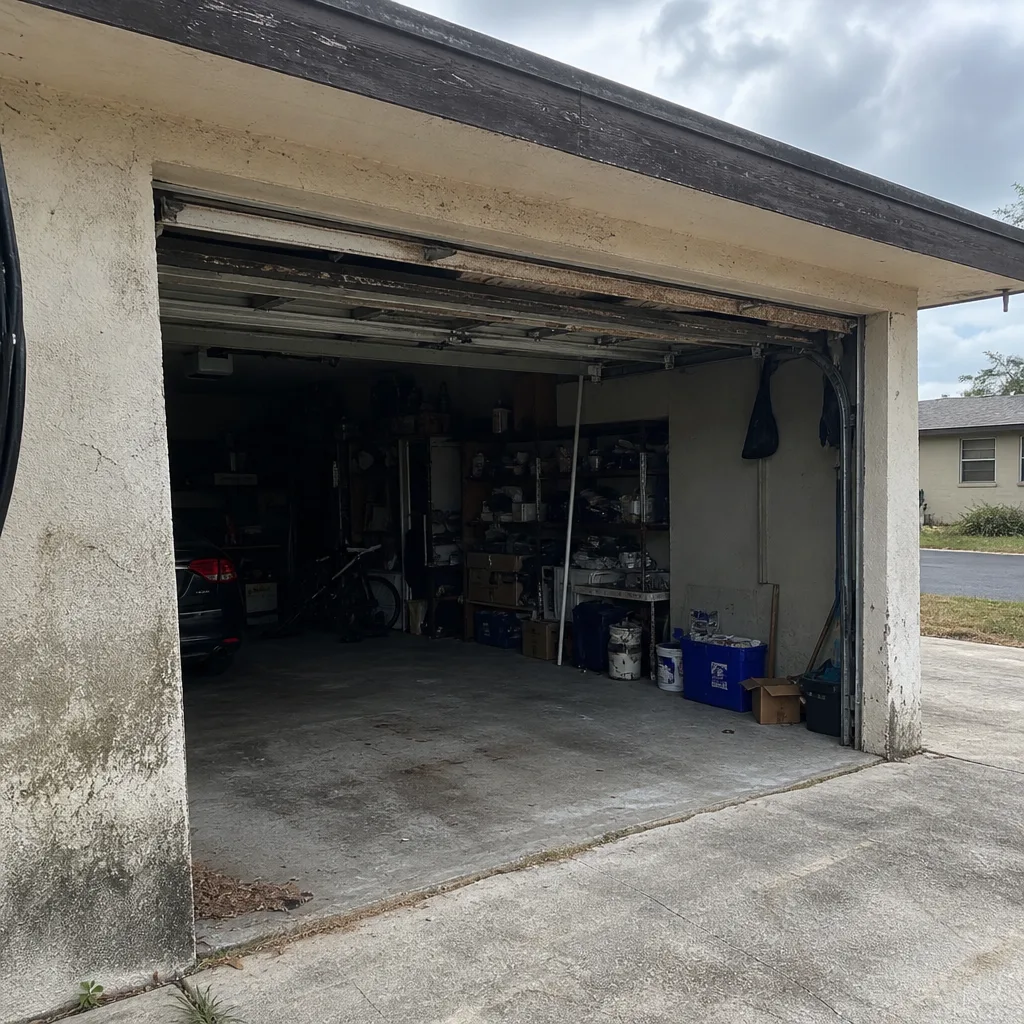 Before
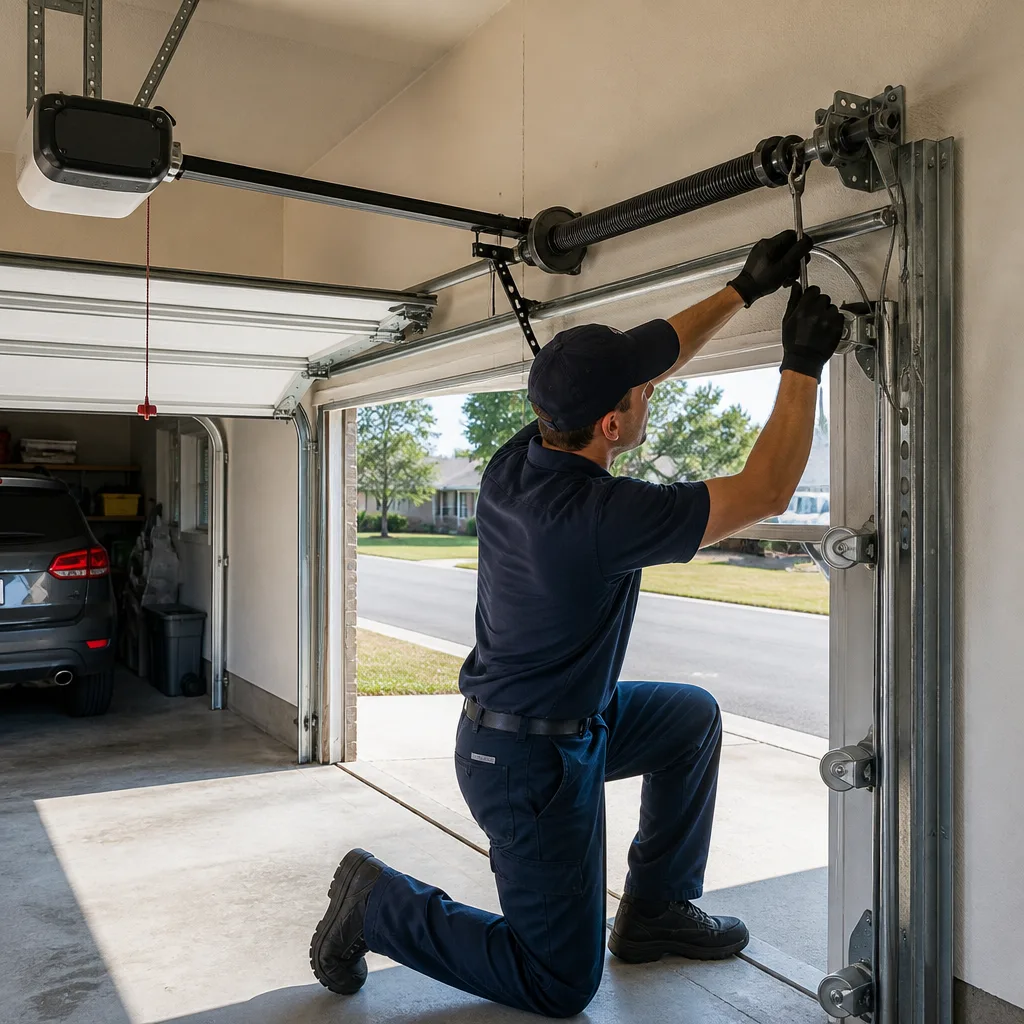 After
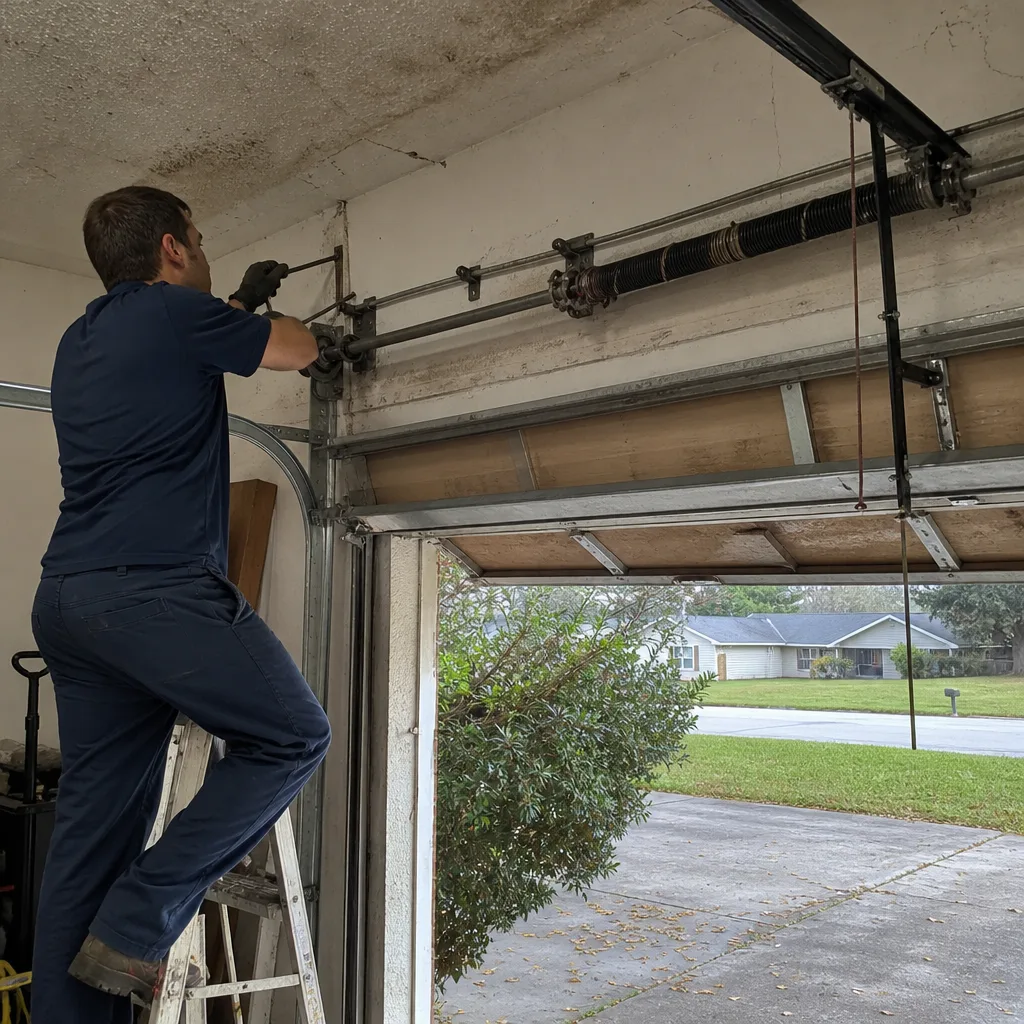 Before
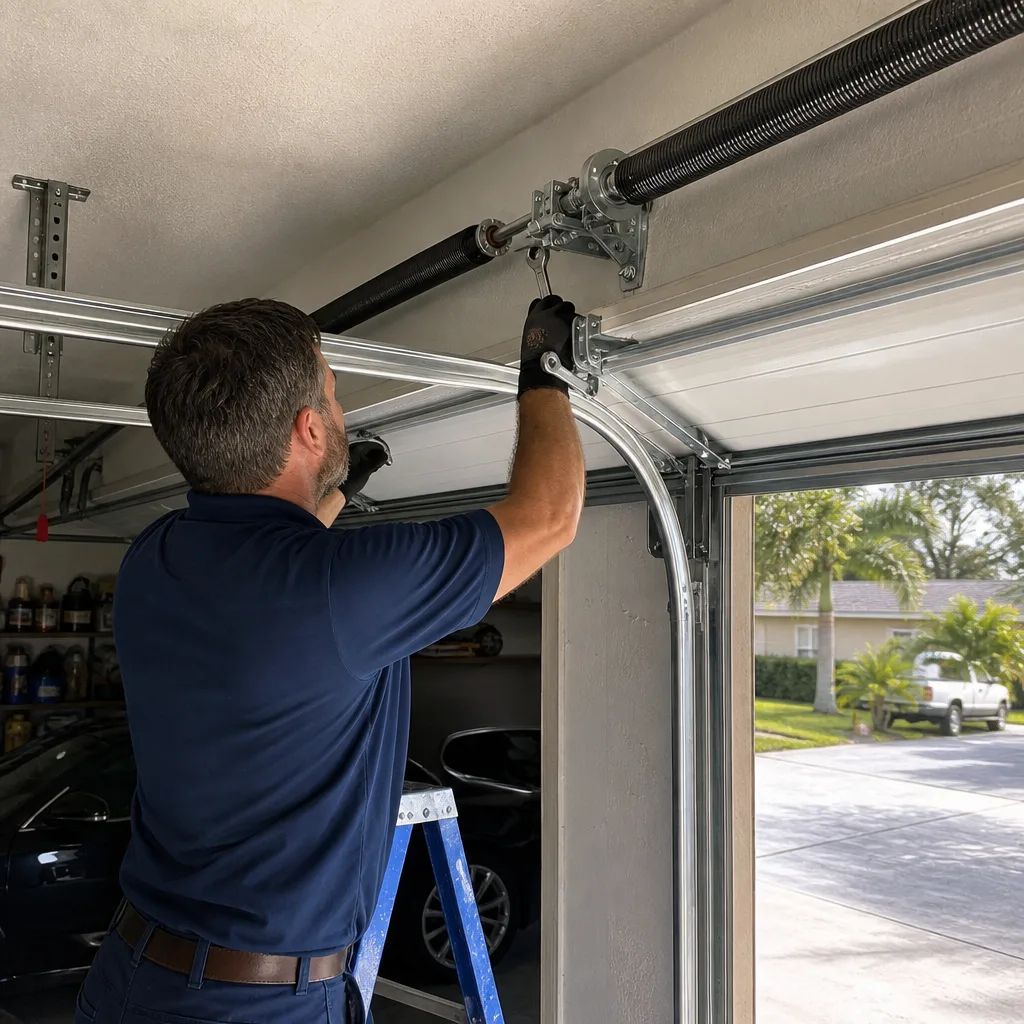 After
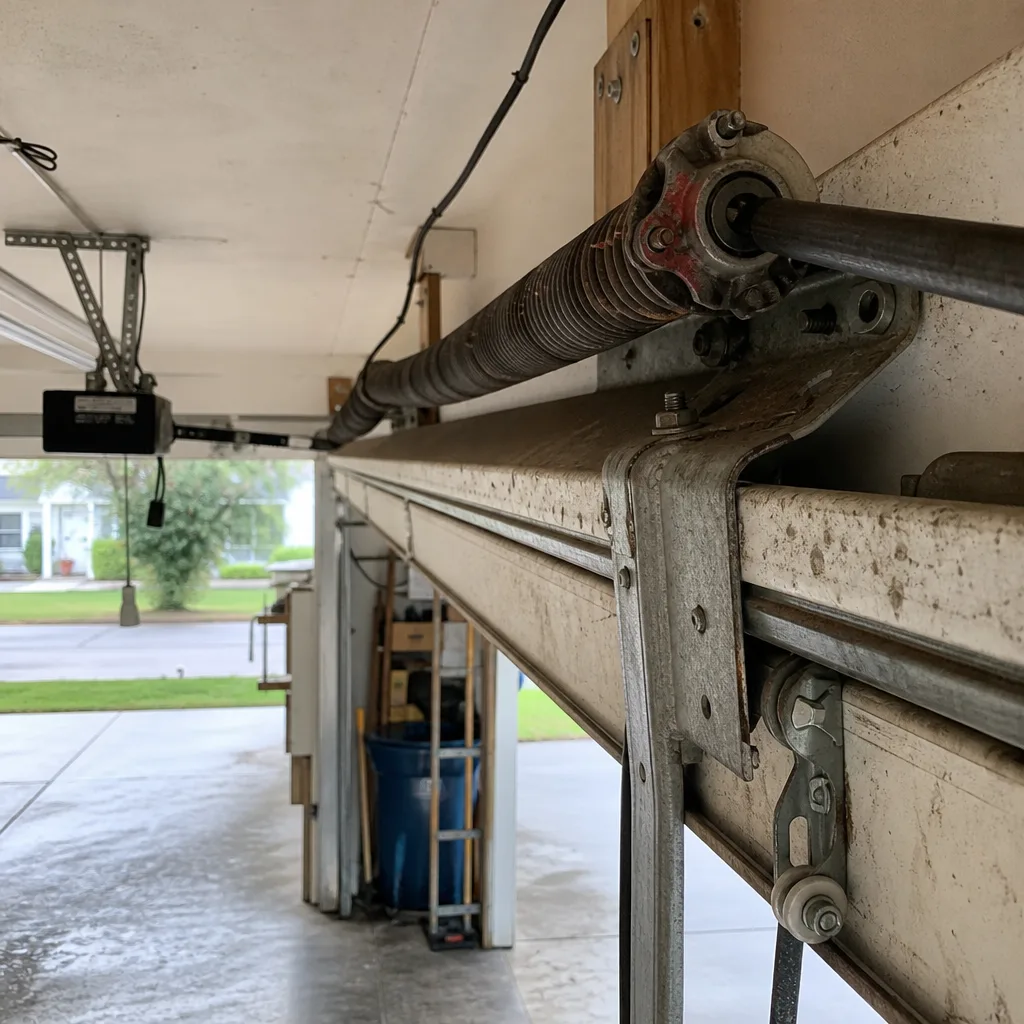 Before
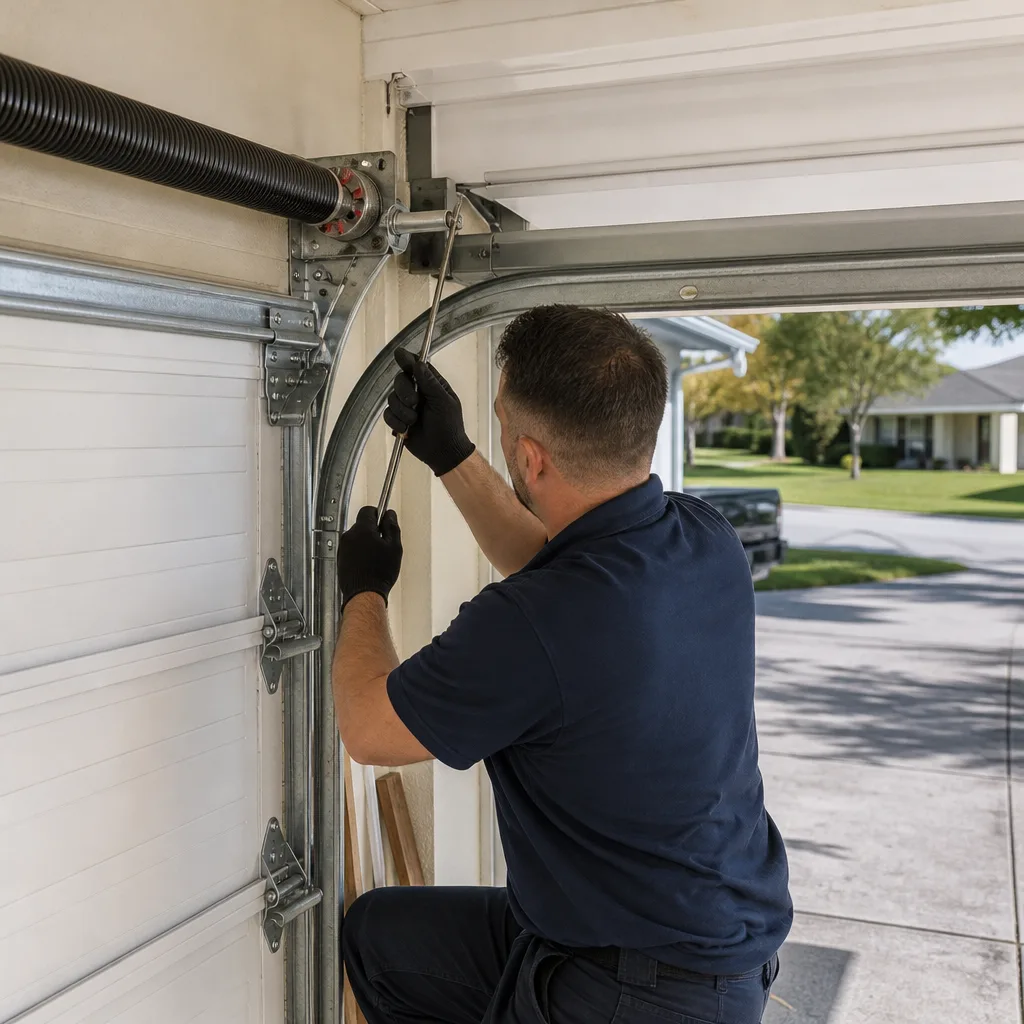 After