
Last updated October 30, 2026
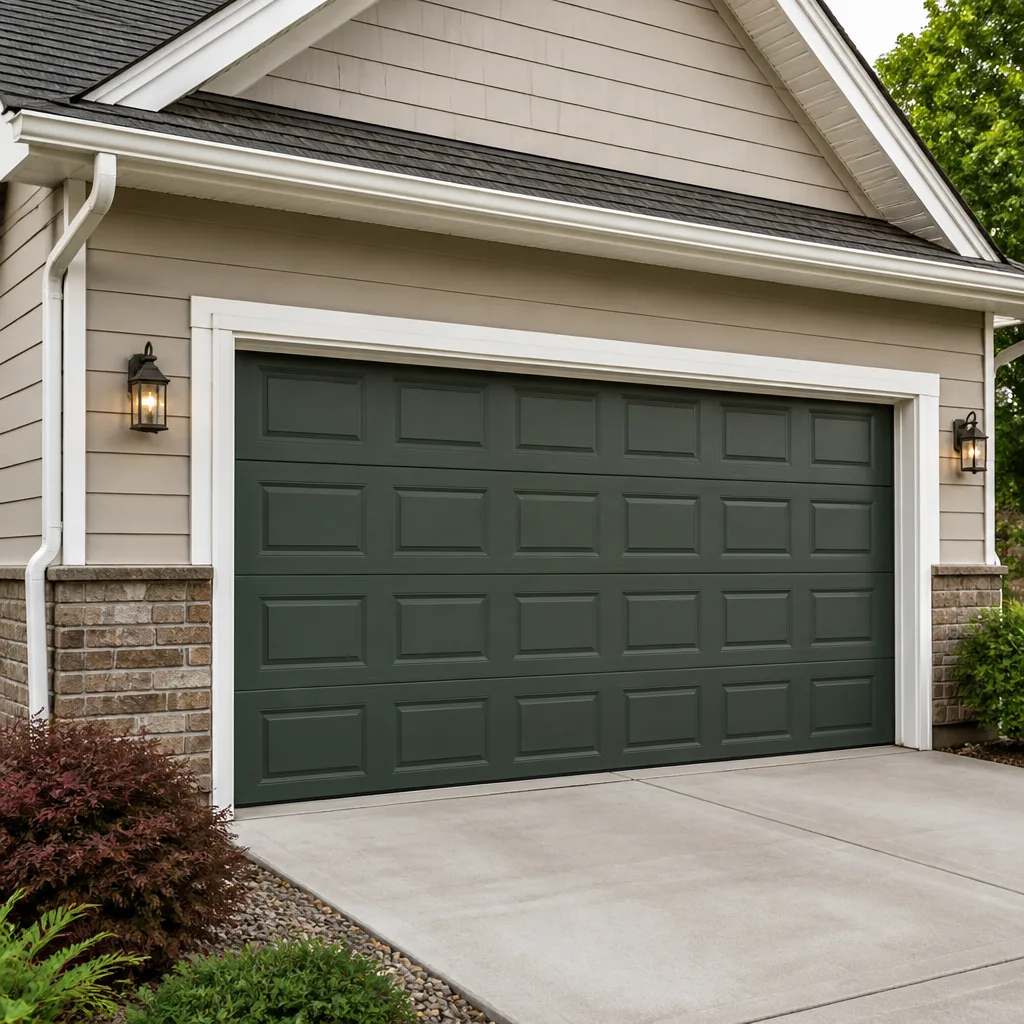 Raised-panel steel
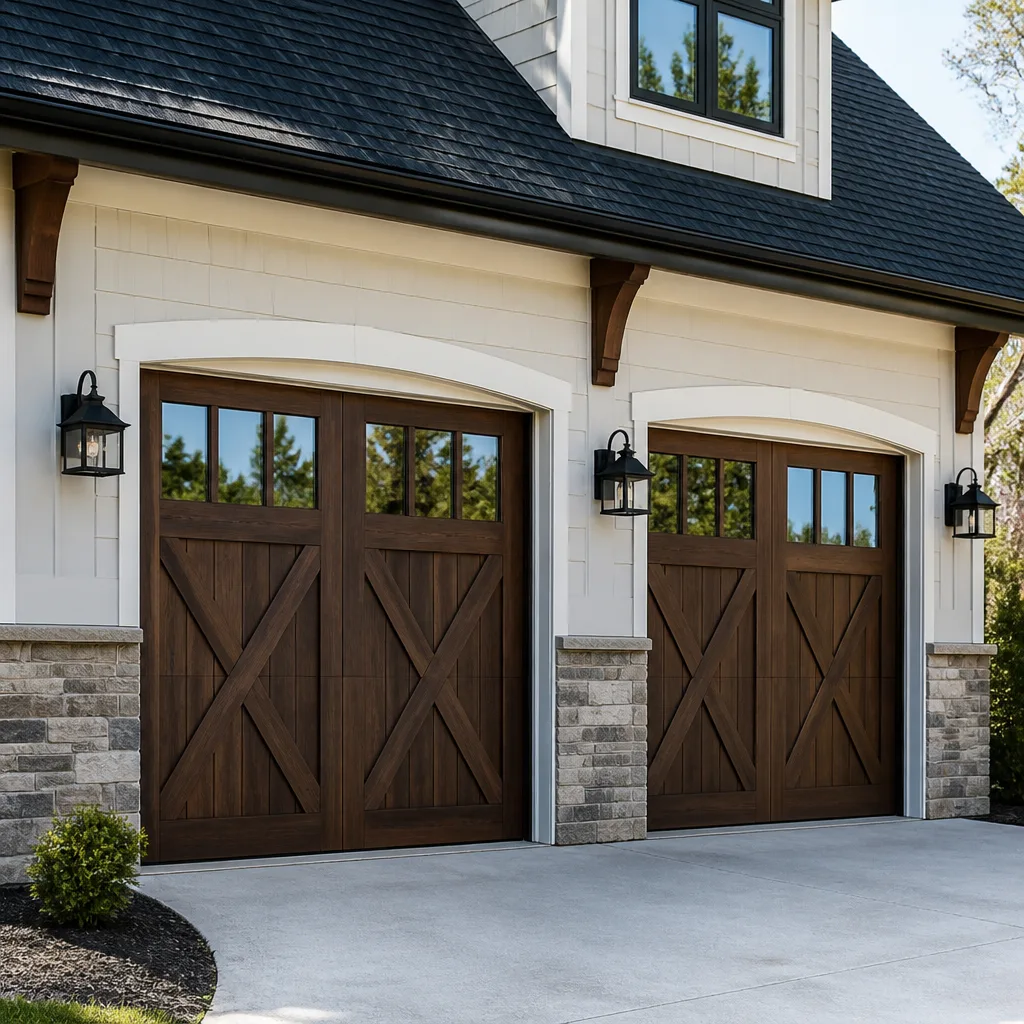 Carriage house
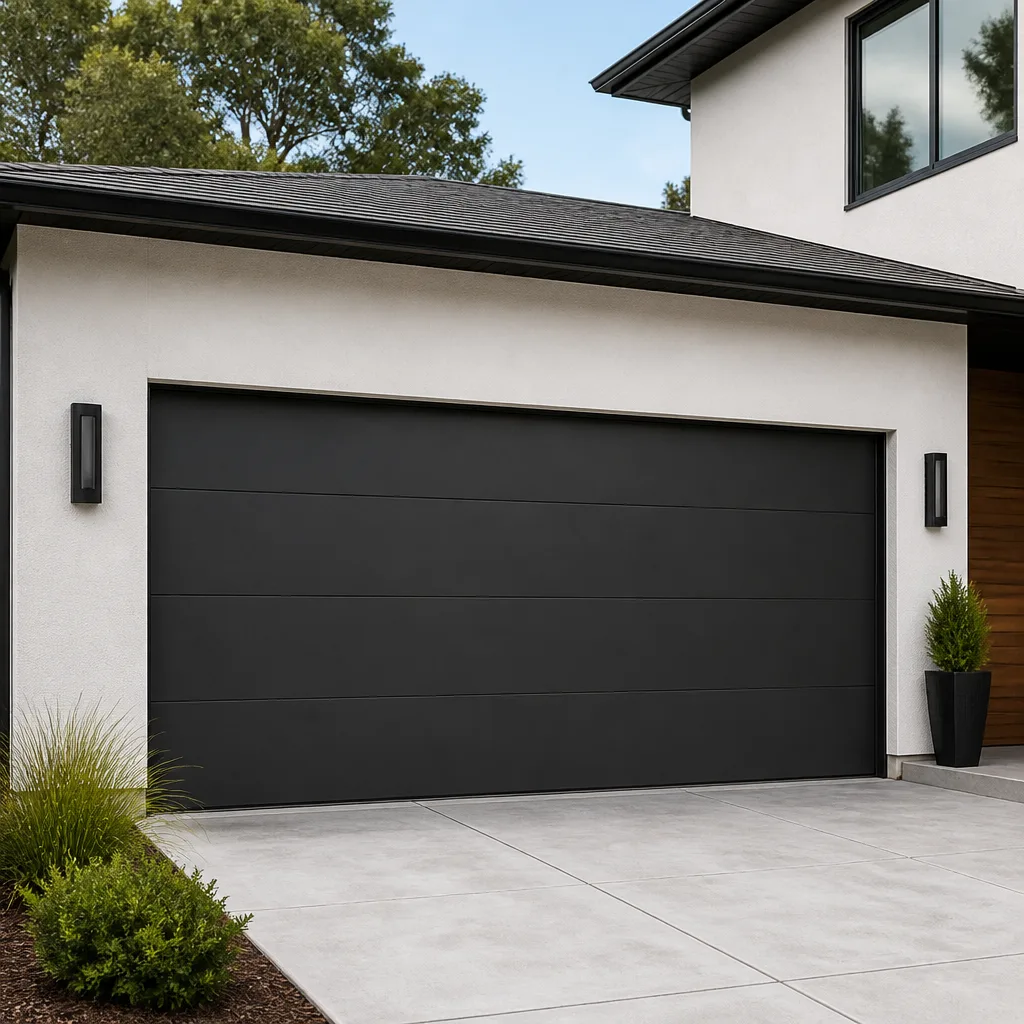 Modern flush
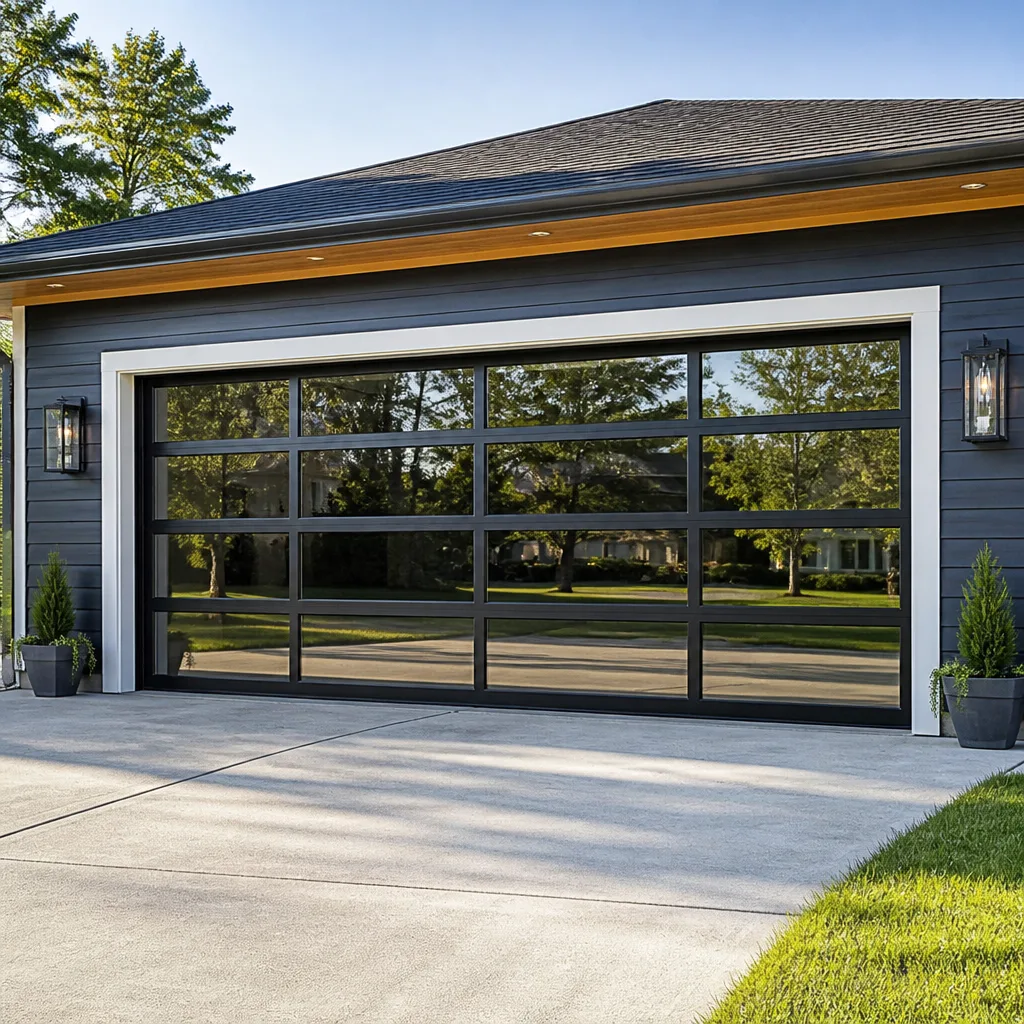 Full-view glass
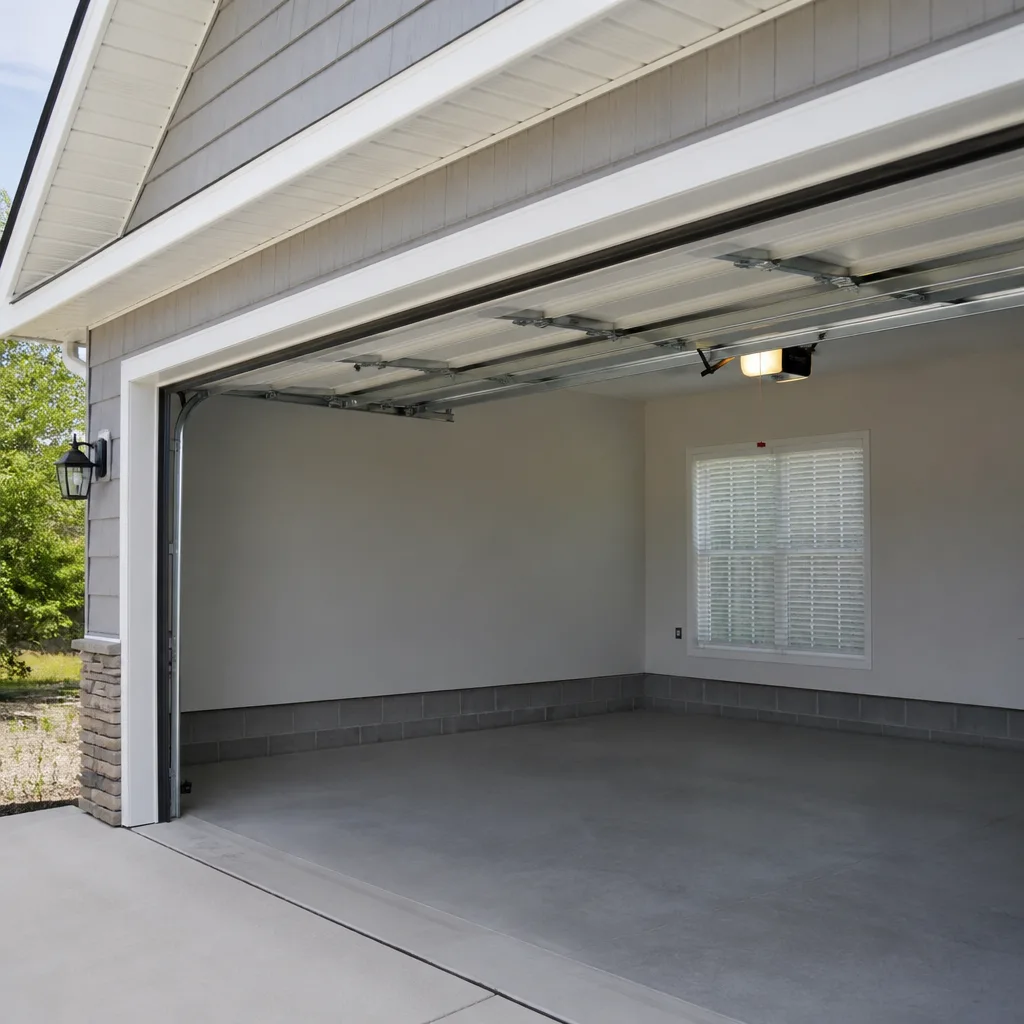 LiftMaster openers
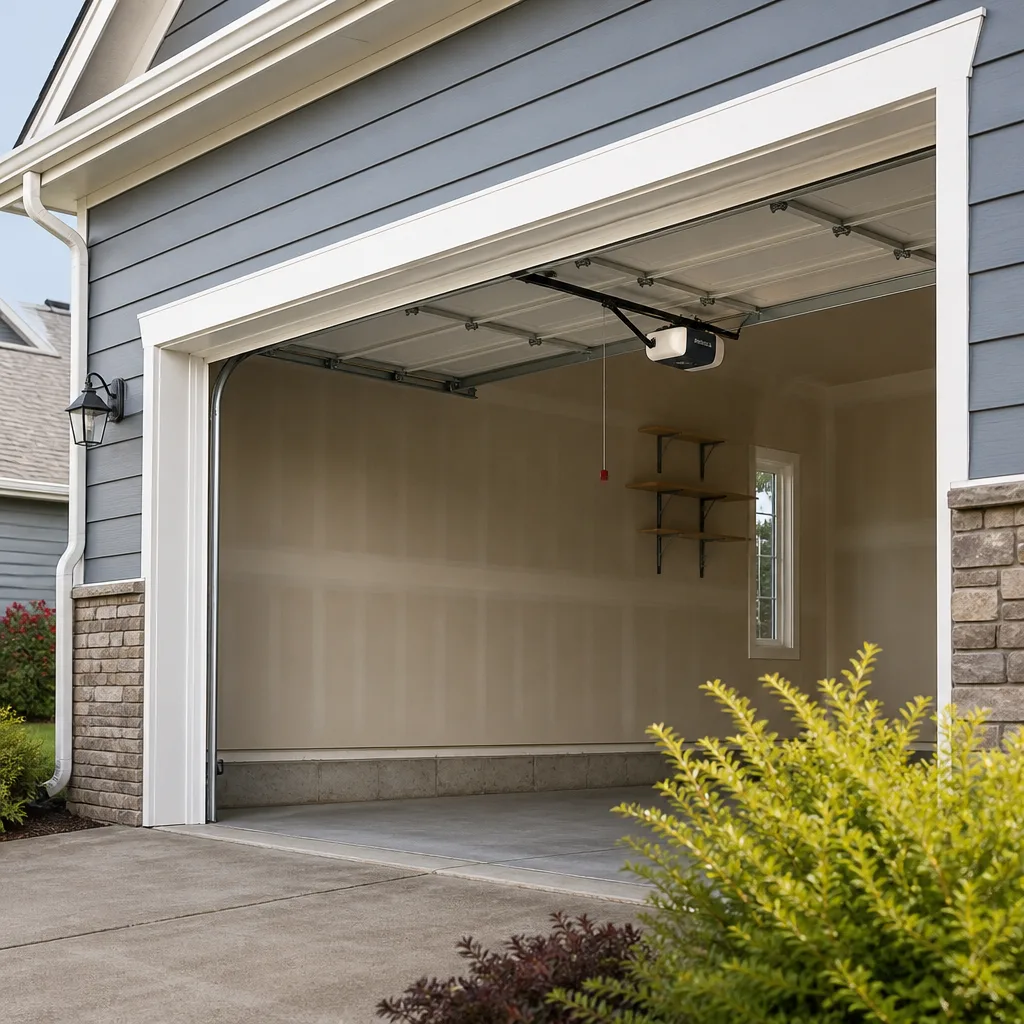 Chamberlain openers
Full 25-point door and opener safety check with every visit - springs, cables, rollers, tracks, and your LiftMaster or Chamberlain opener included
You get a price before we start. It does not change when the truck arrives.
Get your free estimateSeasonal Garage Door Care for Lakeland: Year-Round Homeowner’s Guide
Lakeland doesn’t have four seasons. It has two. Storm season and recovery season. A maintenance plan built around “spring cleaning” and “winter prep” misses the reality of Central Florida: afternoon thunderstorms that arrive daily for six months, hurricane threats from June through November, and a dry season where humidity drops enough to change how your garage door hardware behaves. Here’s the counterintuitive part most homeowners never connect: Lakeland’s “winter” still averages 60°F, but that temperature swing from summer highs is enough to shift tracks and affect spring tension in ways you’ll only notice as a slow grind every morning. This guide walks through what actually matters for a garage door in Lakeland, month by month, storm to storm. For a broader overview, see The Complete Guide to Garage Door in Lakeland.
Styles & brands we work with
Quick Answer
Seasonal garage door maintenance in Lakeland means two things: preparing your system for hurricane season from May through October, and adjusting lubrication and tension during the dry season from November through April. Inspect springs, cables, sensors, and weatherstripping before storm season starts, then switch to a heavier lubricant when humidity drops in the fall. A professional tune-up twice a year, timed around these shifts, prevents most of the repairs we see in this area. For details on common issues, read The Complete Garage Door Repair Guide for Lakeland Homeowners.
Table of Contents
- Lakeland’s Two-Season Reality: Why Four-Season Advice Fails Here
- Pre-Hurricane Season Hardware Inspection Checklist
- The Dry Season Lubrication Switch: What to Change and Why
- How the Summer-to-Winter Temperature Swing Affects Spring Tension
- Post-Rainy-Season Seal and Weatherstripping Inspection for Florida Door Bottoms
- A Monthly Maintenance Calendar for Lakeland Homeowners
- Brand-Specific Considerations: What Your Door Tells You
- Common Mistakes to Avoid
- When to Call a Professional
- Frequently Asked Questions
- The Bottom Line
Lakeland’s Two-Season Reality: Why Four-Season Advice Fails Here
Most garage door maintenance guides you’ll find online were written for homeowners in Ohio or Michigan. They talk about freezing temperatures, ice buildup, and snow removal. None of that applies to Lakeland. What applies: six months of daily afternoon rain, humidity that sits above 75 percent for weeks at a time, UV exposure that cracks rubber seals, and hurricane-force wind events that test every fastener on your door. Then the dry season arrives, humidity drops into the 40 to 50 percent range, and everything you didn’t adjust starts making noise.
Here’s the issue. Humidity acts as a natural lubricant and a corrosion agent at the same time. During storm season, metal components get moisture exposure daily. Rust forms on rollers, hinges, and spring coils. But the moisture also keeps things moving. When the dry season hits, that rust becomes a grinding surface. Lubricants thin out. The door that worked fine in September starts dragging in November.
Understanding this pattern changes how you maintain a garage door. You’re not doing four seasonal checkups. You’re doing two major preparation windows, plus monthly visual checks. The Stonebridge Garage Door Repair home team fields calls every November from Lakeland homeowners who noticed the same thing: the door got louder when the air got drier. That’s not a coincidence. That’s physics.
Pre-Hurricane Season Hardware Inspection Checklist
Start this inspection in May, before the daily downpours begin. Walk through each item below. If any fail, mark it for repair before June 1st.
- Springs: Look for gaps in the coil spacing, rust buildup, or separation at the cones. A gap wider than 1/8 inch between coils signals fatigue. Springs under tension carry immense force. If you see deformation, do not attempt adjustment. Call a professional.
- Cables: Check for fraying strands anywhere along the cable run, especially near the bottom bracket. Two or more broken strands = replacement. One broken strand warrants monitoring. Cables snap without warning and can cause serious injury.
- Rollers: Inspect each roller for flat spots, wear marks, or wobble when the door moves. Steel rollers with sealed bearings tend to last longer in Florida than the plastic ones many builders install. A roller that doesn’t spin freely adds strain to the opener.
- Hinges and brackets: Look for cracks, wallowing out at fastener holes, or loose bolts. Use a socket wrench to check tightness but do not over-torque. Florida’s humidity accelerates galvanic corrosion where steel bolts meet aluminum brackets.
- Track alignment: The vertical and horizontal tracks should be plumb and level. Use a 4-foot level to check. A gap between the track and the door edge wider than 1/4 inch indicates misalignment. Tracks shift over time from thermal expansion and daily cycling.
- Sensor alignment: Both safety sensors near the floor should have steady indicator lights. A blinking or dark sensor means misalignment, dirty lens, or compromised wiring. The door won’t close properly if either sensor can’t see the other.
- Opener force settings: With the door halfway down, pull the manual release. The door should neither rocket upward nor crash down. If it does, the spring tension is off and the opener is fighting the door. This kills opener motors. Get it adjusted.
- Wind-load rating: If your home was built after 2002 in Polk County, your garage door likely has a wind load rating. Look for a label on the inside of the door panel near a hinge line. If you can’t find one, the door may not be rated for hurricane wind pressures. Reinforcement is available for many existing doors.
This is exactly the kind of inspection we do when we respond to Garage Door Repair in Dade City calls. Most of what we find during storm season was visible months earlier, before wind exposed the weak points. Homeowners in Dade City face the same storm patterns as Lakeland, and the same failure points show up: rusted bottom brackets, tired springs, worn rollers.
The Dry Season Lubrication Switch: What to Change and Why
This is the section most Lakeland maintenance guides get wrong. When humidity drops in October and November, standard lightweight spray lubricants stop working effectively. They thin out, drip off, and leave moving parts dry within weeks. The solution isn’t more lubricant. It’s a different viscosity.
What to use during dry season (November through April):
- White lithium grease on the springs, hinge pivot points, and the opener chain or screw drive
- Silicone spray (not WD-40) on the tracks where rollers ride
- Graphite powder on lock mechanisms and the emergency release mechanism
What to avoid:
- WD-40 or any penetrating oil on springs and rollers. It displaces heavier lubricants and accelerates wear.
- Motor oil or grease on the track channel itself. It collects sand and grit, turning the track into a grinding paste.
- Using the same lubricant year-round. What worked in August leaves you dry by December.
The dry season also affects opener performance. Chain-drive openers get noisier when the ambient humidity drops because the rail lubrication evaporates faster. If your LiftMaster or Chamberlain chain drive sounds louder in November than it did in September, re-lubricate the chain with white lithium before assuming the opener is failing. We see a spike in opener misdiagnosis every November for exactly this reason.
How the Summer-to-Winter Temperature Swing Affects Spring Tension
Steel garage door springs change stiffness with temperature. It’s subtle, but measurable. A torsion spring sized for a 16-by-7 door at 95°F delivers slightly different tension at 55°F. The spring coils contract when they cool, which increases effective tension. The result: a door that slams open or strains to close on the first cool mornings of the year.
The sound you’ll hear is distinctive. A spring that’s over-tensioned makes a sharp “snap” at the top of the opening cycle. A spring that’s under-tensioned makes a slow “groan” or “click” as it strains. Neither sound is normal. Both mean the spring needs calibration.
Spring calibration is measured in quarter-turn increments on the winding cone. Each quarter-turn changes the tension enough to notice. A door that hangs at the halfway point, creeps down after opening, or flies up when you hit the opener button is telling you the spring is out of balance. In Lakeland, this typically happens twice a year: when the first cold front arrives in November, and when the first heat wave hits in March.
One thing to know: torsion springs are under constant load. Even when the door is closed, the spring holds stored energy equal to the door’s weight. The tools used to adjust them are specialized winding bars, not a standard socket set. A spring that unwinds unexpectedly can break an arm or worse. We don’t recommend DIY spring calibration. What you can do safely is observe the symptoms and describe them accurately when you call a professional. “It groans when I open it in the morning but feels fine by afternoon” is useful diagnostic information.
If you have a Genie opener, pay extra attention to the force travel limits during temperature shifts. Genie systems use a slightly different limit-setting mechanism than LiftMaster or Chamberlain, and a spring adjustment without a corresponding limit tweak sometimes leaves the opener fighting itself. This is where multi-brand experience matters. A technician who only knows one brand’s adjustment sequence may miss the interaction.
Post-Rainy-Season Seal and Weatherstripping Inspection for Florida Door Bottoms
Florida door bottoms take a beating. Six months of standing water, UV exposure, and heat cycling breaks down the rubber or vinyl weatherstripping along the bottom edge. Once that seal fails, water, dust, and insects enter every time it rains, and the gap lets conditioned air escape year-round.
Here’s a step-by-step inspection process for Lakeland homeowners:
- Visual check in daylight: Close the door and look for light coming through underneath. Any visible gap wider than a pencil’s width means the seal is compromised.
- Run your hand along the bottom: Feel for cracking, brittleness, or separation from the aluminum retainer strip. Florida sun bakes rubber seals into a hardened state within two to three years.
- Check the side jambs: The vertical seals along both sides of the door should press against the door edge with enough force to hold a dollar bill in place when the door is closed. Any looser and water gets driven in during wind-driven rain.
- Inspect the threshold: Concrete garage floors in Lakeland settle over time. A dip in the middle creates a gap the door seal can’t bridge. Solutions range from thicker bulb seals to threshold ramps.
- Pour water test: Spray a garden hose at the door base for 30 seconds and look for leaks on the inside. Doing this after a dry spell, before the rains resume, gives you a chance to replace seals while the concrete is dry.
Amarr and Clopay doors both use proprietary bottom seal profiles. The retainer channel isn’t universal. If you order a generic replacement seal, it may not seat properly in the aluminum retainer and you’ll end up with the same leak and a wasted afternoon. We strongly recommend matching the replacement seal to the door’s make and model.
A Monthly Maintenance Calendar for Lakeland Homeowners
Here’s what an actual year of garage door ownership looks like in Lakeland. Adjust the timing if the weather shifts early or late.
January – February: Dry season peak. Re-lubricate springs, rollers, and hinges with white lithium grease. Listen for grinding sounds on cold mornings. Check the emergency release operates smoothly.
March: First heat wave. Test spring balance manually. Check that the door opens and closes without hesitation in both directions. Clean sensor lenses with a soft cloth.
April: Pre-storm-season prep begins. Order any replacement parts you know you’ll need. Inspect weatherstripping before the daily rain pattern starts.
May: Full hurricane prep inspection using the checklist above. Tighten all hardware. Consider wind-load reinforcement if your door is older or unrated.
June – September: Storm peak. Monthly visual checks of cables and brackets. After any severe storm, inspect for debris in the tracks and check that the door still closes squarely.
October: Post-storm recovery inspection. Replace any weatherstripping that degraded over the summer. Check for water damage along the bottom panel.
November: First real temperature drop. Expect spring noise. Plan for lubrication switch to heavier products.
December: Holiday season means heavier door use. People come and go. Packages arrive. The opener cycles more in a month than all of July. Listen for changes in sound or speed.
Brand-Specific Considerations: What Your Door Tells You
Lakeland homes have a mix of garage door brands, and each has characteristic behaviors in our climate. We work across eight major manufacturers, and our diagnostic approach is brand-agnostic. We troubleshoot what’s installed, not what we’d prefer to sell. That’s the whole point of being a multi-brand specialist. Homeowners shouldn’t have to replace a perfectly good door because a technician doesn’t know how to work on it.
Chamberlain openers: Chain-drive models get progressively louder in dry air. Belt-drive models are quieter but can stretch slightly in high heat. The MyQ smart integration works well for Lakeland homeowners who want to check door status remotely during storms. If you get a “door open” alert mid-storm, it usually means the pressure change on the garage triggered the sensor, not that your door opened. Check before driving home in a panic.
Genie doors and openers: The Intellicode rolling code system occasionally desyncs after power outages, which Lakeland gets during storm season. If your remote stops working after a blackout, nine times out of ten it needs to be reprogrammed, not replaced. We do that kind of work on Garage Door Opener Repair in Dade City service calls regularly.
Clopay and Amarr doors: Both brands hold up well in Florida humidity when properly maintained, but the bottom seal channels are brand-specific. Clopay and Amarr each use a different T-slot profile for the bottom rubber. If you have a Clopay door and install an Amarr seal, it’ll fall out within weeks. Match the seal to the door.
Common Mistakes to Avoid
- Using WD-40 on springs and rollers. WD-40 is a solvent, not a lubricant. It removes the protective grease, leaves metal bare, and accelerates wear. In Lakeland’s wet climate, that means rust within a season.
- Ignoring a loud door because “it’s always done that.” Grinding, popping, and groaning sounds indicate stress. That stress concentrates on the weakest component, which eventually fails. Springs under tension that fail at the wrong time can injure people and damage vehicles.
- Never testing the auto-reverse safety feature. Place a 2×4 flat on the floor under the door and close it. The door should reverse immediately on contact. If it doesn’t, the force setting is too high or the sensors are misaligned. This is a safety issue, not a convenience issue.
- Treating all lubricants as interchangeable. Florida’s humidity changes the equation. The spray lube that worked in Ohio doesn’t survive a Lakeland rainy season. Match the product to the season.
- Replacing the entire door because the opener failed. Doors and openers are separate systems. A 15-year-old Clopay door can operate perfectly with a new opener. Replacing both isn’t always the economical move. Some companies push full replacements because it’s a bigger invoice. We diagnose first, recommend second. If the door panels are solid and the tracks are square, an opener replacement is often the right repair.
- Waiting until the first named storm to inspect wind-load hardware. Hardware takes time to order and install. The time to reinforce is May, not when a Category 3 is spinning in the Gulf.
- Forgetting that the garage is the largest opening in the house. A compromised garage door during a hurricane lets wind pressurize the interior, which is how roofs get lifted off in storms unrelated to flooding. The garage door is structural. Maintain it accordingly.
When to Call a Professional
Some garage door work is safe for homeowners. Lubricating, cleaning sensors, visual inspections, and replacing weatherstripping all fall in that category. Other work is not. Springs under tension, cables under load, track adjustments that require leveling, and opener gear replacement all carry risk of serious injury. If you hear a loud bang and the door won’t open, a spring failed. Do not try to open the door manually. Do not climb a ladder to inspect it. Call a technician.
Stonebridge Garage Door Repair offers free estimates in Lakeland at (833) 589-8630. We diagnose first, recommend second. Garage doors are all we do. If you’re not sure whether a sound is normal, call us before it becomes a surprise on a stormy night.
Frequently Asked Questions
Twice a year, timed around the seasonal shifts. Schedule a professional inspection in May before hurricane season starts and again in November when the dry season begins. Monthly visual checks between those service dates catch most issues before they become repairs.
Dry air evaporates the lubricant on your springs, rollers, and chain faster than humid air does. The sound you hear is metal moving against metal with less protection. Switching to a heavier lubricant like white lithium grease during dry season fixes it in most cases.
No. Torsion springs hold enough stored energy to cause serious injury or death if they unwind unexpectedly. Even with the proper winding bars, a single mistake can break bones. This is one repair where the DIY risk isn’t worth the potential savings. A professional spring adjustment in Lakeland typically costs far less than an emergency room visit.
Look for a wind-load label on the inside of the door panel, usually near a hinge line or on the bottom panel. The label shows the design pressure rating. Doors installed before 2002 may not have a label. If yours doesn’t, bracing can be added to strengthen the door before storm season. Call (833) 589-8630 for a structural assessment.
A brand-specific technician works within one manufacturer’s ecosystem and often pushes you toward replacing other brands with theirs. A multi-brand technician troubleshoots whatever door and opener you already have. At Stonebridge, we’re trained on eight major brands including LiftMaster, Chamberlain, Genie, Clopay, Amarr, Wayne Dalton, Craftsman, and Raynor. That means we don’t need to sell you a new system to fix the one you own. Our Garage Door Installation in Dade City clients get the same brand-agnostic honesty when replacement is the right call.
A standard tune-up in the Lakeland area generally runs between $89 and $175 depending on the number of doors and any needed adjustments. Replacement parts like springs, rollers, and seals are quoted separately, and you’ll always get an exact price before we start work. Free estimates are available at (833) 589-8630.
Genie’s Intellicode rolling code system can lose sync with the remote when power is interrupted and restored. This happens a lot in Lakeland during storm season. The fix is usually simple reprogramming, not a new opener. If reprogramming doesn’t work, the logic board may need replacement. We handle both repairs on Garage Door Opener Repair in Dade City calls, and the same applies to Chamberlain and LiftMaster systems that lose their code sync after outages.
The Bottom Line
Lakeland garage doors need attention on a schedule that matches the local climate, not a generic four-season calendar. Prep for storm season in May. Switch lubricants and recalibrate springs in November. Inspect weatherstripping after the rains stop each fall. Listen for changes in sound, because your door always tells you what’s failing. And when the repair involves tensioned springs or frayed cables, call a professional who knows the difference between a Clopay and an Amarr by looking at it. Eight brands. One call. Garage doors are all we do.
Written by the team at Stonebridge Garage Door Repair, serving Lakeland since 2015. Explore more guides & resources on our blog.
See the difference
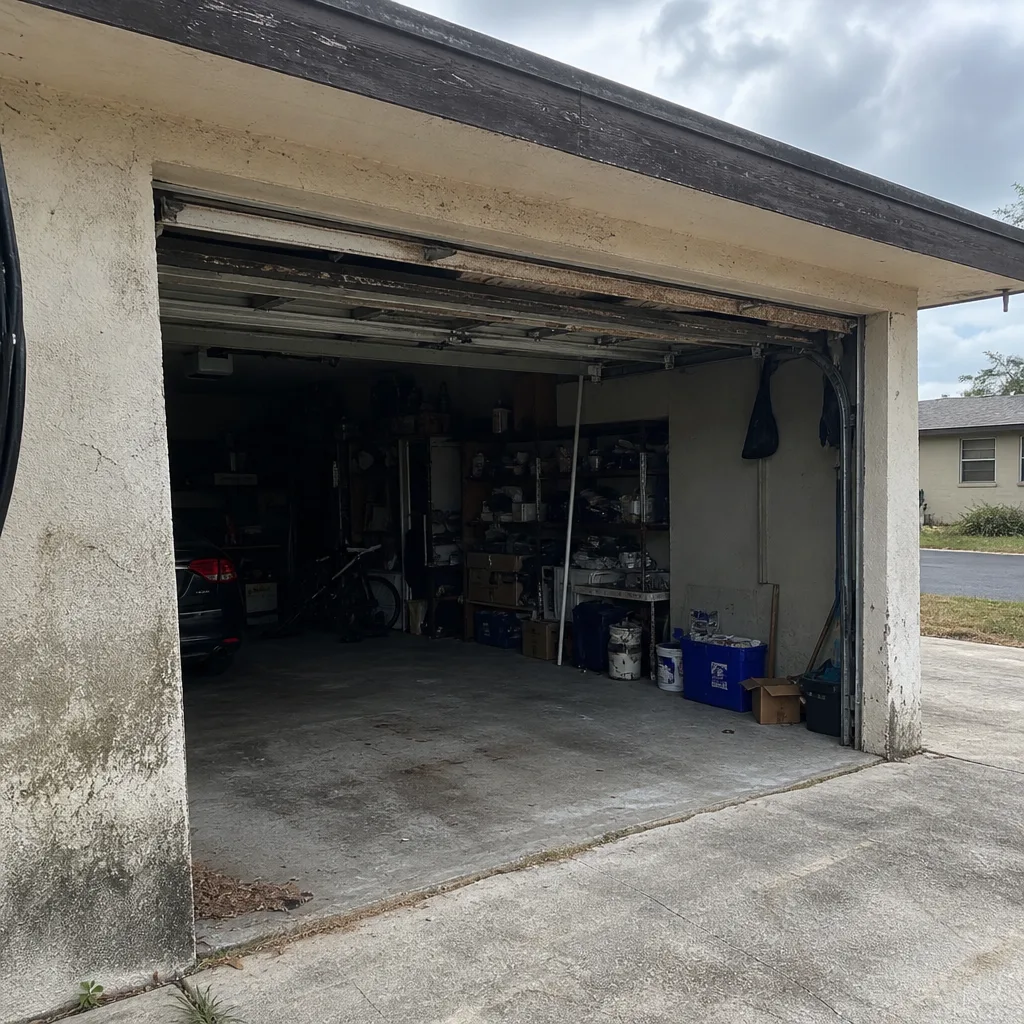 Before
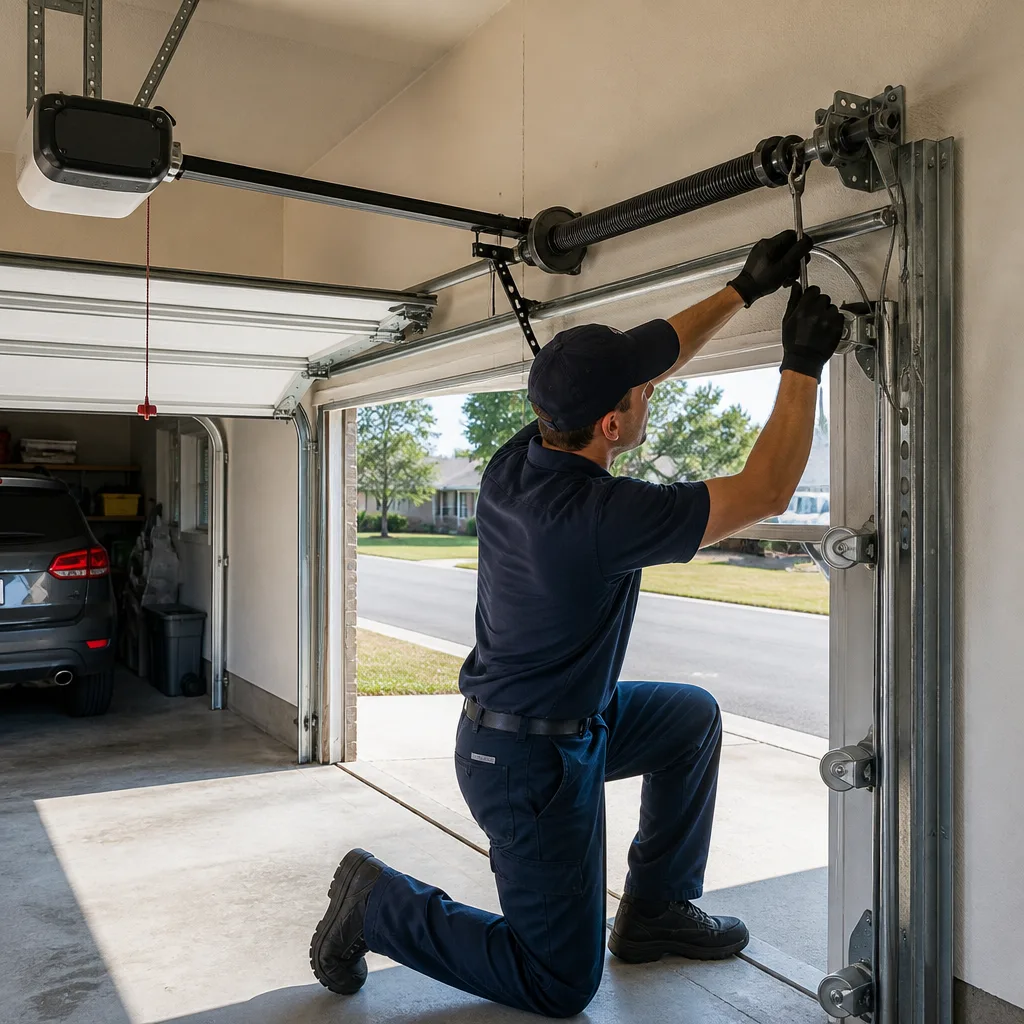 After
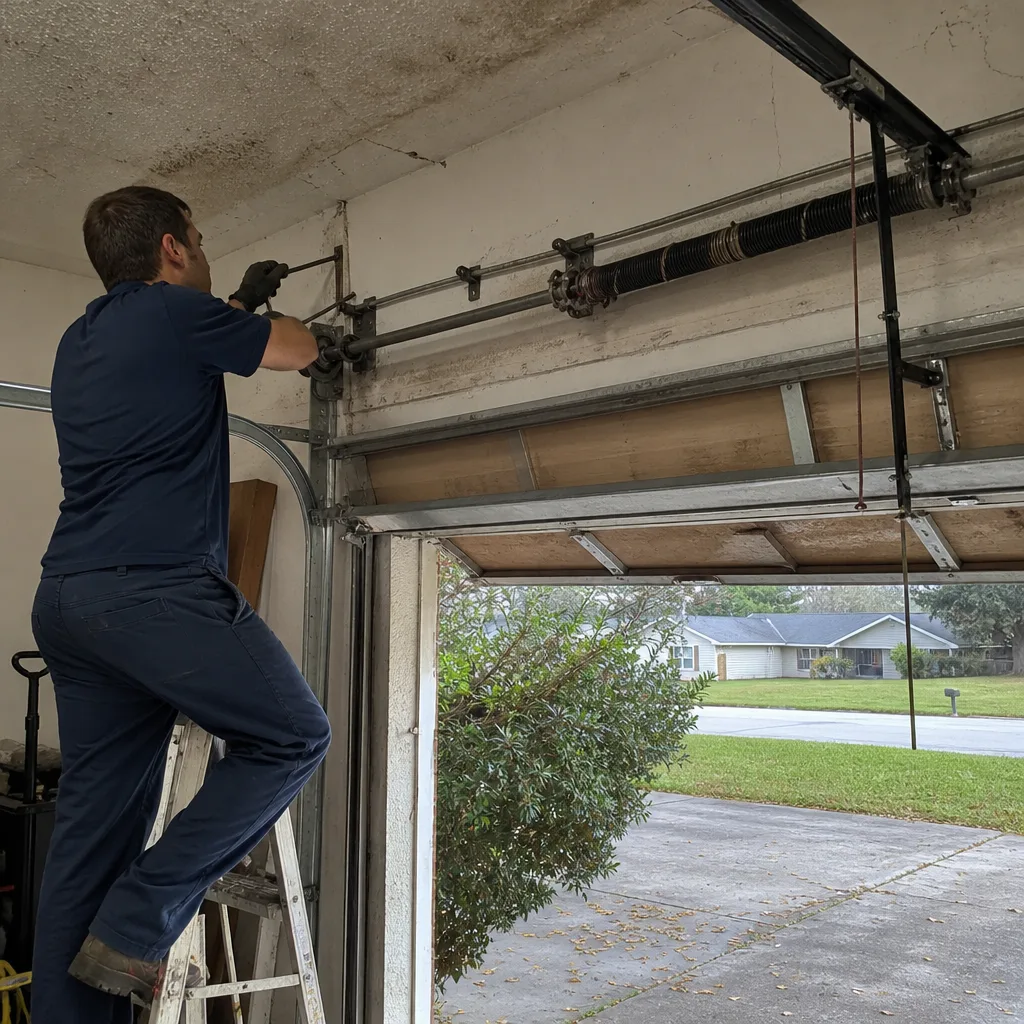 Before
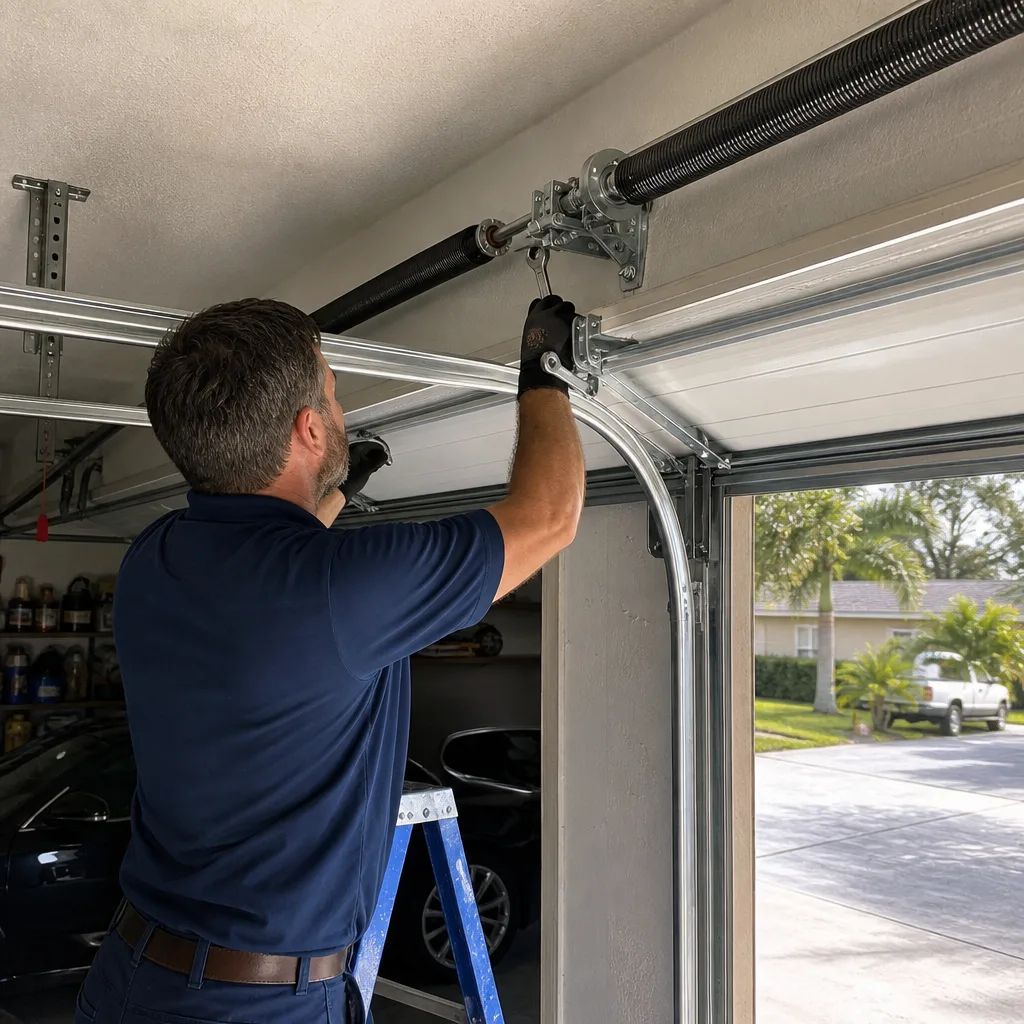 After
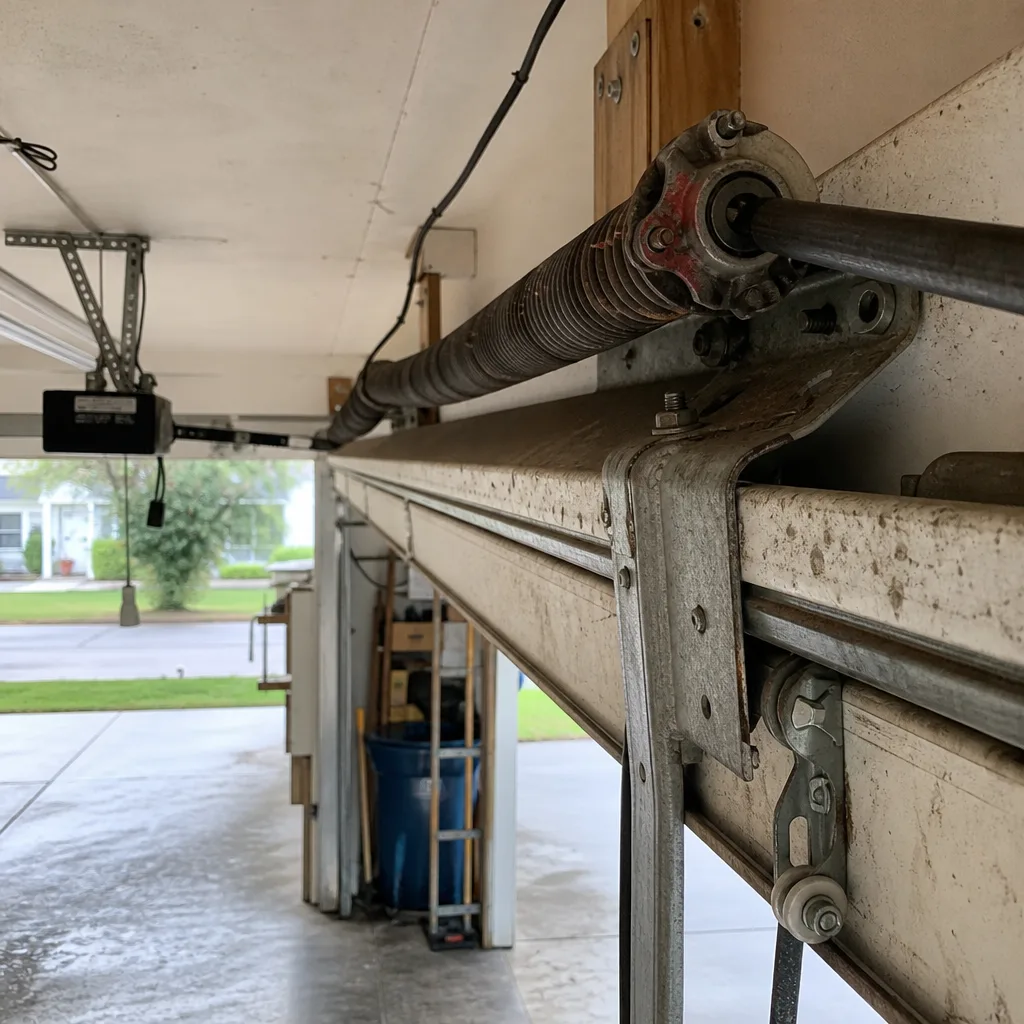 Before
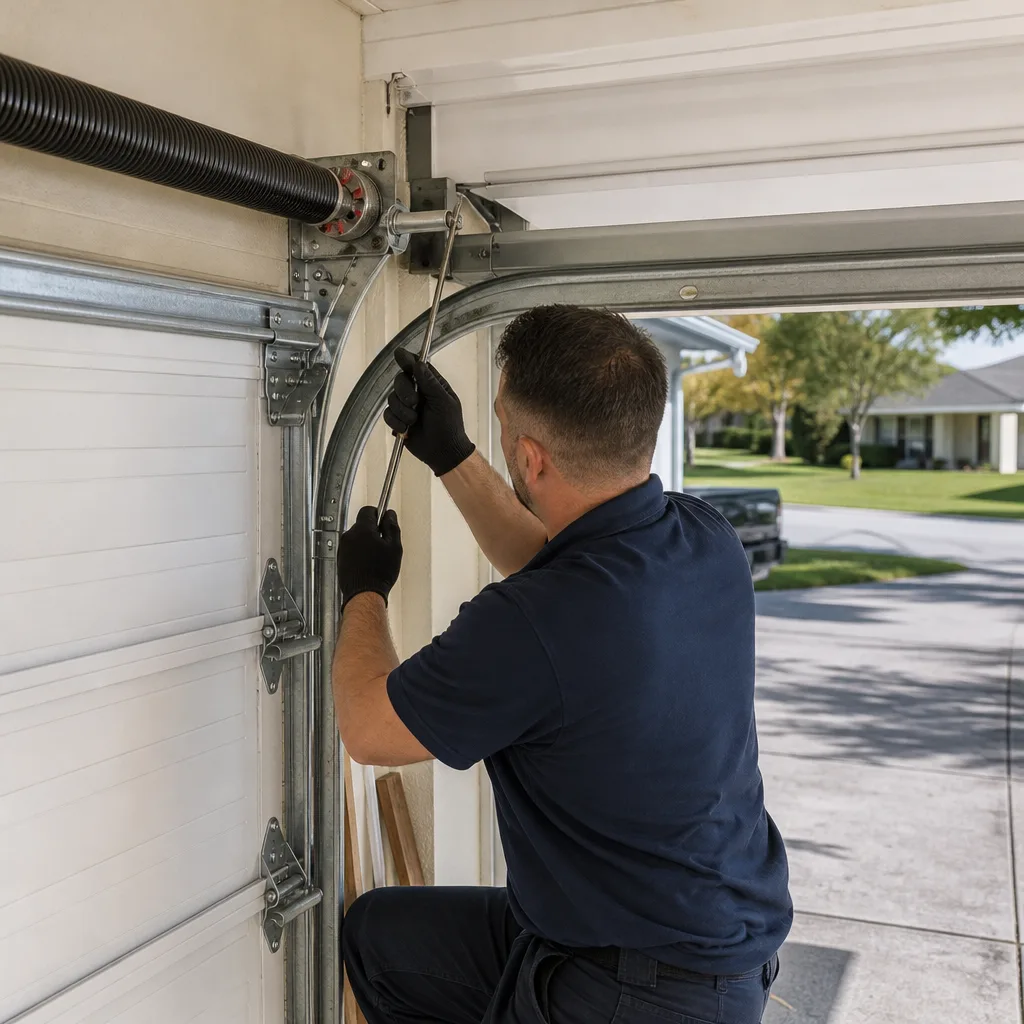 After