
Last updated October 30, 2026
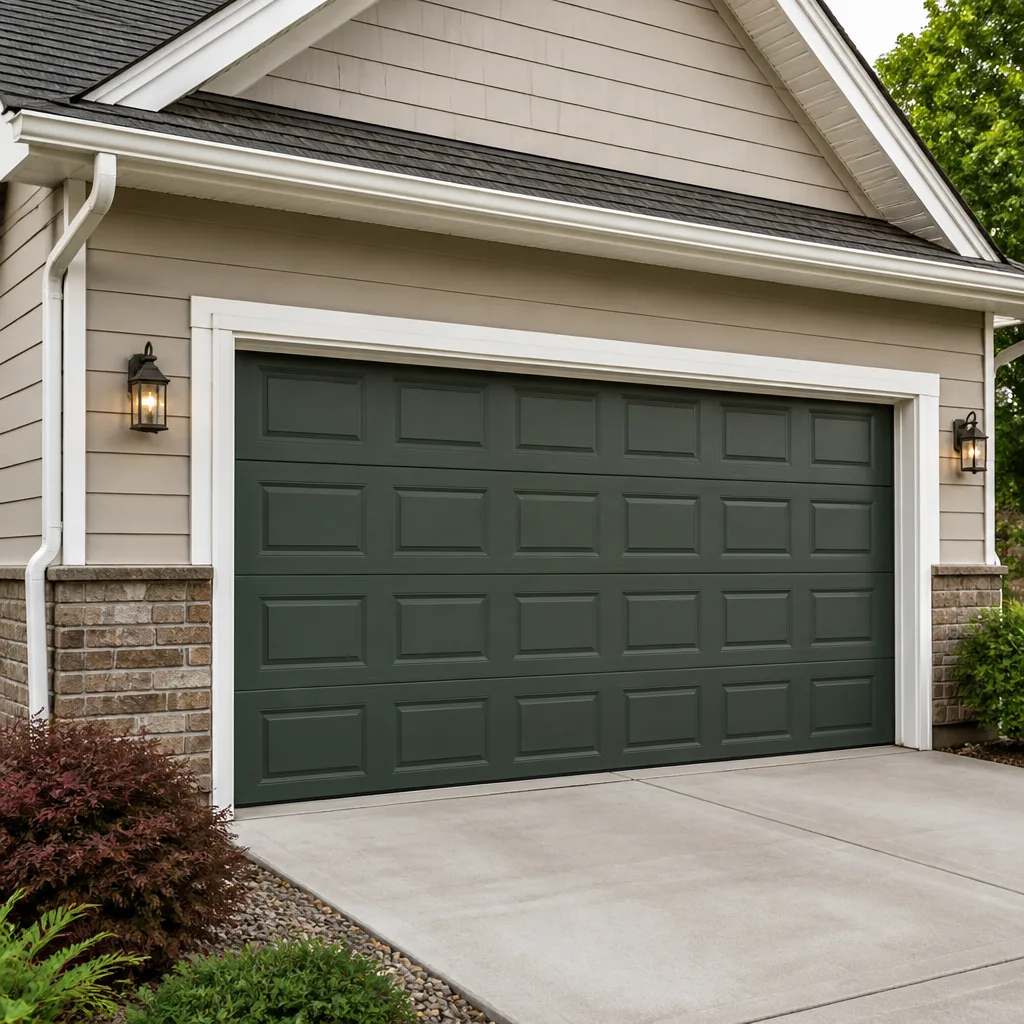 Raised-panel steel
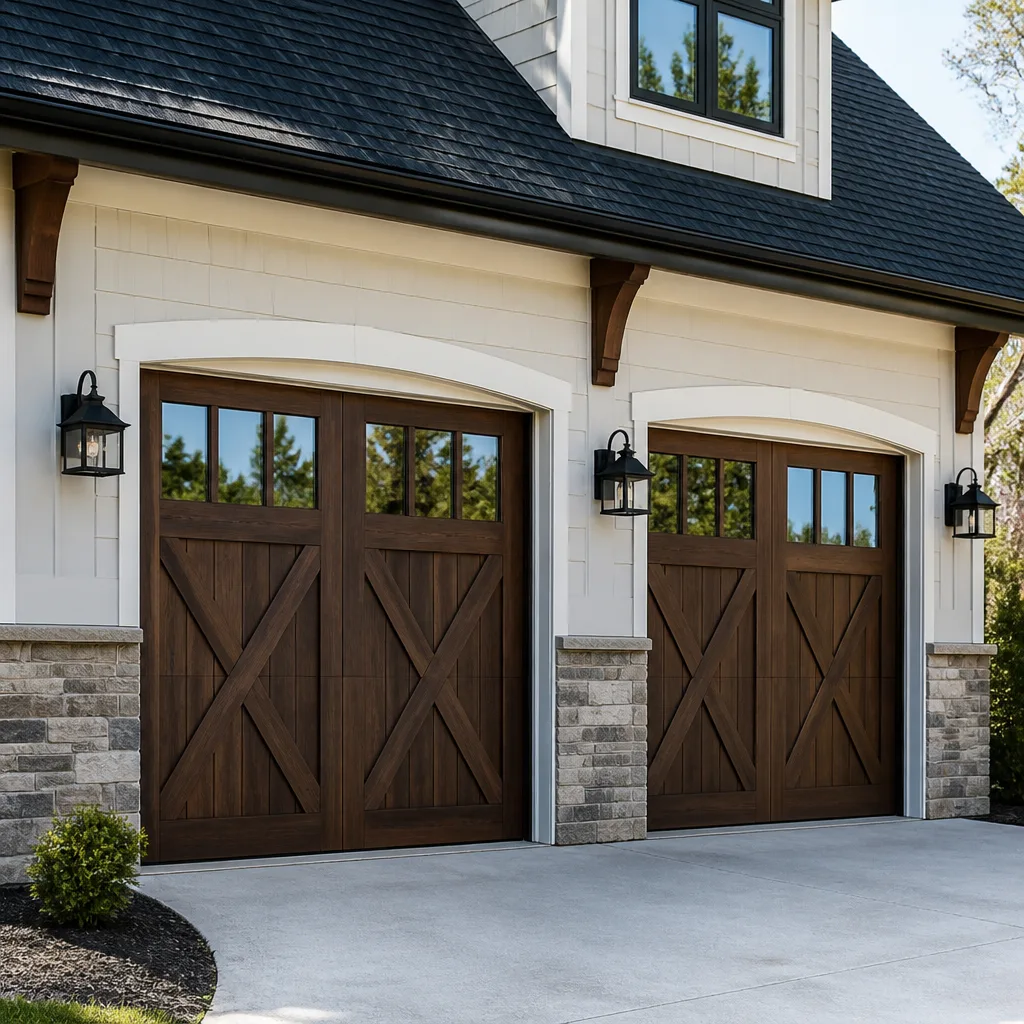 Carriage house
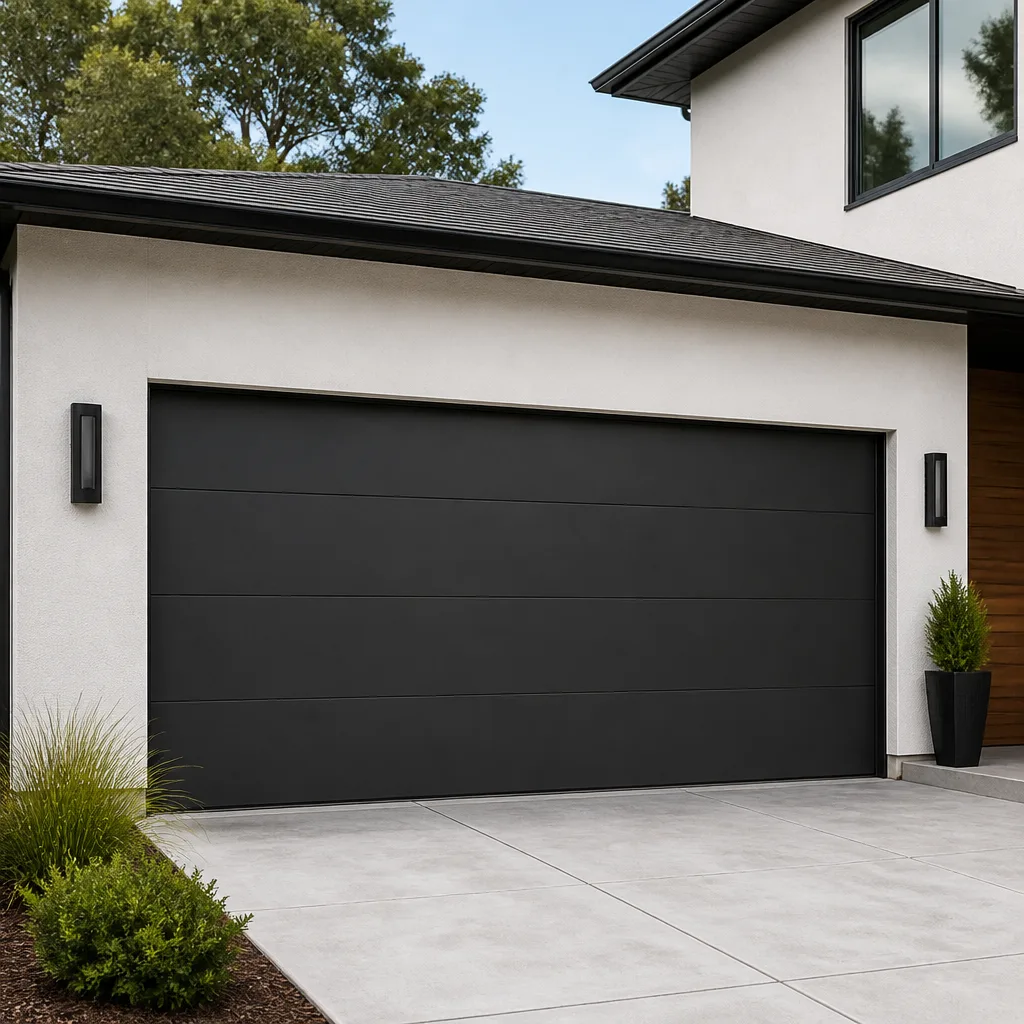 Modern flush
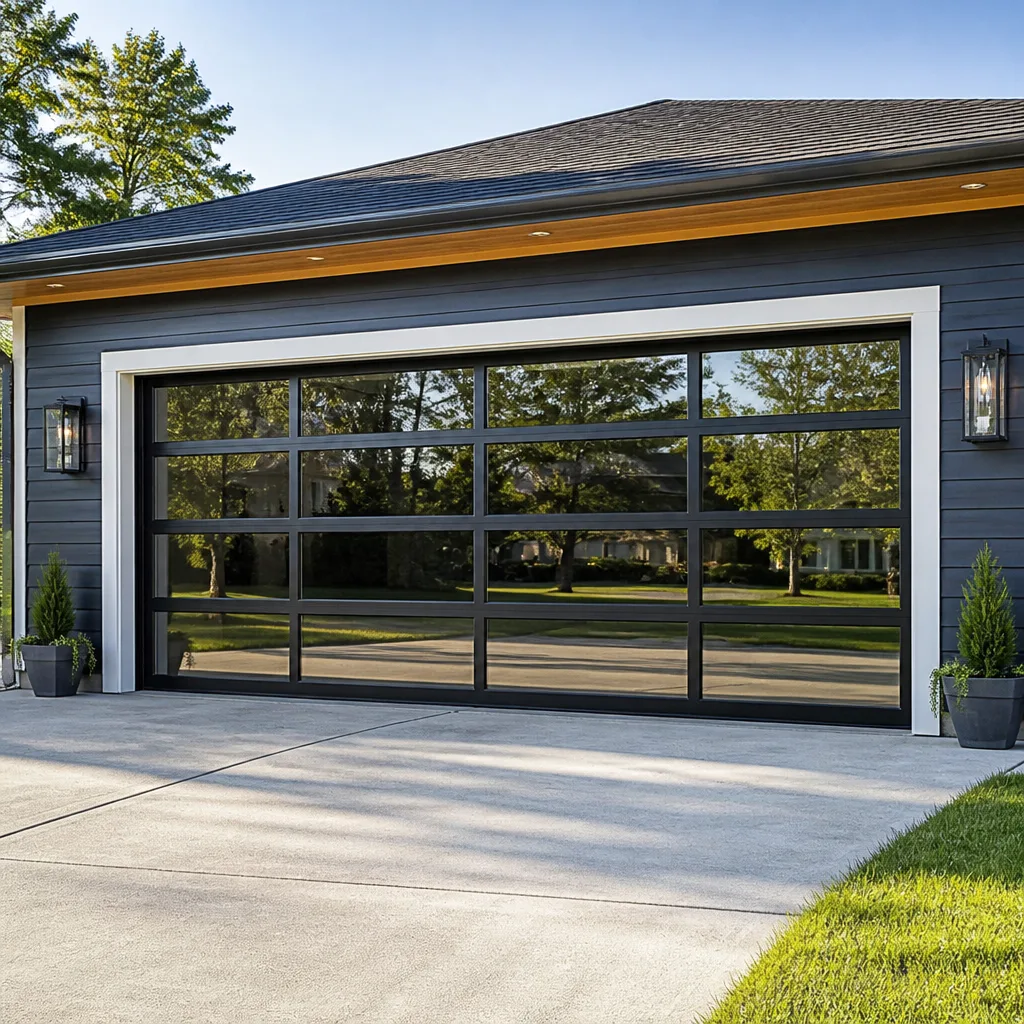 Full-view glass
 LiftMaster openers
 Chamberlain openers
Full 25-point door and opener safety check with every visit - springs, cables, rollers, tracks, and your LiftMaster or Chamberlain opener included
You get a price before we start. It does not change when the truck arrives.
Get your free estimateDIY vs Professional Garage Door: The Lakeland Homeowner’s Decision Guide
A garage door weighs somewhere between 130 and 400 pounds, yet the spring that counterbalances it stores enough tension to snap a bone or sever a tendon if it lets go. That’s not a scare tactic, it’s physics. And it’s precisely why the DIY calculation on a garage door is fundamentally different from swapping a faucet or patching drywall. This guide breaks down, task by task, what a Lakeland homeowner can safely tackle with a socket set and a Saturday, what deserves a long pause, and what should never be attempted without training and torque-calibrated tools. For a deeper dive into pricing, see our Garage Door Cost Breakdown: The Lakeland Homeowner’s Reference for 2026. You’ll learn the real cost of getting it wrong, how Florida code quietly eliminates some DIY options, and why a door you didn’t install is harder to diagnose than any YouTube video suggests.
Quick Answer
Most garage door maintenance is safe for a careful DIYer, but torsion spring replacement, cable work, and any track realignment under tension are professional-only jobs in Lakeland due to genuine injury risk. If your job doesn’t involve winding or unwinding a spring, releasing a cable, or moving a track under load, you can likely handle it with basic tools and patience. If it does, call a specialist at (833) 589-8630 before the door comes down on someone.
Styles & brands we work with
Table of Contents
- The Traffic Light System: Green, Yellow, and Red DIY Tasks
- Why Torsion Springs Are Categorically Different from Extension Springs
- Florida Code: When DIY Installation Becomes Legally Non-Compliant
- The Real Cost Comparison: Tools, Time, and the Price of a Do-Over
- Why Multi-Brand Diagnosis Requires Experience, Not Just a YouTube Tutorial
- What Lakeland’s Climate and Housing Stock Do to Garage Doors
- Common Mistakes to Avoid
- When to Call a Professional
- Frequently Asked Questions
The Traffic Light System: Green, Yellow, and Red DIY Tasks
We use a simple three-category framework when Lakeland homeowners ask us what they can do themselves. It strips away ego and gets to the only question that matters: what does this task require in terms of stored energy, precision, and consequence if it fails?
Green Light: Safe for a Capable DIYer
These tasks involve no stored tension, no structural disassembly, and no alignment precision. A mistake costs you a trip to the hardware store, not the emergency room.
- Lubricating rollers, hinges, and tracks with a silicone or lithium spray. Takes fifteen minutes. Do it twice a year in Lakeland’s humidity.
- Tightening loose bolts and brackets on the track supports and door hinges. Use a socket wrench, not an impact driver. You’re checking for play, not forcing anything.
- Replacing the weather seal at the bottom of the door. The old strip slides out of its channel, the new one slides in. It’ll cost you $25 at any hardware store near South Lakeland.
- Cleaning and aligning photo-eye sensors at the base of the door tracks. If the LED blinks, check wiring and lens cleanliness before assuming a component failure.
- Programming a replacement remote or keypad on LiftMaster, Chamberlain, or Genie openers. The owner’s manual has step-by-step instructions, and the process takes under ten minutes.
Yellow Light: DIY with Specific Precautions
These tasks are doable, but they require you to respect the equipment. Do not rush. Do not skip the safety step. If you can’t do the safety step, treat it as red.
- Replacing worn rollers on doors that use extension springs. The springs stay racked while you work, but you need to secure the door with locking pliers, unbolt only the bottom roller bracket, and work from a sturdy ladder. If your door uses torsion springs, this moves to red automatically because the bottom bracket is under constant load from the cable.
- Adjusting the opener’s force and travel limits. Most modern LiftMaster and Chamberlain units have adjustment dials or app controls. Test with a 2×4 flat on the ground under the door. If the door doesn’t reverse on contact, call a professional before using the door.
- Replacing hinges and struts that are visibly bent but not under spring tension. Keep all your fingers clear of the section joints while a section is flexing.
- Painting a steel door. Surface prep determines whether the paint bonds or peels within two Florida summers. Sand, prime, and use an exterior-grade acrylic. Tape off the weather seal and windows before you start.
Red Light: Professional Only, Non-Negotiable
No framing, no caveats, no “if you’re handy.” These tasks involve stored spring energy, cables under load, or door sections that can crush what’s under them.
- Torsion spring replacement or rewinding. One winding bar snap or one lost grip and that spring unwinds with enough force to shatter bones. This is the single most dangerous residential repair in any home.
- Cable replacement or re-seating. Cables hold the door’s tension. A frayed cable or one that has slipped off its drum means the spring is doing something it shouldn’t. You cannot safely release or reattach a cable on a door you haven’t de-tensioned.
- Track realignment or bolt replacement on the bottom track brackets. Tracks are under constant load when springs are wound. Unbolting a bracket releases that load into the door and anything in its path.
- Replacing any section on a door with torsion springs. Sections aren’t installed in order, they’re built from the bottom up under controlled spring tension.
- Opener motor replacement on a door where you can’t identify the drive type. Mis-matching a belt-drive carriage and a chain-drive sprocket creates a chain reaction of stripped gears and dropped doors.
- Extension spring replacement if both springs are not visibly relaxed. Some extension spring systems have a containment cable running through the spring. If that cable is frayed or missing, the spring is not safely de-tensioned just because the door is up.
If you remember nothing else from this guide, remember this sentence: if winding bars, cable drums, or bottom brackets are involved, you’re holding a loaded weapon, not a home repair project.
Why Torsion Springs Are Categorically Different from Extension Springs
A lot of DIY tutorials treat garage door springs as one category. That’s how people get hurt. The two systems store energy in completely different ways, and the DIY implications are night and day.
Extension springs run along the horizontal tracks on either side of the door. They stretch when the door closes and contract when it opens. On older Lakeland homes, you’ll see them on doors from the 1970s through the early 1990s. Most have a safety containment cable running through the middle as a secondary restraint, but not all of them do. When the door is fully open, extension springs are at their most relaxed. That’s why some careful DIYers can tackle roller replacement or even spring replacement on extension systems, provided they secure the door first and confirm both springs are slack.
Torsion springs are the ones mounted on a shaft directly above the door opening. They don’t stretch. They twist. When you wind a torsion spring, you’re loading thousands of pounds of rotational force onto a shaft held by two cast-aluminum cones. That force wants to let go. Always. The two metal bars you insert into the winding cone are the only thing preventing that stored energy from spinning the cone and breaking whatever is in its path. If one bar slips, the second bar becomes a projectile moving at up to 400 rpm. There is no “safe” way to handle a wound torsion spring as a homeowner. There is a reason every professional who works on them has deep respect for the cone, the set screws, and the order of operations.
The mechanical difference matters for one practical reason: on a torsion spring door, the cable, the bottom bracket, and the spring are one continuous tension system. You cannot isolate one component and work on it. That’s why the red list above treats torsion doors as an all-or-nothing proposition. If you have a torsion door, the only safe DIY work is the green list, period.
In our experience across Lakeland, the homeowner who gets hurt is usually the one who has done a successful extension spring repair on an old door on a rental property, then assumes the same process works on the torsion door at their current house. It doesn’t. Different mechanism, different physics, different outcome.
Florida Code: When DIY Installation Becomes Legally Non-Compliant
Lakeland sits in Polk County, which enforces the current Florida Building Code. That code has specific provisions for garage doors, and those provisions are not optional just because you’re working on your own house. Here’s what a Lakeland homeowner needs to know before attempting any installation or structural change, including Garage Door Permits, Codes & Inspections in FL: What You Need to Know.
Wind-Load Requirements Are Mandatory in Florida
Florida requires garage doors in high-velocity hurricane zones and wind-borne debris regions to meet specific design pressure ratings. Polk County, while not on the coast, still enforces code-mandated wind loads for garage doors in many of its communities. A door purchased from a big-box store without a Florida Product Approval or Miami-Dade NOA (Notice of Acceptance) stamp may not meet the wind-load standard for your specific address. Installing it anyway creates a non-compliant structure that can fail at the worst moment and can derail a home sale when the inspection flags it.
Replacing a Door Usually Requires a Permit
Most Lakeland municipalities require a permit for garage door replacement, not repair. The threshold is typically whether the door is being removed from its opening or modified structurally. Replacing rollers, springs, cables, or the opener is repair and doesn’t need a permit. Replacing the door itself, changing the opening dimensions, or installing a door where structural framing changes are involved requires a permit and an inspection. A licensed contractor pulls that permit and schedules the inspection. A homeowner doing the work without a permit runs the risk of code enforcement, insurance claim denial, and a buyer who walks away at the last minute.
What This Means for DIYers
- Repairs are generally fair game. Springs, cables, rollers, openers, sensors, seals. You can legally do those yourself in most cases, though springs and cables should still be professionally handled for safety, not legal, reasons.
- Full door replacement is where the legal exposure starts. If you’re removing a door and installing a new one, you need to know whether your specific address under Polk County’s current code requires wind-load-rated equipment and whether your municipality wants a permit. Guessing is not a plan.
- Improper installation voids manufacturer warranties. Every major brand, including Clopay, Amarr, and Wayne Dalton, writes its warranty with language requiring installation by a qualified professional. A DIY install that leads to a panel defect or spring failure means you’re buying the replacement parts out of pocket.
- A failed DIY install that damages property or injures someone becomes a homeowner’s insurance question. Your policy likely covers sudden and accidental damage, but a non-permitted structural change can become a coverage dispute. In Florida’s insurance market, that’s a conversation you don’t want to have.
The takeaway: on a new door installation in Lakeland, the DIY savings disappear quickly when you factor in code compliance, wind-load requirements, warranty language, and the cost of a professional redo. Our Garage Door Installation in Dade City and surrounding Polk County communities handles the permit and wind-load verification as part of the job, so you never have to ask the building department what you missed.
The Real Cost Comparison: Tools, Time, and the Price of a Do-Over
The DIY pitch is always “save money.” But the math only works if you already own the tools, already know the procedure, and don’t make a mistake that requires a professional anyway. Let’s run the numbers on the most common Lakeland repair scenarios.
Scenario 1: Torsion Spring Replacement
- DIY parts cost: $80 to $140 for a pair of springs from an online supplier. You’ll also need two winding bars ($35 to $60), a set of vise grips you probably own, and a heavy-duty socket set. Total outlay: roughly $120 to $200.
- DIY risk-adjusted cost: If you wind the springs incorrectly and the door drops or the springs bind, you’ll need a full spring replacement again plus possible cable and drum damage. Emergency room visits for torsion spring injuries average four-figure bills even with insurance. The risk-adjusted DIY cost is the least useful number on this list because it can’t capture a shredded forearm.
- Professional cost in Lakeland: $180 to $340 for a standard two-spring torsion replacement, including parts, labor, and the safety of a trained technician with the right tools. Done same day, in about an hour.
Verdict: For a difference of $60 to $140, you’re not buying a service. You’re buying the years of training that prevent the spring from winning. The only rational choice is professional.
Scenario 2: Opener Replacement
- DIY parts cost: $180 to $280 for a quality Chamberlain, LiftMaster, or Genie belt-drive opener. You’ll need a stepladder, a stud finder, and an afternoon. If your old opener’s mounting bracket doesn’t match the new one’s footprint, add $25 for an adapter plate.
- DIY time cost: Four to six hours for a first-timer, assuming nothing surprises you. The tutorials don’t show what happens when the rail is a half-inch too long for the garage’s depth or the existing wiring is 20 years old and the insulation is crumbling.
- Professional cost in Lakeland: $380 to $550 installed for a belt-drive unit from one of the big three opener brands, including removal of the old unit, reprogramming remotes, and testing the safety reverse. Most pros finish in under two hours.
Verdict: This is a closer call. A homeowner comfortable with electrical work and reading a manual can install an opener. But the potential failure points (door balance, force settings, reverse sensor calibration) are exactly the things a pro checks before leaving. Our Garage Door Opener Repair in Dade City and Lakeland often arrives after a DIY opener install where the door reverses when it shouldn’t or won’t reverse when it must.
Scenario 3: Full Door Replacement
- DIY parts cost: $600 to $1,100 for a basic steel door from a big-box store, plus $200 to $400 for disposal of the old door if you can’t haul it yourself.
- DIY hidden costs: The new door’s track system, spring rating, and wind-load compliance are not guaranteed to match your opening. If the spring is rated for a heavier door, the opener struggles. If it’s under-rated, the door drops. Modifying the opening to fit means a permit, an inspection, and probably a drywall patch.
- Professional cost in Lakeland: $1,100 to $2,400 for a mid-range installed steel door with a new track system, springs, opener compatibility check, and warranty. Less if you’re replacing a basic door with a basic door, more if you’re upgrading to an insulated or carriage-style design.
Verdict: The DIY savings on a door replacement are real on paper, often $500 to $800. But the odds of a first-timer installing a door that’s square, balanced, sealed, and code-compliant are low. And a door that’s off by a quarter inch at the header becomes a problem that gets worse every time it opens. When we replace a DIY door job in Lakeland, the homeowner has usually spent the professional price twice, once on materials and once on the fix.
Why Multi-Brand Diagnosis Requires Experience, Not Just a YouTube Tutorial
Every garage door tutorial assumes the door and opener in the video is the one in your garage. It rarely is. Across the homes in Lakeland built from the 1980s through the 2020s, you’ll find Clopay and Amarr doors, Wayne Dalton’s proprietary TorqueMaster spring system, Raynor and Chamberlain openers, and Genie screw-drives from decades past. Each brand uses slightly different hardware, and some share nothing with each other at all.
A common DIY dead-end: the homeowner watches a torsion spring tutorial for a standard. Then they walk into their garage and find a Wayne Dalton TorqueMaster spring, which hides the spring inside a tube and requires no winding bars at all. Or they find an extension spring system with no safety cables and assume it’s fine because the tutorial didn’t mention cables. These mismatches are exactly where injuries come from.
At Stonebridge Garage Door Repair home, technicians work across eight of the most-installed brands: LiftMaster, Chamberlain, Genie, Clopay, Amarr, Wayne Dalton, Craftsman, and Raynor. That breadth matters less for marketing and more for one practical reason: when we arrive at a door, we already know the spring system, track type, and opener drive before we open the toolbox. Diagnosing a door from 2002 with a Wayne Dalton spring and a mismatched Chamberlain opener installed in 2015 requires pattern recognition you only build by seeing a few thousand doors. A tutorial can’t teach that.
The same applies to openers. A Chamberlain belt-drive and a LiftMaster belt-drive are cousins, but their rail geometries and logic boards differ enough that a part swap sometimes works and sometimes binds. A Genie screw-drive is a completely different animal. When a Lakeland homeowner replaces an opener’s drive gear based on a video for a different model, the result is usually a stripped new gear and a wasted weekend.
We diagnose first, recommend second. That means the first question is never “what should we sell you,” it’s “what system is already on your garage and what exactly is it doing.” That’s how a specialist avoids the most expensive mistake in this trade: replacing the wrong part and calling it a repair.
What Lakeland’s Climate and Housing Stock Do to Garage Doors
Garage doors in Lakeland don’t age the same way as garage doors in Orlando or Tampa. Our humidity, our afternoon thunderstorms, and our housing mix create a distinct set of wear patterns.
Humidity and rust. Lakeland averages over 70% humidity most mornings, year-round. Rollers, hinges, and spring cones rust here faster than in inland dry climates. A galvanized roller lasts five to seven years in Lakeland’s climate before the bearings start grinding. Homeowners who lube with WD-40 instead of a proper silicone or lithium grease accelerate the problem because WD-40 dissolves the remaining lubricant and leaves bare metal. We see it constantly in the older neighborhoods around Lake Hollingsworth and in the sprawling subdivisions south of Lake Miriam.
Thermal cycling and torsion springs. Torsion springs have a rated cycle life,typically 10,000 cycles for a standard spring and 20,000 or more for a high-cycle spring. In a cooler climate, a garage door might cycle twice a day: once out, once in. In Lakeland, where garages double as workshops and storage, we see doors cycling four or six times a day. That means a 10,000-cycle spring that would last a decade in Ohio gives out in five years here. Homeowners are routinely surprised when a spring from 2019 gives up in 2025. It’s not a defect, it’s the math.
Storm-driven debris and door balance. During summer thunderstorm season, wind gusts push against the full face of the door. A properly balanced door stays in place. An unbalanced door shudders, and that vibration loosens track bolts, hanger brackets, and the hinges at the section joints over time. A door that’s a little out of balance in March becomes a door that slips off the track in August. That’s why we recommend a seasonal balance check, especially after peak summer storm activity.
Housing age and brand variety. Lakeland’s housing stock runs from 1920s bungalows near downtown to 2020s builds in the growing areas along I-4 and Polk Parkway. Older homes often have extension spring systems and wooden doors. Newer homes have torsion systems and steel or aluminum doors with openers already integrated into smart-home apps. No single repair manual covers both ends of that spectrum. That’s why a multi-brand specialist, not a general handyman, is the right call for a city with this much architectural variety.
For homeowners in the Dade City corridor or anyone whose garage door problems span repair and opener issues, our Garage Door Repair in Dade City page covers what a typical service call includes and what upfront pricing looks like.
Common Mistakes to Avoid
- Using WD-40 on rollers and hinges. It’s a solvent, not a lubricant. It cleans and then leaves the metal dry. Two weeks later the squeak is back, and this time the bearing has been degreased. Use white lithium grease on metal parts and silicone spray on nylon.
- Replacing one torsion spring instead of both. Torsion springs wear in pairs. If one breaks, the other has the same cycle count and is weeks or months behind. Replacing just one leaves you with an unbalanced door that strains the opener and wears the new spring prematurely.
- Adjusting the opener’s force settings to “push through” a sticking door. If the door doesn’t travel smoothly by hand, the opener is working harder than designed. Cranking up the force setting masks the problem and creates a door that will eventually damage the gear, the rail, or the opener motor. Fix the balance first, then set the force.
- Painting over rust without treating it. Rust under fresh paint continues to spread. You need a rust converter or a mechanical sanding to bare metal, then a primer. Otherwise the paint job fails within a year in Polk County humidity.
- Assuming a blinking opener light means “the motor is dead.” Most blinking lights on LiftMaster and Chamberlain openers are safety sensor warnings, not motor failures. The sensors are dirty, misaligned, or blocked. Check those first before buying a new opener.
- Bypassing the safety reverse because it “keeps reversing for no reason.” If the door reverses when nothing is in the path, the sensors are misaligned or the force setting is wrong. Bypassing the safety sensor to make the door close creates a child- and pet-dangerous door that violates federal safety requirements under UL 325.
- Hanging storage from the garage door tracks. The tracks are load-bearing for the door, not the place for a bike hook or extension cord. Bent tracks from stored items are one of the most avoidable repair calls we see in Lakeland garages that double as storage units.
When to Call a Professional
Call before you touch anything if the door is making a sound you haven’t heard before and the sound is metal-on-metal. A broken spring announces itself with a bang, but a fraying cable makes a quieter grinding sound that means the door is running on borrowed tension. Call if the door is visibly crooked in the opening, if it opens a few inches and stalls, or if the opener runs but the door doesn’t move at all. These are signs the door is binding against a bent track, a failing spring, or a stripped gear, and the next movement could be the one that drops the door.
Call if you’ve already attempted a repair and the door now works worse than it did. We’re not going to lecture you. We’re going to fix it, and we’d rather do that before a door that half-works becomes a door that doesn’t work at all. Stonebridge Garage Door Repair offers free estimates in Lakeland, call (833) 589-8630. If you need a repair and an opener replacement at the same time, you’ll get a price for both before any work starts.
Frequently Asked Questions
Expect to pay $180 to $340 for a two-spring torsion replacement in Lakeland, including parts and labor. A single extension spring replacement runs $120 to $200. The price is quoted and agreed to before any work begins, so there are no surprises on the invoice. Call (833) 589-8630 for an exact quote based on your door’s weight and spring type.
Extension springs can sometimes be safely replaced by a careful DIYer if the safety cables are intact and both springs are fully relaxed with the door secured open. Torsion springs should never be replaced by a homeowner. The winding process involves stored rotational force that can break a wrist, dislocate a shoulder, or launch a winding bar through a window if the bar slips.
Most Lakeland-area municipalities require a permit for full door replacement, and Florida code requires the replacement door to meet wind-load standards for your home’s location. Repairs like springs, cables, rollers, and openers generally do not require permits. A professional installer verifies wind-load compliance and pulls the required permit so the job is legal and insurable.
No. The price is quoted and agreed to before any work starts. If our technician finds additional damage during the diagnostic, you’ll get a revised quote and the chance to approve it before any additional work is done. There is no surprise line item on the invoice.
Technicians carry the most common torsion and extension springs, cables, rollers, hinges, and opener parts for LiftMaster, Chamberlain, Genie, and other major brands. The majority of Lakeland repair calls are completed in a single visit. If a specific brand component isn’t on the truck, it’s sourced same day in most cases.
A well-maintained steel door lasts 20 to 30 years in Lakeland, but springs, rollers, and cables are wear items with shorter lives. Standard torsion springs last 5 to 8 years in this climate because of heavy daily cycling. Rollers typically need replacement every 5 to 7 years. The door panel itself is the long-term investment; the moving parts are maintenance items.
The Bottom Line
The DIY vs. professional decision isn’t about how handy you are. It’s about what a task demands in terms of stored energy, precision, and legal compliance. Lubricating, tightening, sensor cleaning, and remote programming are all green-light jobs. Roller replacement on extension spring doors sits in the cautious middle. Everything involving torsion springs, cables, bottom brackets, or full door replacement belongs in the hands of a specialist, not because a branding expert said so, but because the physics don’t care how confident you are. In Lakeland, where humidity speeds rust and the code demands wind-rated installations, the calculation tilts even further toward professional work for the red-list items. For more guides & resources, explore our blog. Eight brands. One call. When the job is beyond the green list, call (833) 589-8630 for a free estimate.
Written by the team at Stonebridge Garage Door Repair, serving Lakeland since 2015.
See the difference
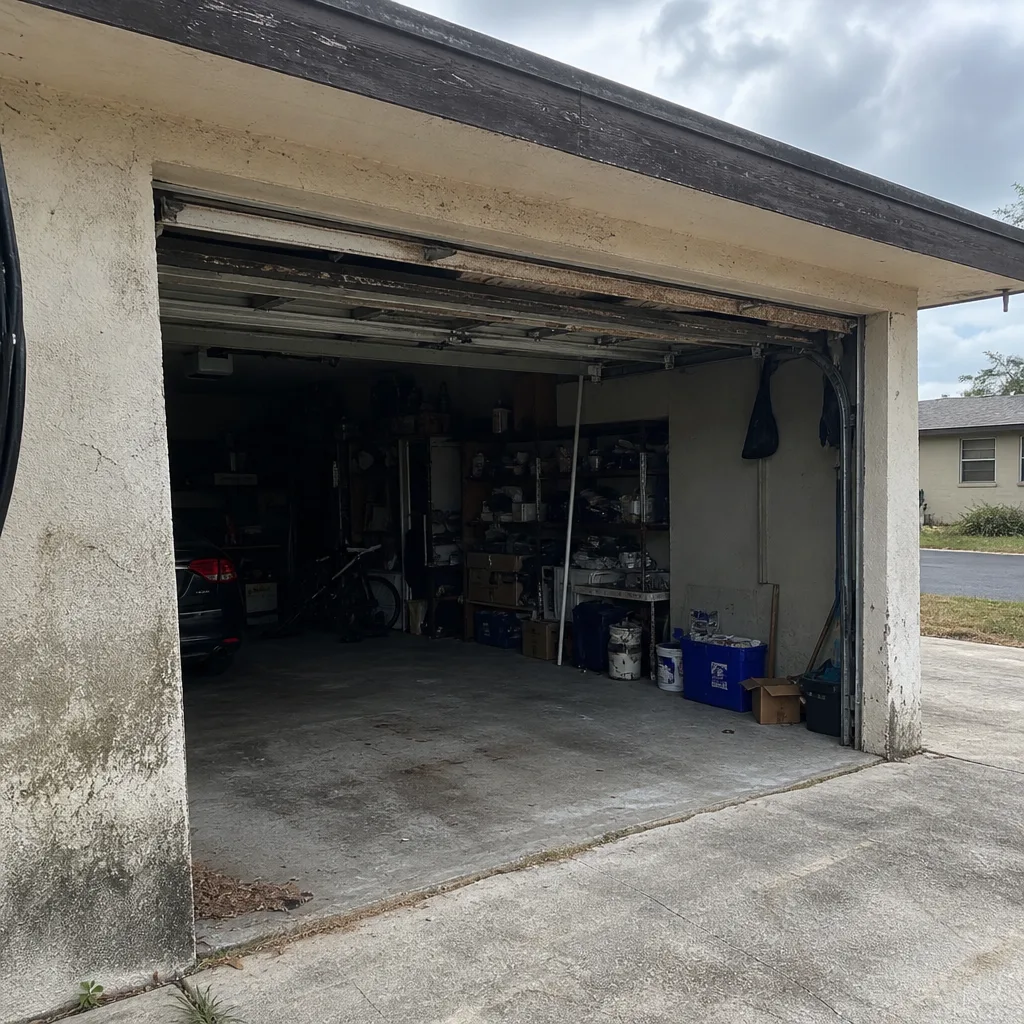 Before
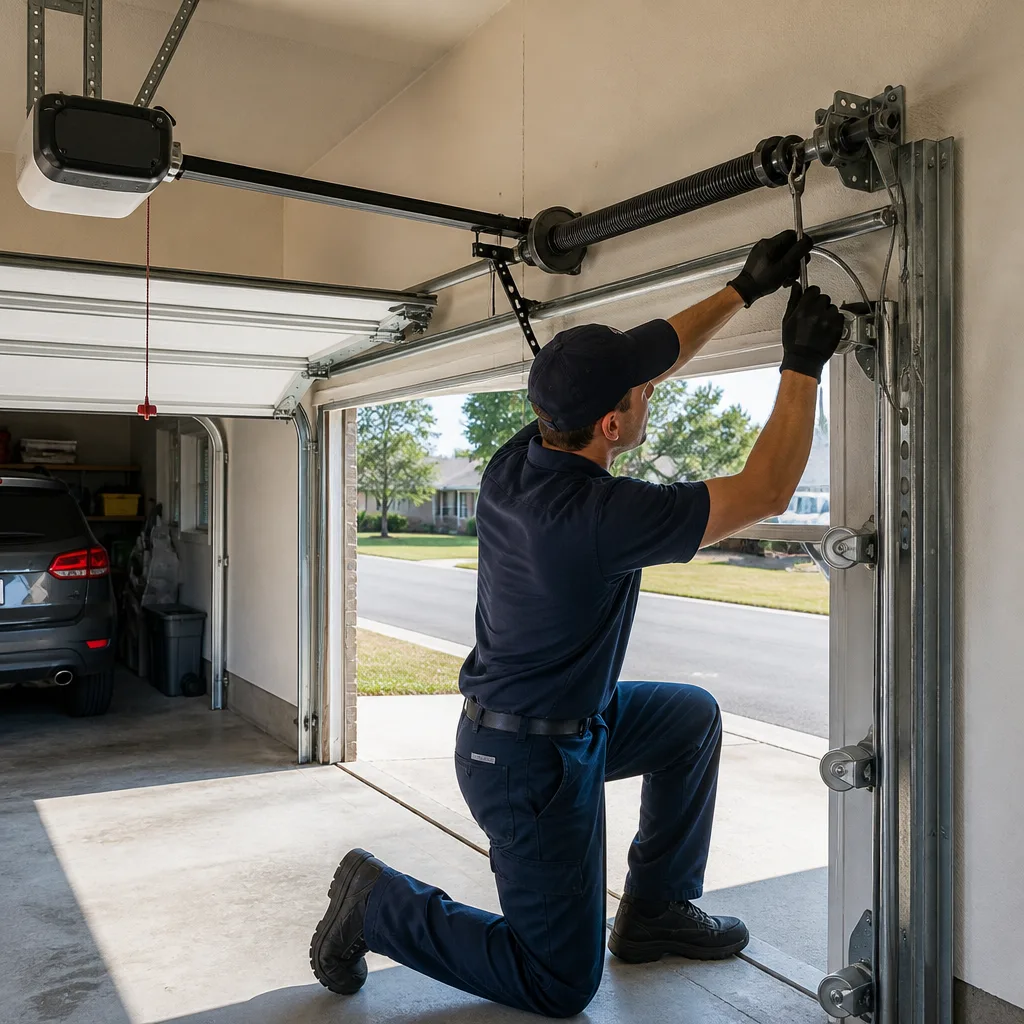 After
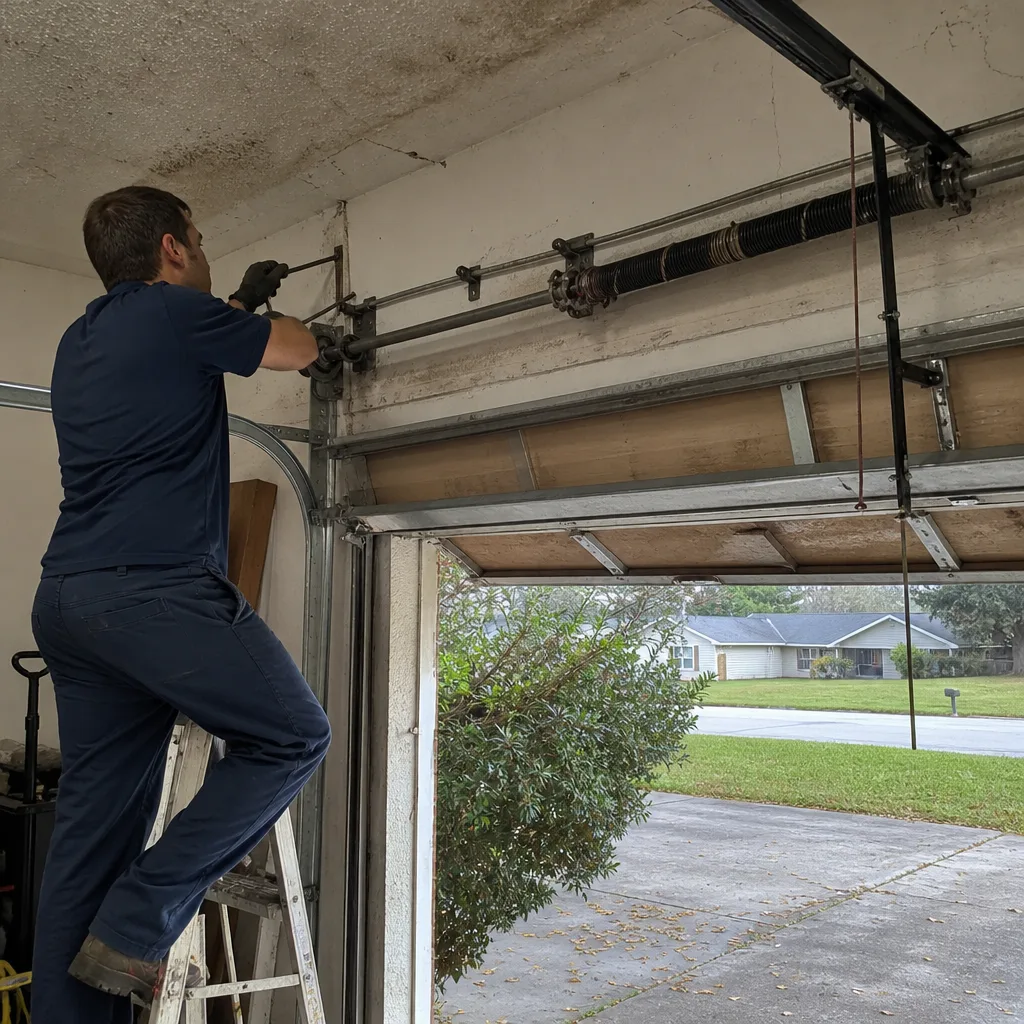 Before
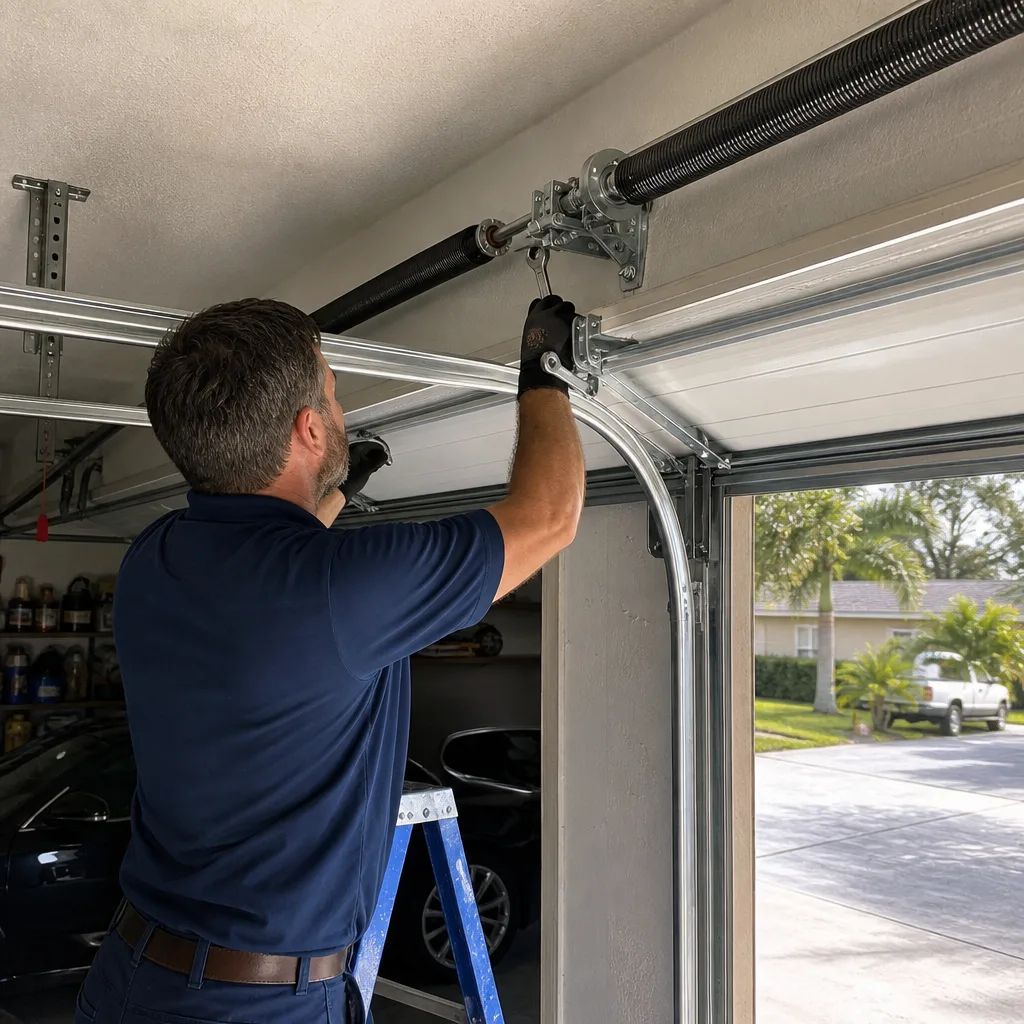 After
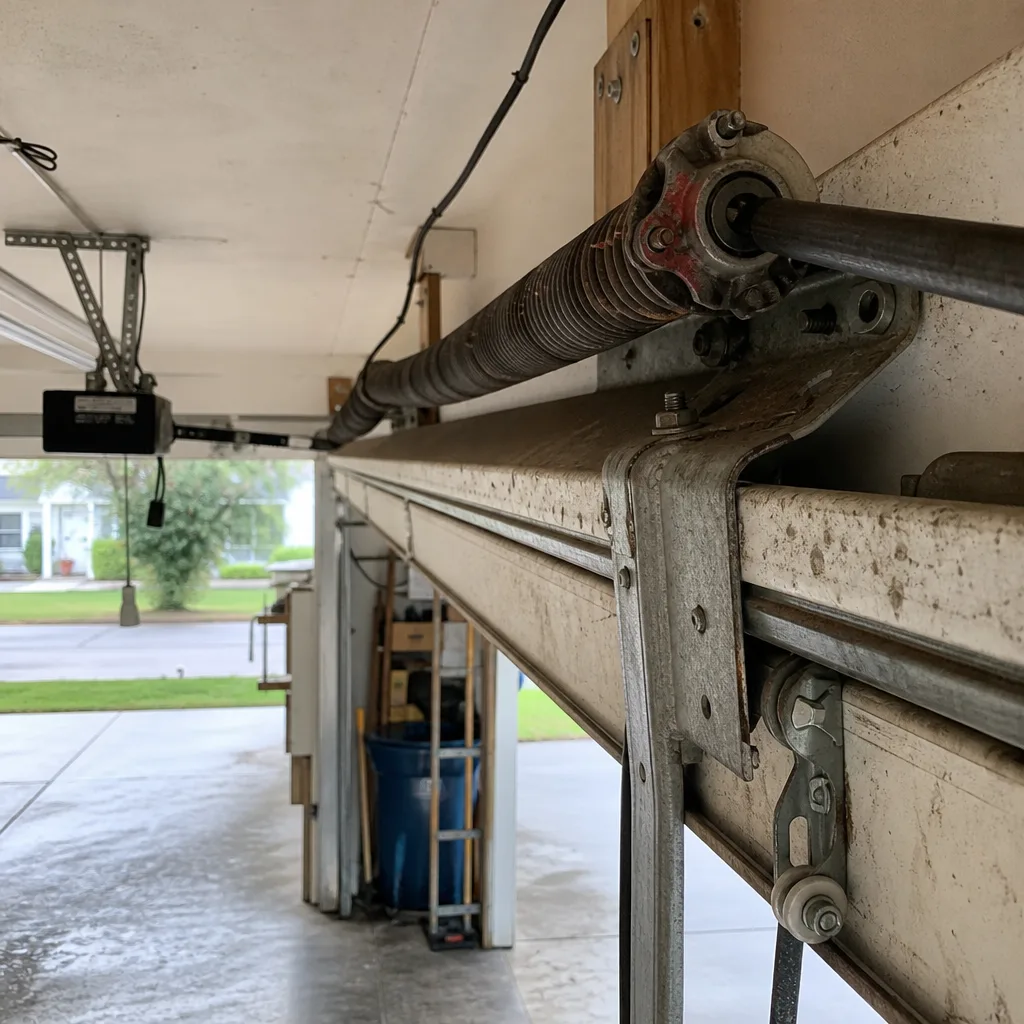 Before
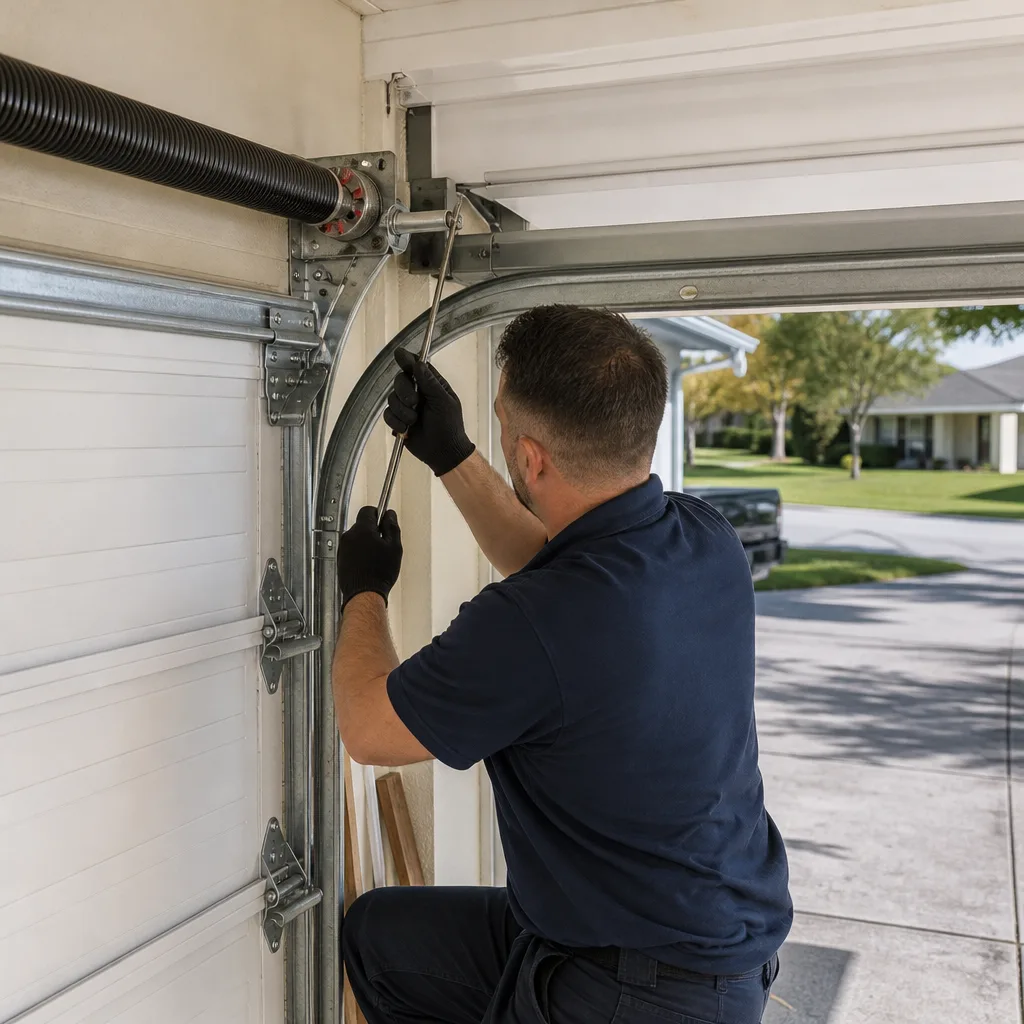 After